
If you are like most people, you probably love jalapeño peppers. They have a tangy yet delightful flavor that is perfect for adding to a variety of dishes. However, sometimes these peppers can turn black instead of their usual green or red color. This can be quite unpleasant, especially if you don’t know what to do about it. In this article, we will tell you why jalapeño peppers turn black and what to do in such a case.
What are jalapeño peppers?
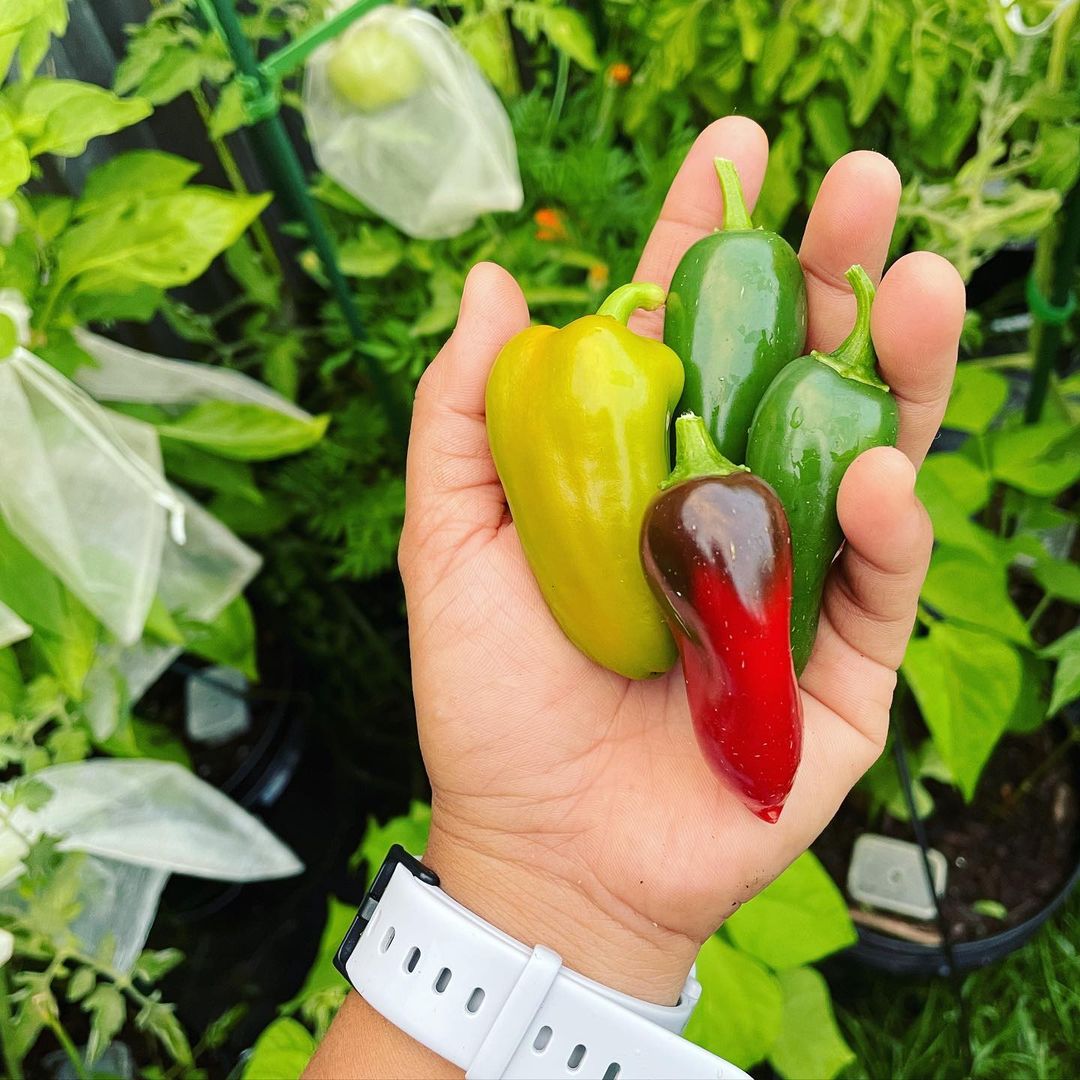
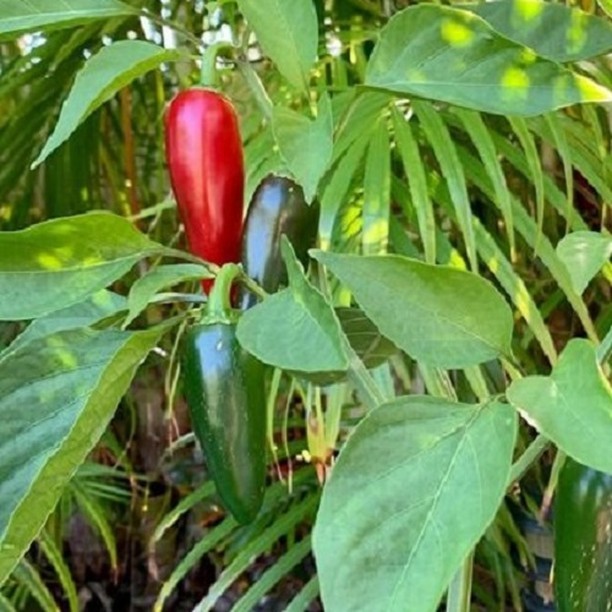
Jalapeño peppers are a variety of chili peppers commonly used in Mexican and Texas cuisine. These peppers can range in size from two to six inches in length, and their heat on the Scoville scale ranges from 2,500 to 8,000 units. Jalapeño peppers are usually green, but can also be red or black.
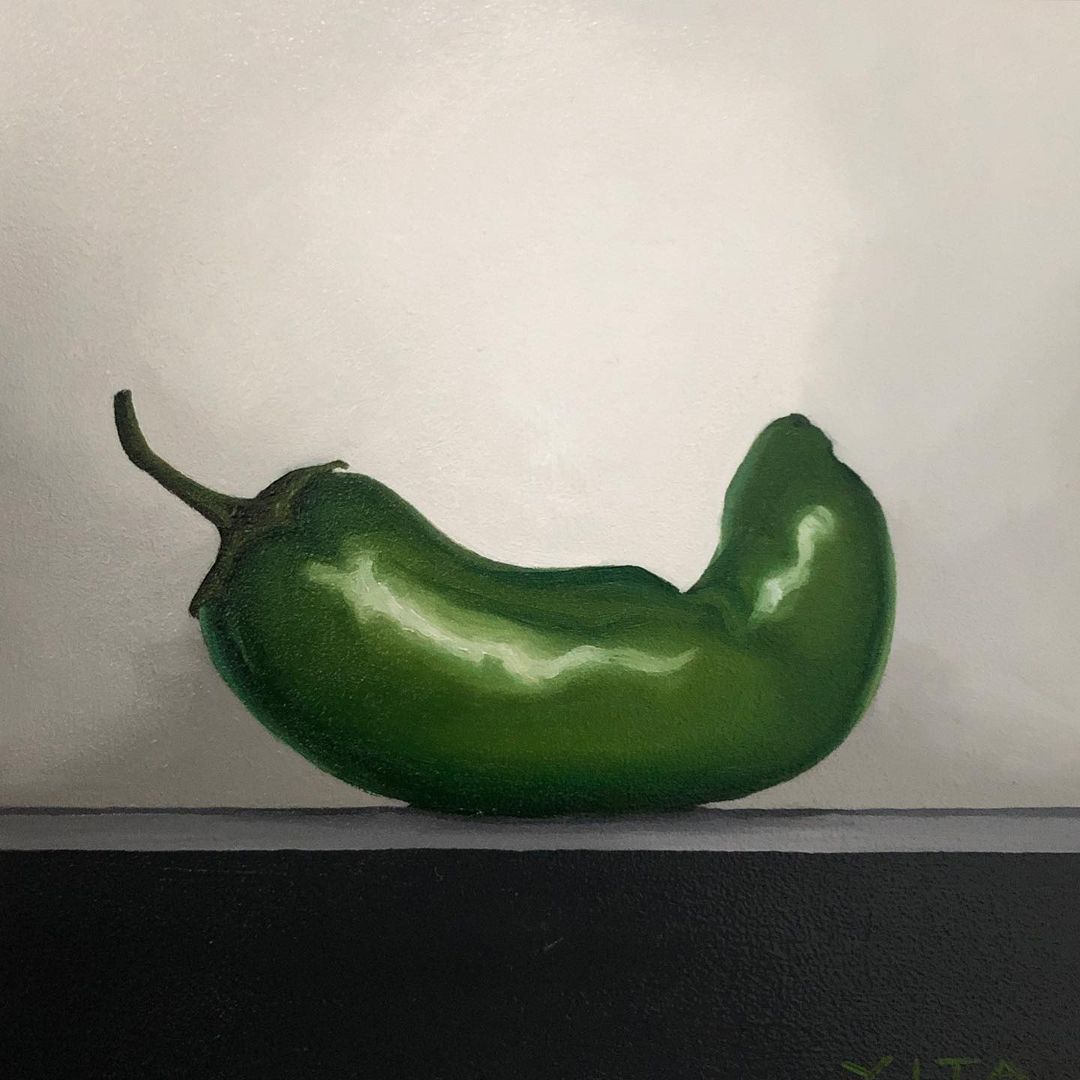
The level of spiciness in peppers will depend on how they are grown, the pH of the soil, and the amount of sunlight. Jalapeño peppers belong to the nightshade family, just like potatoes, tomatoes, and eggplants. Peppers can be eaten raw by initially cutting them into small cubes. They are also used in salads, soups, pizzas, sauces and ketchups. The oil of jalapeño peppers can seriously burn the mucous membrane of the eye, so do not touch your eyes while handling the pepper. If the oil gets on your hands, it can also cause local irritation.
Common reasons why jalapeño peppers are blacker
Growing jalapenos is easy enough, and also beneficial if you like spicy food. But problems can arise during the growing process that can lead to blackening of the pepper, and as a consequence, its complete wilting and spoiling. To exclude such problems, it is necessary and important to know what causes jalapeño peppers to turn black and how to deal with it.
Sunshine
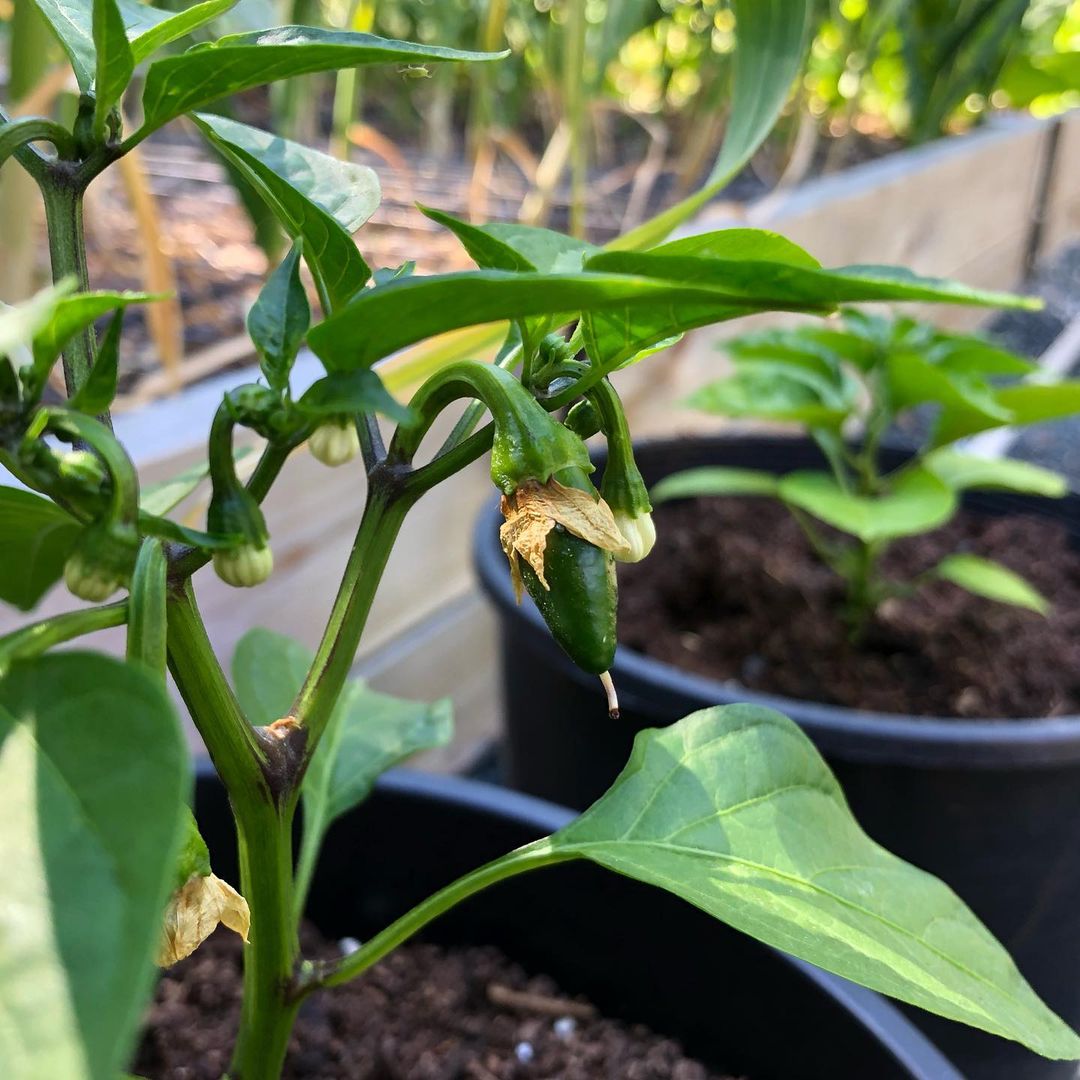
Sunlight is especially important for ripening peppers. But sometimes its abundance results in black spots on the delicate peel of peppers. This is not an indication of pepper rot, but only a burn. You can pick one if it is already half-ripe and taste it. If the taste is optimal, without various impurities, then you can safely go about your business, and leave the rest of the peppers to ripen.
But at the same time, it is important to monitor the remaining peppers on the bush to control the blackness. If it spreads, it is not the sun.
Black rot of jalapeño peppers
Black rot of jalapeño peppers is a serious problem in the pepper industry. The disease is caused by the fungus Phytophthora capsici, which can affect both fruits and leaves of the plant. Infected fruits turn black and rot, and brown spots appear on infected leaves. The disease is most common in humid or damp conditions, such as greenhouses. Black rot can also occur if peppers are not watered properly. It is very important not to water peppers while they are growing, and to consider the rainy season to determine the optimal level of water to give peppers.
If you notice signs of black rot on your peppers, it is important to pluck the rotten fruit, cut off all the damaged leaves, or else the disease will quickly spread to healthy fruits.
Blossom End Rot

Blossom end rot is a common problem in tomatoes, but it can also affect other vegetables such as peppers, eggplants, and zucchini. The disease is caused by a lack of calcium in the fruit. Symptoms include black or brown spots on the underside of the fruit. Flower rot is most common in hot and dry weather. Excessive watering and too much humidity can also cause the disease.
Peppers are initially covered with a thin layer of mold, and then begin to turn black at the bottom, gradually rising higher and higher until the entire fruit is covered. If you notice such a fruit on your shrub, it should be cut off and thrown away immediately.
This disease can be prevented by proper irrigation control, as well as making sure the soil has the optimum calcium content. This can be done by testing the soil or by adding limestone from time to time. It is also important to protect seedlings from bad weather.
Anthracnose infection
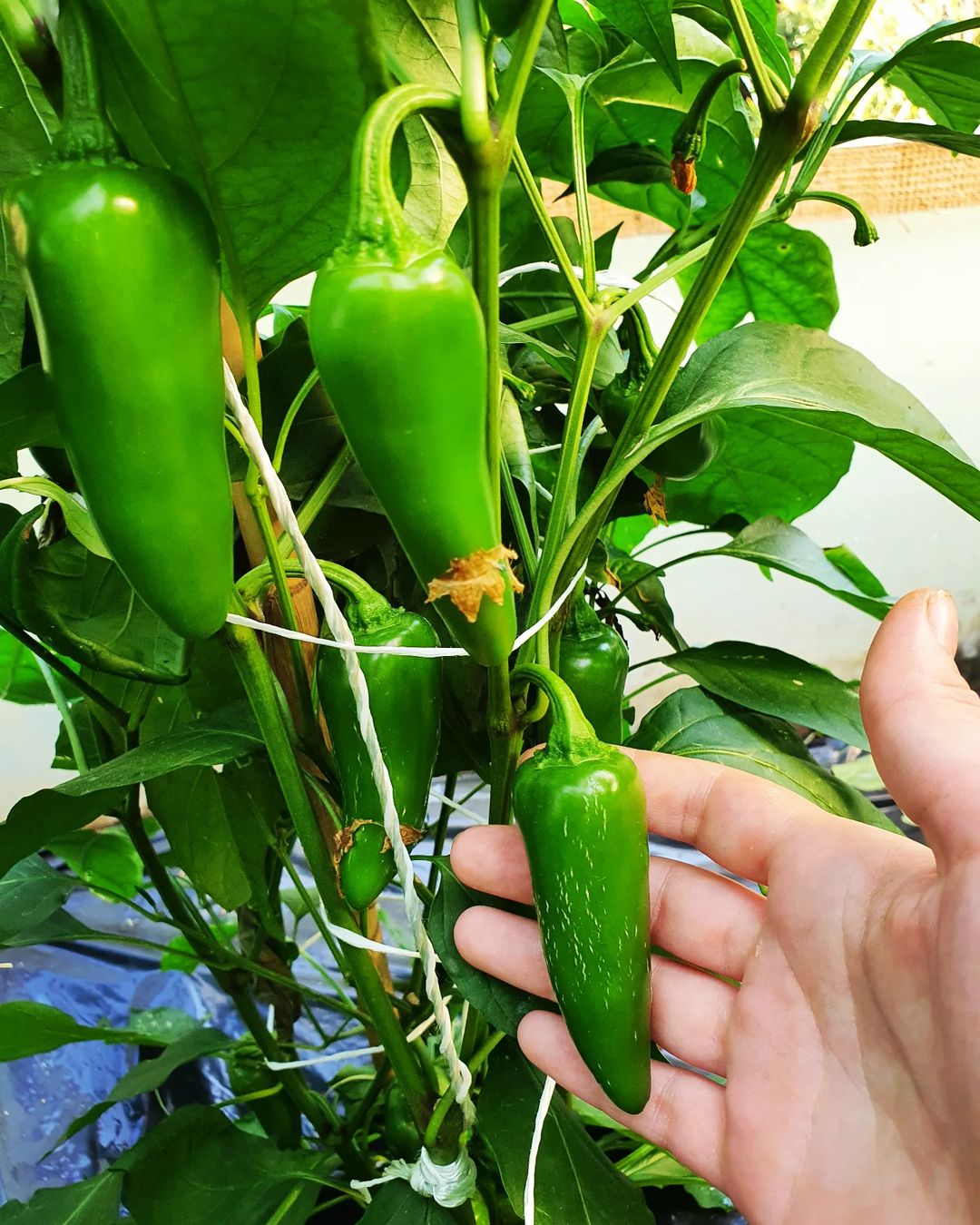
Anthracnose is a type of fungal infection that can affect many types of fruits and vegetables, including peppers. The disease is characterized by the appearance of small black spots on the fruit. These spots eventually turn into sunken lesions. The fungus also affects the leaves of plants, causing them to turn yellow and then brown. Anthracnose appears on the sides of peppers, which distinguishes it from other possible causes of blackening.
To prevent this infection, it is important to buy only healthy seeds from proven places. It is the health of the seeds that will determine your future harvest. Also, peppers should not be planted in soil in which plants of the nightshade family have previously matured and had such an infection.
Mosaic virus
Mosaic virus is one of the most common viral infections of peppers. The disease is characterized by the appearance of small black spots on the leaves. These spots eventually turn into larger lesions. The virus can also affect the fruit of the plant, causing it to turn black. Mosaic virus is spread by aphids, which are tiny insects. It stunts fruit growth and causes the leaves to curl.
It is important to remove damaged leaves and fruits immediately because there is no cure for this virus. The only way to deal with it is to divert the attention of disease-carrying insects away from your plant. You can stick aluminum foil in the mulch next to the peppers. With this measure, the insects won’t be able to get to your plant.
Phytophthora virus

This fungus is very similar to the mosaic virus, but is caused by a different kind of fungus. The disease is characterized by the appearance of small black circular circles around peppers as well as on plant stems. In this case, the stem of the pepper begins to rot from the inside, so it cannot deliver useful substances to the pepper fruit itself, which makes the disease spread even faster.
If the infestation is severe, it is important to remove and burn all diseased leaves and fruits. If the fruit is not severely affected, it can be treated with a 1% calcium chloride solution. The stalk should also be treated.
