Do you want to add a touch of unique style to your home décor? Then you need to get your hands on a Pinstripe Prayer Plant! This cool plant is not only easy to care for, but it will also wow your friends and family with its unique markings. In this blog post, we will tell you everything you need to know about the Pinstripe Prayer Plant, including how to care for it and where you can find it. So what are you waiting for? Get started today!
What is the Pinstripe Prayer Plant?
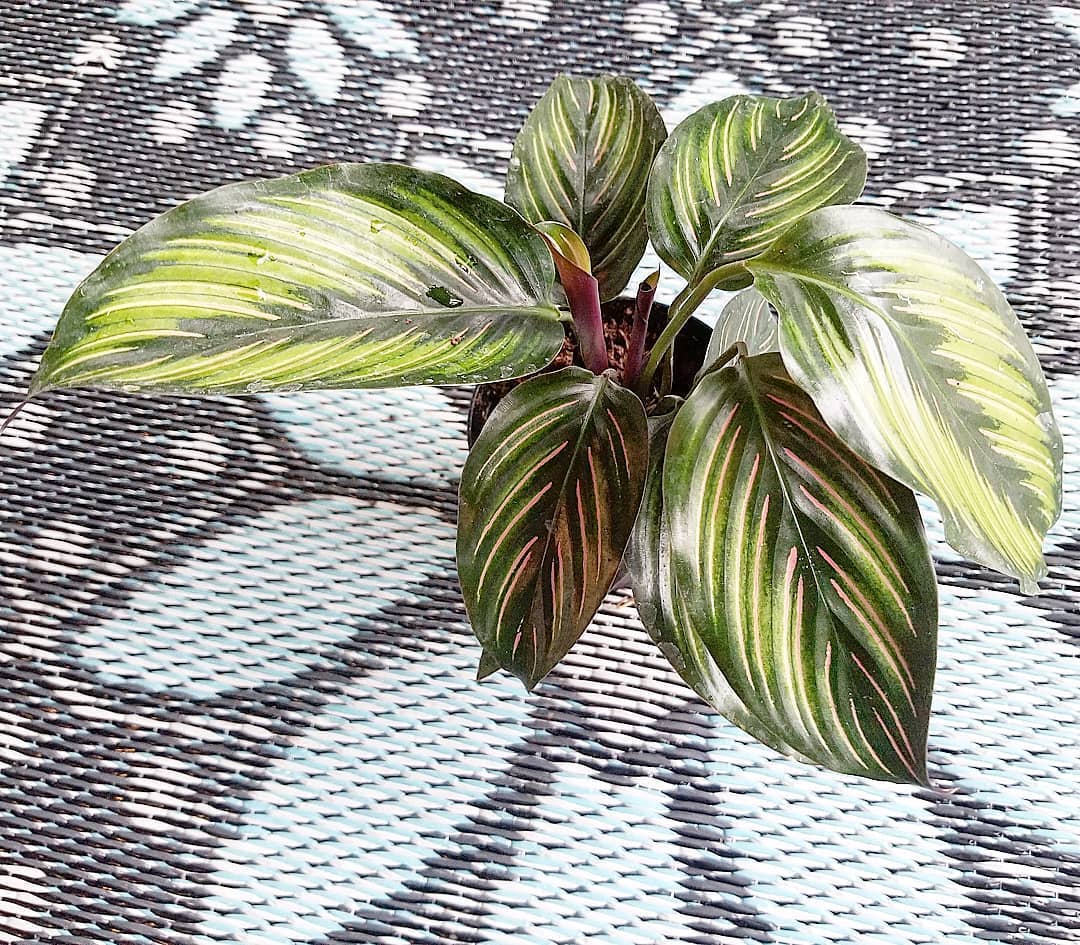
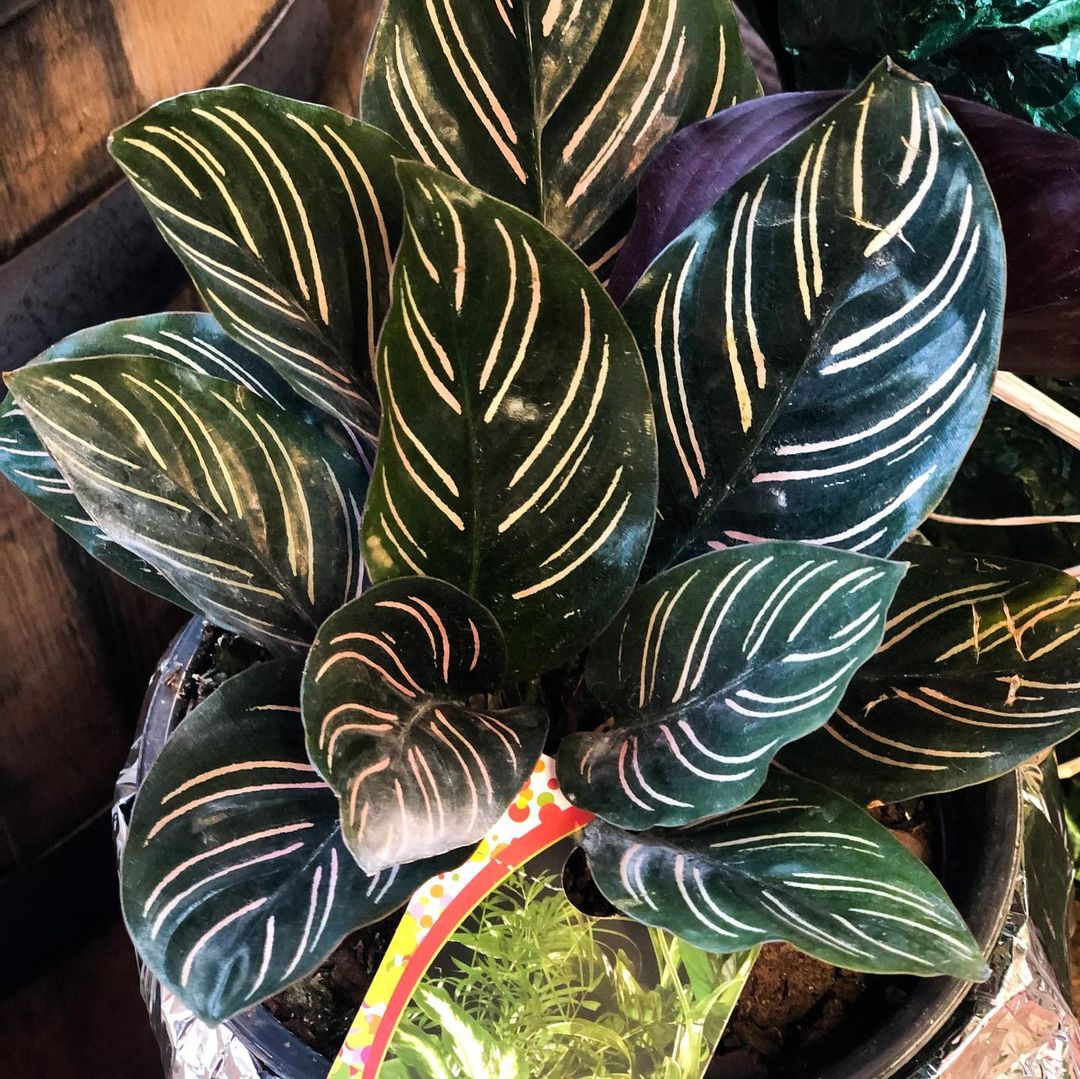
Prayerberry (Maranta leuconeura var. kerchoveana) is a beautiful and unique houseplant. The plant gets its name from the pinhead-like markings on the leaves, which are light green in color with dark green or brown stripes running down the center. This is the original distinction of the plant from others, which is what attracts a lot of fans of houseplants.

Pinstripe Prayer Plant belongs to the Calathea plant species, so caring for such a plant will be similar to caring for the classic plant of the species. In the wild, the plant grows in Africa, the West Indies, Thailand, Central and South America and Brazil.
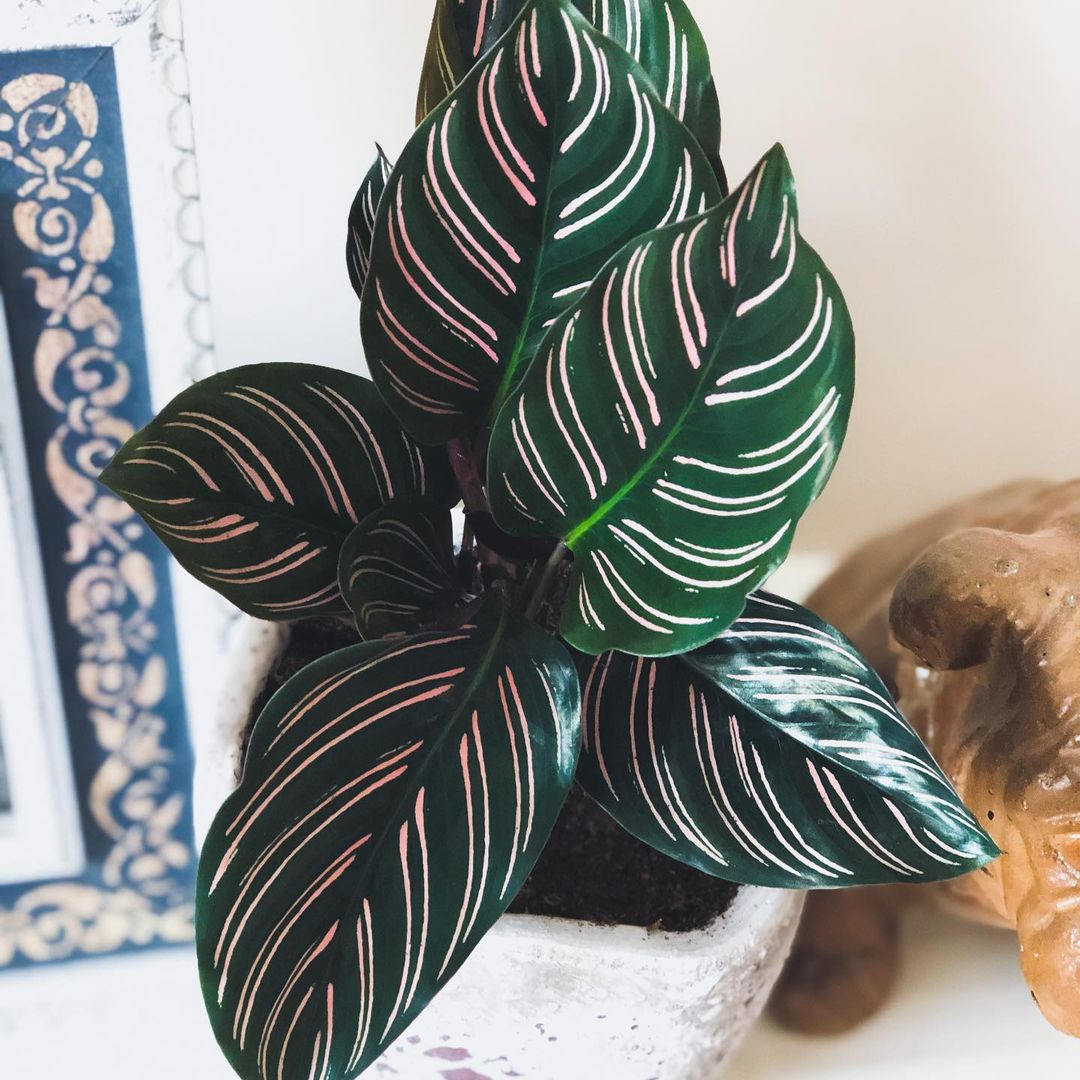
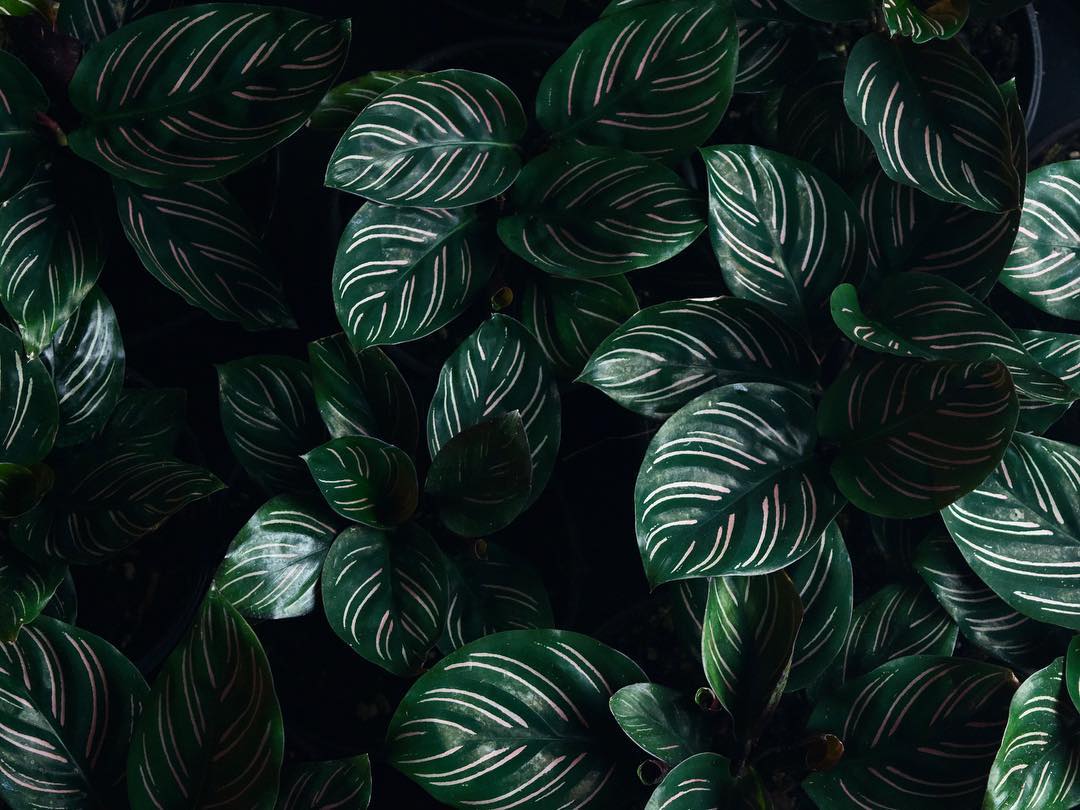
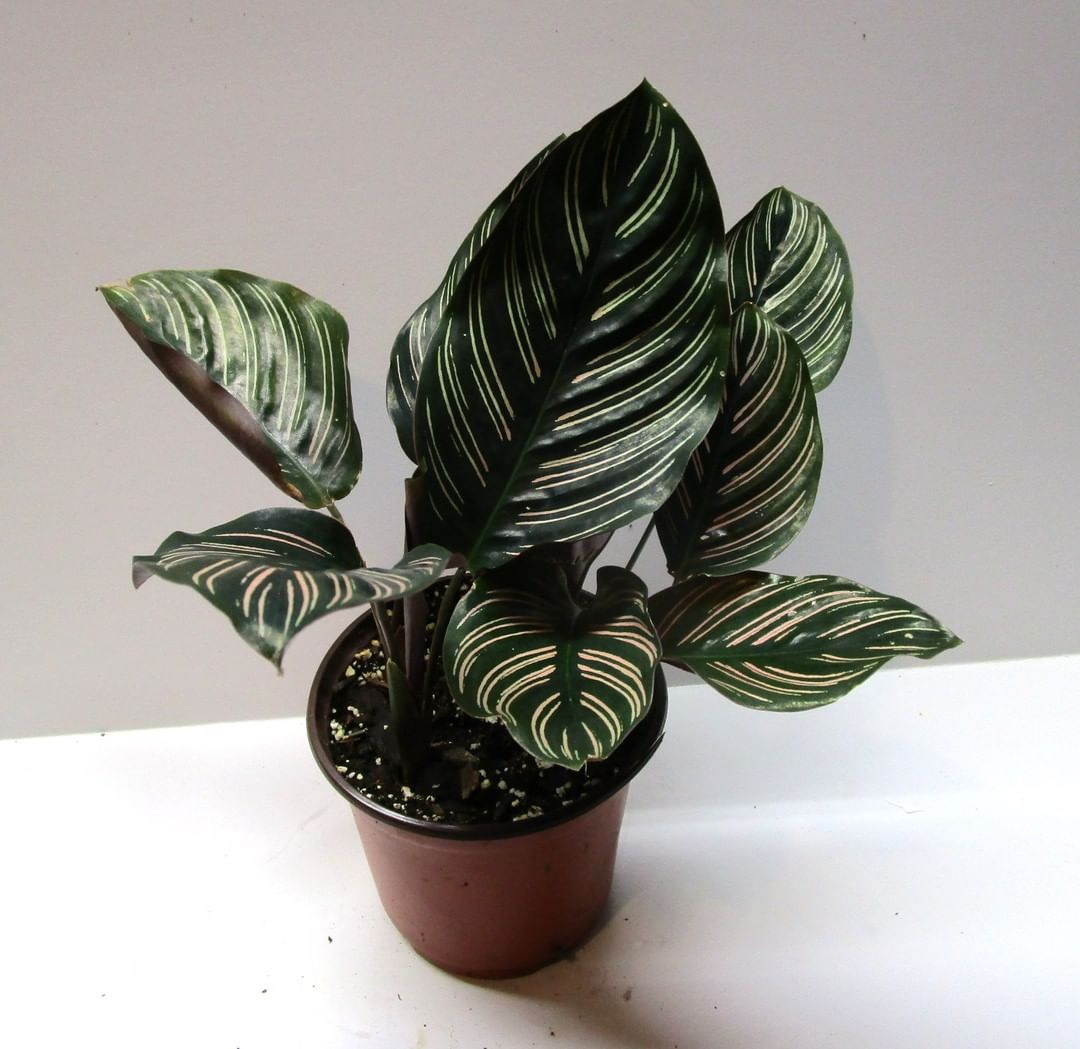
It has large, oval leaves with distinctive brightly colored stripes that provide incredible contrast. Pinstripe Prayer Plant can grow up to 2 feet tall and 2 feet wide at full maturity. The Care of the Pinstripe Prayer Plant grows outside in zones 10 to 11, so if you have a cool region, the plant can only be grown at home.
Care of the Pinstripe Prayer Plant
Lighting
Molynea clubmoss plants do best in bright, indirect sunlight. If you have a window facing south or east, this is ideal. If not, a window facing west is good. Since the plant is tropical it is used to growing in the penumbra, so diffused sunlight is vital to it. If the sunlight is not enough, you will immediately notice it by the stripes on the leaves. They will start to fade. If there is a lot of sunlight, leaf scorch will occur, which will look like brown spots.
Watering
Pinstripe Prayer Plant needs regular watering, but you will have to make up your own schedule. It will depend on the ambient temperature, light, soil and pot. It is important that the plant is not in water and that it doesn’t dry out. Keep an eye on the soil so that it only has to dry out a little before you can water it again. It is also important to use purified, not tap water, which can contain a lot of fluoride.
Fluoride will have a detrimental effect on your calatea. Therefore, it is best to water it with purified water. When, you first bring the Pinstripe Prayer Plant from the store it should be well watered so that the water flows out of the pot, which should have characteristic drainage holes for this purpose.
Humidity
The Pinstripe Prayer Plant can be placed in a tray with pebbles and water. The water will gradually evaporate from the pebbles and moisten the leaves of your plant. An automatic humidifier is a good idea, or a regular sprayer with clean water. We recommend spraying the plant twice a week during the hot months, and reduce the spraying to once during the cooler months.
Temperature
The Pinstripe Molinia plant prefers warm conditions and will not do well if the temperature drops below 60 degrees Fahrenheit. The optimum value for it is between 65 and 85 degrees Fahringey, or between 18 and 29 degrees Celsius. The plant should not be exposed to cold, freezing temperatures, drafts, or the air of a wind blower chiller, fan, or air conditioner.
Fertilizer
Prayer Pinstripe is a beautiful and unique indoor plant that is sure to impress your friends and family. It is important to fertilize this plant regularly to keep it looking its best. Use a balanced fertilizer every two weeks during the growing season, and reduce it to once a month in the winter.
Be sure to follow the directions on the package so you don’t over-saturate your plant. But if you notice that the Pinstripe Prayer Plant is growing very vigorously, in which case it does not need to add fertilizer, it will do just fine without it. And the main rule of thumb is that if you fertilize a plant a lot, it will grow lanky and skinny instead of a nice, lush and dense bush.
Soil
The soil for Pinstripe Prayer Plant should be rich in peat and should always remain slightly moist. The pot for the soil should be chosen with drainage, so that water can pass freely through the roots of the plant, nourishing them, and the excess comes out. In terms of acid, Pinstripe Prayer Plant likes a pH of 6.1 to 7.8. The plant does not like perlite or fluoride, which can cause root scorch.
It is allowed to mix the soil itself from 1 part of coconut coir, with 1 part of a soil mixture for indoor plants without perlite and fluoride, as well as compost, biochar and humic acid.
Popular Questions and Answers about Pinstripe Prayer Plant
What is the Pinstripe Prayer Plant good for?
The Pinstripe Prayer plant is perfect for adding a unique touch to your home decor. With its bold, striped leaves, the plant is sure to wow your friends and family. In addition, this plant cleans the air of dust.
Is the Pinstripe Prayer Plant poisonous?
No, the pistillate is not poisonous. However, as with all plants, it is always best to exercise caution and keep the plant out of reach of small children and pets who may chew its leaves.
How fast does the Pinstripe Prayer Plant grow?
The Pinstripe Prayer Plant grows quickly, reaching 12 inches tall in just a few months.
Does the Pinstripe Prayer Plant smell?
No, the pinnate molinia plant does not smell. However, it is important to keep the soil moist and free of debris that can cause mold or mildew. If you notice signs of mold or fungus, simply remove the affected leaves and dispose of them properly.
What diseases and pests are Pinstripe Prayer Plant susceptible to?
The panicle plants are susceptible to a number of diseases and pests, including root rot, mealybugs, spider mite, and whitefly. In general, however, they are resistant to most diseases and pests. If you notice any problems with your plant, be sure to get help from selective herbicides.