
Do you have a garden and are plagued by snails and slugs? If so, you’re not alone. These slimy creatures can wreak havoc on your plants, leaving them wilted and damaged. In this blog post, we will discuss how to get rid of snails and slugs in your garden using natural methods. We will also provide some tips on how to prevent these pests from taking over your garden in the first place!
Iron phosphate
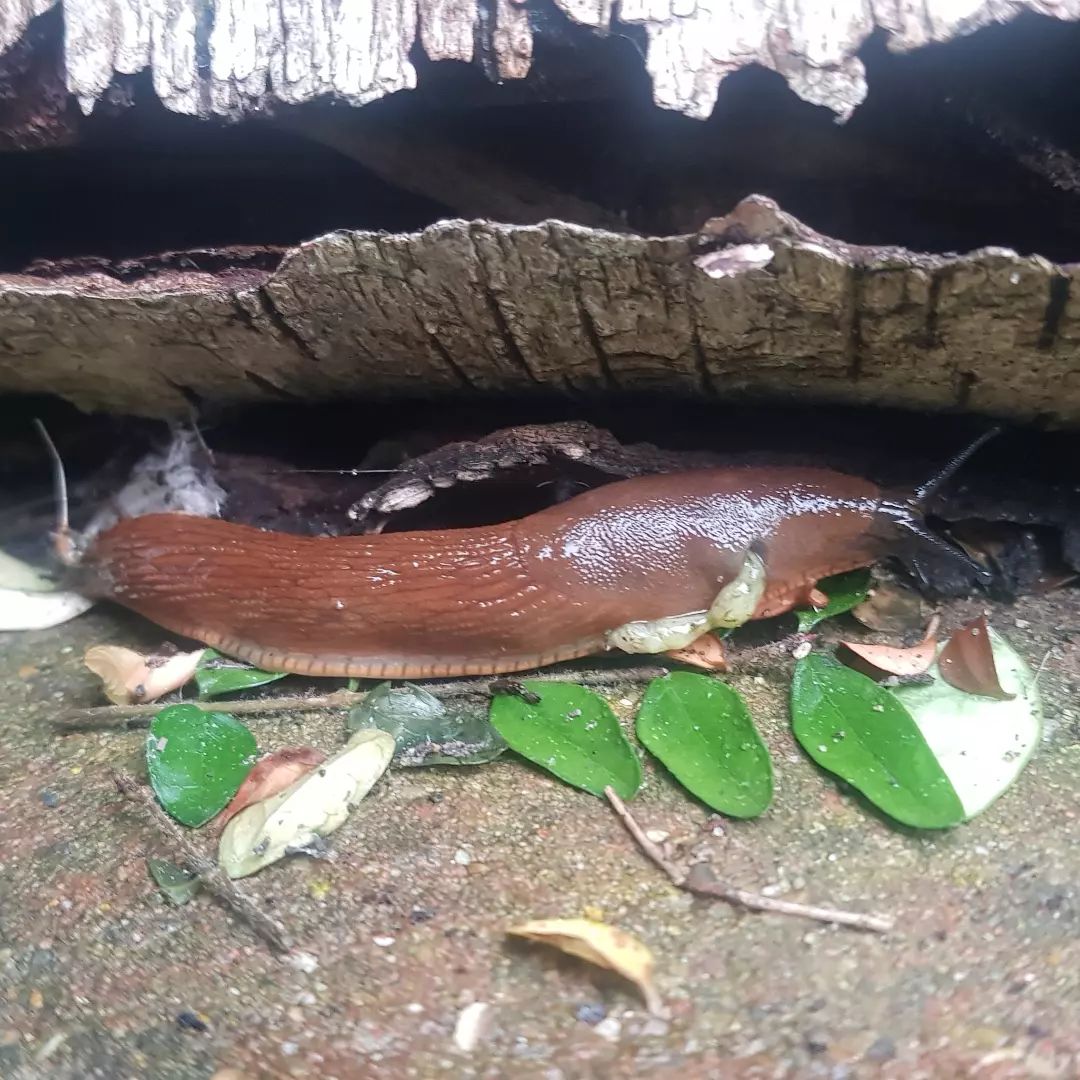
It is one of the most effective ways to control snails and slugs in your garden. This natural substance is safe for people, pets and the environment, making it an excellent choice for those looking for an environmentally friendly solution. There are many products on the market that contain iron phosphate, so read the labels carefully to find the right option.
You need to buy it in liquid form, pour it into any container, but one that allows pests to fit freely into it. Iron phosphate will attract slugs and snails and they will drown in it. It is effective in killing such pests.
Handmade Primaca
Instead of buying in special drug stores, you can make your own bait. To do this, mix together sugar, honey, grape juice and dry yeast. Place it in a jar and make a hole so that slugs and snails can easily get in and not get out. Then you can just throw them out, or they will sink in there.
Manual collection of slugs and snails
Hand picking is the most common, effective and humane method of control. Collect these pests by hand from your plants during the morning hours when they are most active. But remember that not all slugs and snails are active in the morning; some species, on the contrary, like the dark hours of the day. Therefore, you will need to raid your vegetable garden several times a day to make sure exactly when the pests crawl out of their feet to eat your plants.

Use a bucket and flashlight when collecting pests to make it easier to find a slug or snail on a plant. Collect until you’re tired, then throw them away in the woods or an uninhabited area. Repeat this process until your slug and snail population is depleted.
Nematode infestation
Nematodes are natural pests for the slugs and snails themselves. They infect them with deadly diseases that are fatal. You can add nematodes to the water and then water your vegetable garden with warm water, especially where the pests are badly pesting. Nematodes are, at the same time, completely safe for the environment.
Slag pellets
Slug pellets contain special chemical compounds that quickly kill slugs and snails. The problem is that they are also harmful to other wild, small animals that may be in your garden. They are also harmful to pets, so use such a substance only in very extreme cases.

Salt
Scatter salt around the garden, paying special attention to flowerbeds and places where you’ve seen slimy pests, but remember that salt can harm your plants, so don’t spread it in too large quantities. Sprinkling salt on the slugs themselves is also recommended. The salt acts as a dehydrator, pulling all the water out of the slug and it dies.
Garlic
An excellent natural remedy for repelling snails and slugs is to use a garlic solution. You can either plant garlic around the perimeter of your garden or make a garlic spray to repel these pests. To make garlic spray, simply crush a few cloves of garlic and add them to a cup of water. Allow the mixture to infuse for an hour, then strain it and pour it into a bottle. Afterwards, treat your soil well in areas where your pest-eating plants are located. The garlic solution will not harm plants or other animals, but slugs and snails will no longer be able to approach an area that smells of garlic.

Search and destroy nests
Snails and slugs lay their eggs on the surface or under a small layer of soil. It is important to plow the soil from time to time to find the nests and destroy the eggs while they are still in the embryonic stage. You can carefully inspect your area for such nests twice a day, in the morning and in the evening.
Decoys instead of collecting by hand
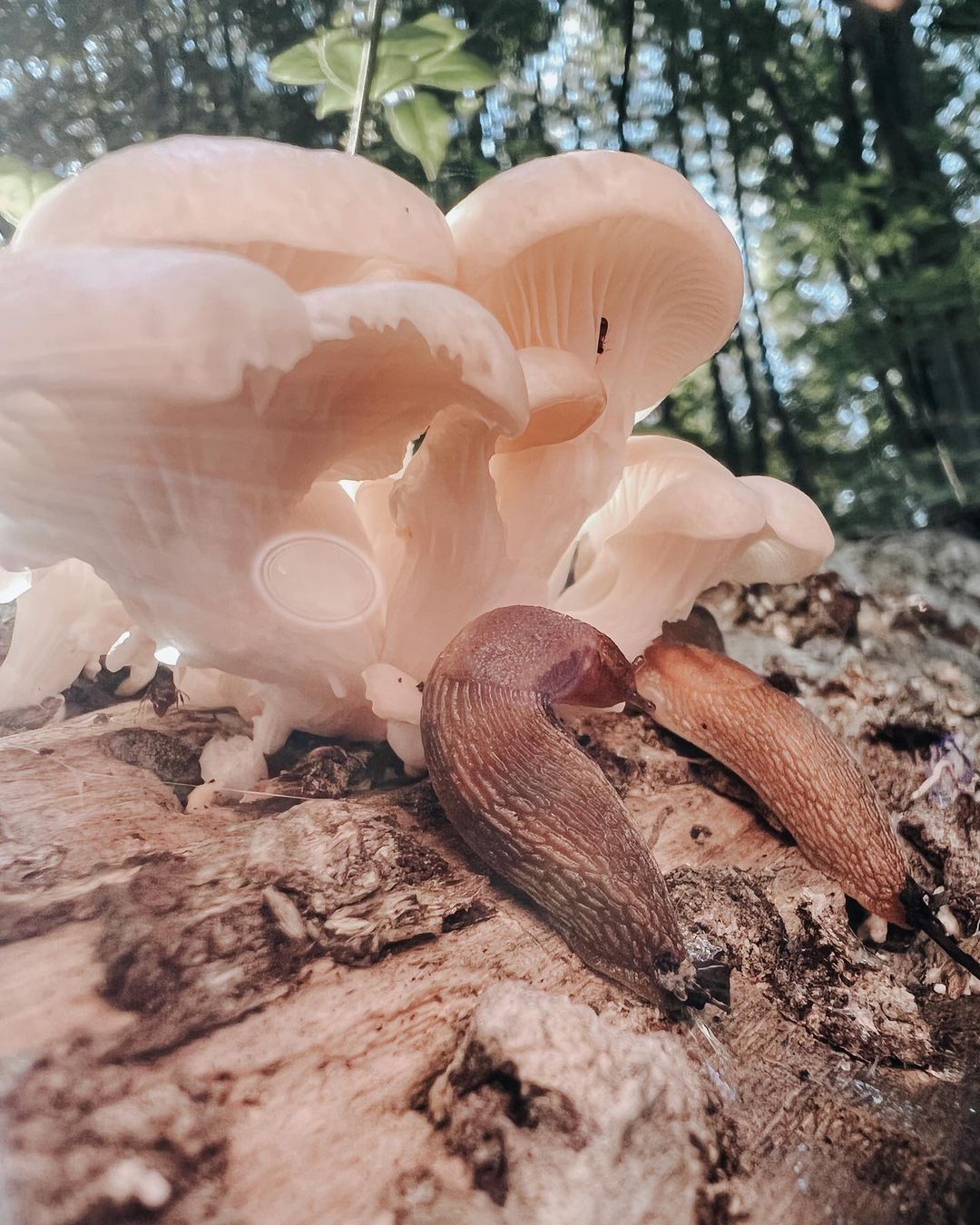
This method will not kill the slug or snail, but it will allow them to gather actively in one place, which will make it easier for you to collect them and throw them out of your territory:
- Grapefruit peel – The smell of citrus will attract slugs and snails and they will stay under the peels until you find them there in the morning;
- Planks – put regular planks near areas where pests are particularly active. Slugs and snails will hide under them and you can easily find them there in the morning;
- Flower pots are also a very attractive place for slugs and snails to hide.
Effective barriers against slugs and snails
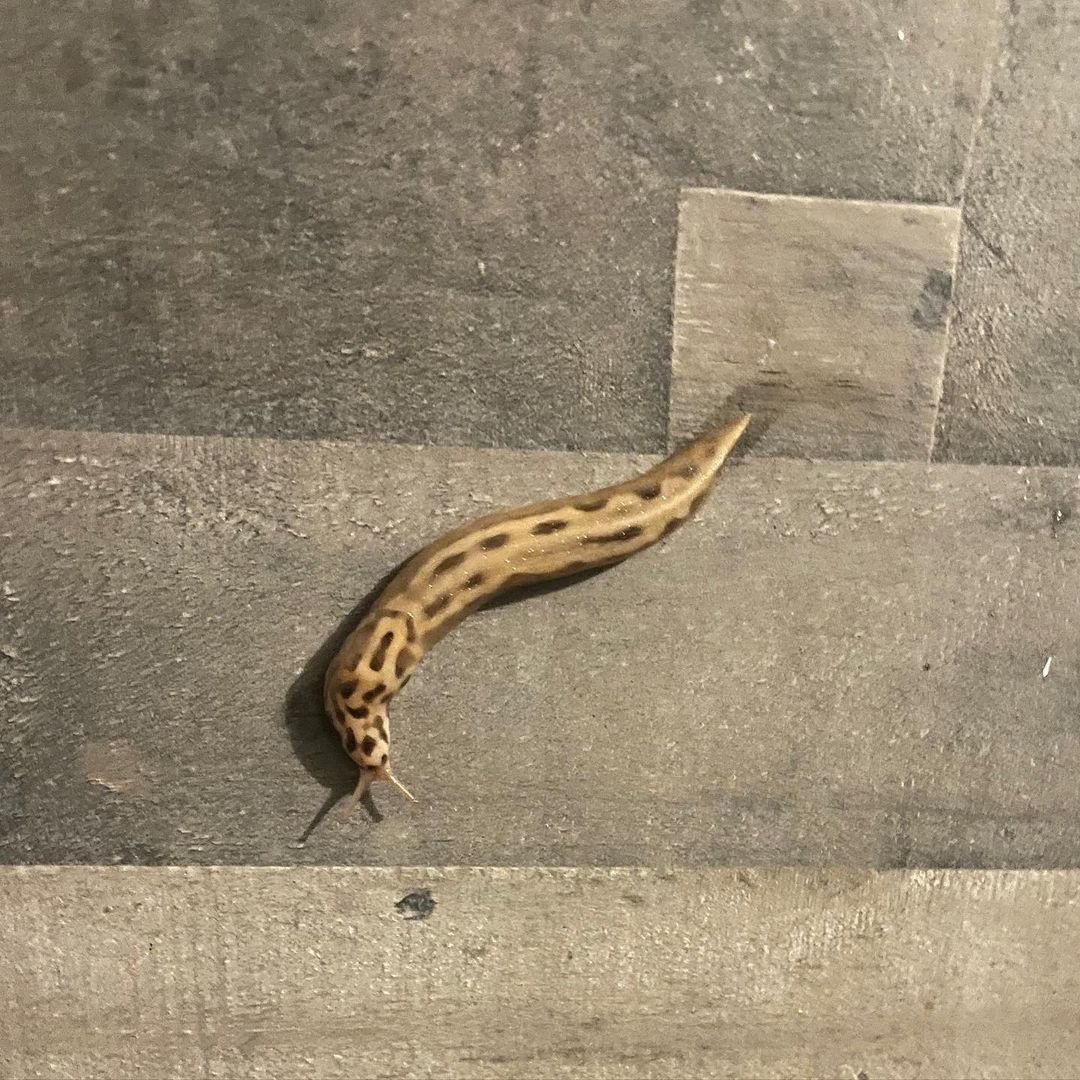
Natural methods of installing barriers against slugs and snails, will keep them from getting to your lettuce or other plants that they want to eat:
- Copper wire – simply wrap the wire around your entire garden, and then already and make similar fences near those plant crops that the pests are damaging. Copper increases the thickness of the current in the moth’s body, so it can’t get close to the wire, much less cross it.
- Diatomaceous earth is an effective and non-toxic material that has a very sharp texture. It simply cuts through the soft bodies of the slugs, preventing them from going any further.
- The electronic fence isn’t cheap, but it’s worth it. Such a fence will create a special voltage current, which is unpleasant for slugs and snails, so they will not be able to pass by such a fence. And the device itself is completely safe for plants, animals and people.
