
If you’ve noticed brown spots appearing on your Italian cypress, don’t panic! It’s likely that your tree is just going through its natural growth process. In this blog post, we will discuss the causes of brown spots on Italian cypress trees and how to remedy the issue. We will also provide tips for properly caring for your Italian cypress so that it stays healthy and looks great year after year!
What is the plant Italian cypress?

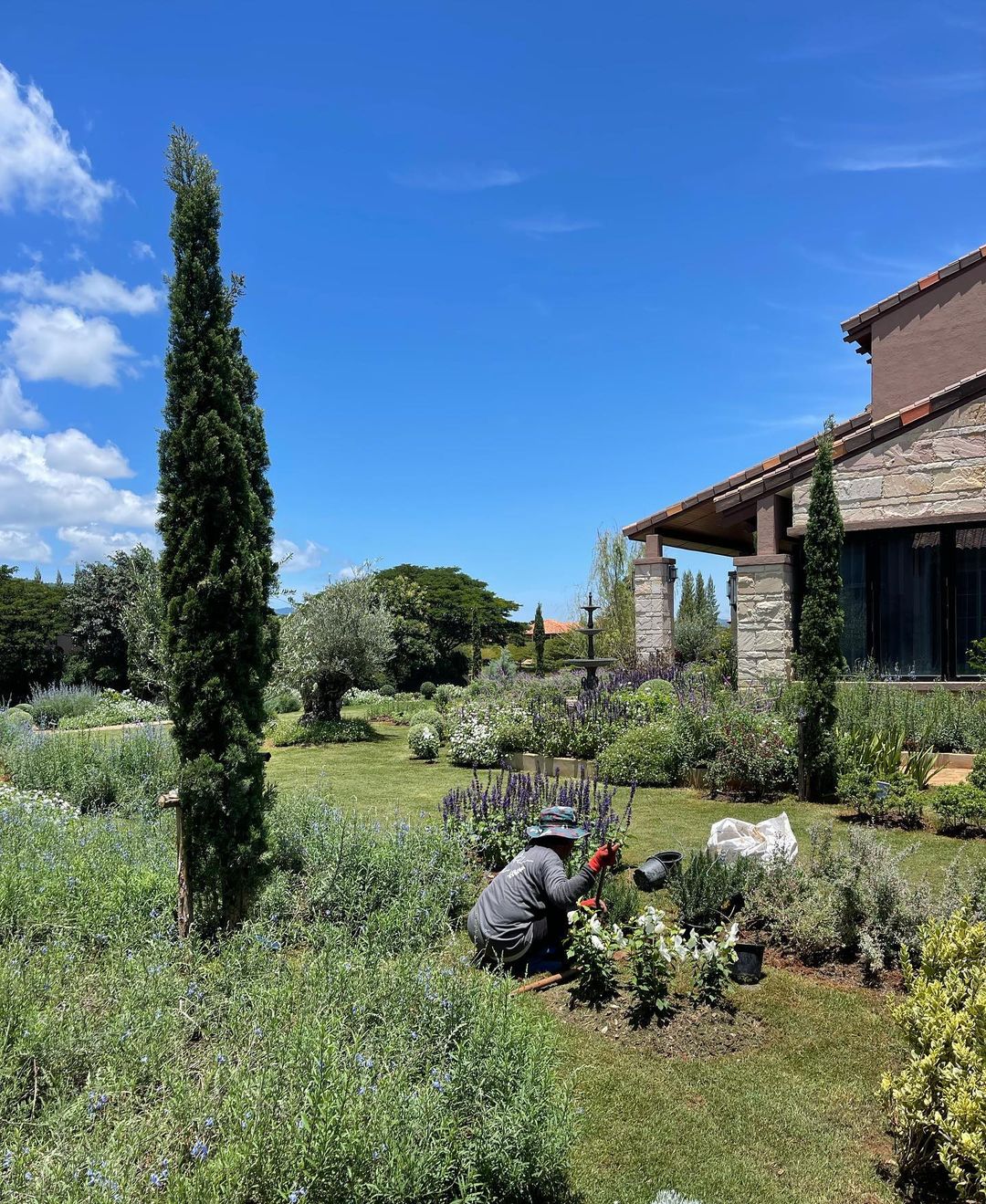
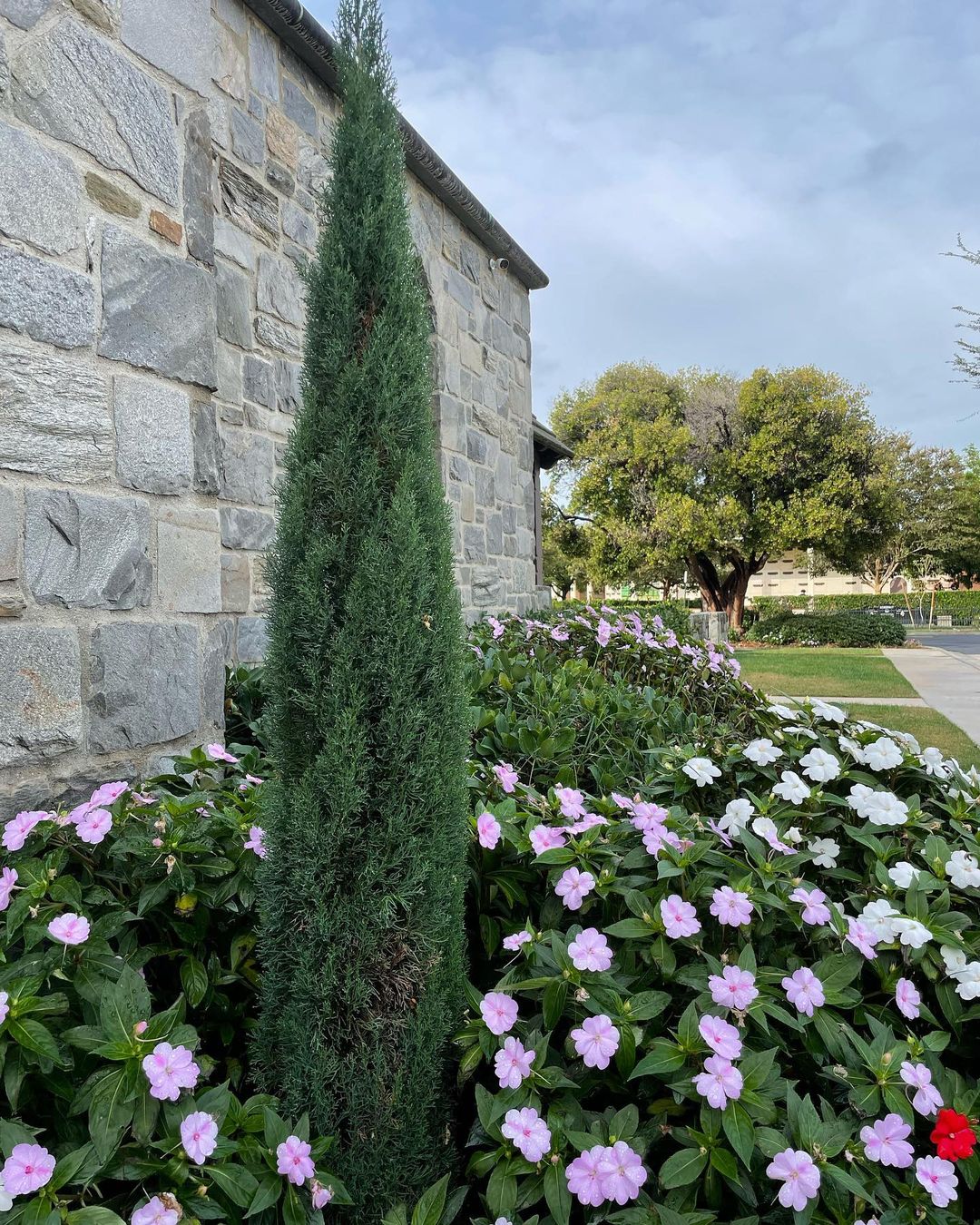
The Italian cypress is an evergreen tree up to 60 feet tall and has a columnar shape. Its dark green leaves are usually arranged in a spiral pattern around the trunk, creating a symmetrical appearance. The bark of the tree is usually reddish-brown or gray. The tree can be 3 to 6 feet tall, so it is very suitable for garden design.
Causes of brown Italian cypress
Lots of water
If brown spots and discoloration have begun to appear on your Italian cypress, it may be time to intervene. Brown spots on Italian cypress (Cupressus sempervirens) are usually caused by too much water. This is because these trees are drought-tolerant and require little water. If one does not take a break between waterings and does not wait for the top layer of soil to dry out, the leaves will start to turn brown. Remember also that if the soil drainage is poor, no matter how much water you water, it can cause browning of the leaves and consequently the development of root rot.
Lack of water
Lack of water can be one of the main reasons why Italian cypress trees turn brown. If you have recently planted your cypress, it is especially important to keep an eye on the water level and make sure it stays adequately hydrated during hot and dry conditions. Italian cypress should be watered to a depth of 24 inches of soil and allow the layer to dry out before the next watering.
Bagging caterpillar
Caterpillars on Italian cypress trees can be a problem because they feed on the foliage and cause yellow or brown spots. If you notice that your tree is starting to show signs of infestation, it is important to take action immediately. This caterpillar creates a silk sac on the tree it covers the cypress foliage and pieces of trunk bark to protect it, which damages the tree itself. Male butterfly caterpillars are black in color and small in size, while females live as larvae in the silk sack. Getting rid of them can be helped by hand-assembling the sacs and treating the tree with pesticides.
Spider mite
Spider mites can also cause brown spots on Italian cypress. These tiny arachnids are almost invisible to the naked eye and feed on foliage, causing yellowing or dull color. Spider mites thrive in warm and dry conditions, so it’s important to watch out for them. This problem is considered one of the most popular in terms of problems with Italian cypress. Detecting small pests can be helped by a magnifying glass, which can be used to look at the small mites on the branch or leaves. Insecticidal soap and garden oil can be used to kill the spider mite.
Fungus
Fungus can also cause brown spots on Italian cypress. This type of fungus can appear as yellow or white-gray spots and can be caused by too much water in the soil or lack of sun exposure. Fungal infections are usually easy to spot by inspecting the leaves, needles and branches of the tree. It is important to treat the tree for the fungus in time before it damages the entire tree.
Severe ulcer lesions
Severe lesions can be caused by a type of bacterium known as Xylella fastidiosa, which is one of the main causes of brown spots on Italian cypress. This bacterium lives in the sap vessels and needles of the tree and causes yellow or brown spots. Cypress canker disease manifests itself as follows you will notice cracks on the bark and the leaves will begin to turn brown. In such a case, it is important to cut off the affected areas, otherwise the disease will progress. If the cypress due to become completely brown, then the tree can no longer be saved.
How to take care of Italian cypress
Lighting

It is important for the Italian cypress to get at least 6 hours of sunlight a day in order to grow healthy and strong. Therefore, when planting such a tree, be sure to consider the place of shade so that you do not plant the cypress there.
Watering
As I wrote above, Italian cypress is very sensitive to watering. It should not be flooded with water and should not be left without water. If you take these two, then it is better to underwater the cypress than to overwater it. This is because Italian cypress is very susceptible to root rot. If the soil is waterlogged, the root disease will develop very quickly. The same fact affects the brown color of the leaves. Water the tree deeply and abundantly, so that the water can fully saturate the root system.
Soil

The soil for Italian cypress must have good drainage, so that water does not stagnate in the soil. The tree can grow well in soil with acidic and alkaline pH, which is very convenient.
Pruning
Italian Cypress is important and needs frequent pruning to maintain a nice and neat pyramidal shape. Pruning itself should not be too aggressive, but only light, aimed at maintaining the already sought-after shape of the tree itself. It is imperative that the pruning be done with sterile tools so as not to introduce infection.
Fertilizer

You can apply small amounts of Italian Cypress fertilizer to the soil, which can easily be found at any gardening store. It is recommended to strictly follow the instructions when diluting the fertilizer so as not to burn the roots.
Care features
To make the Italian cypress grow healthy and not sick, you can add a layer of mulch around the base of its trunk. But try to apply the mulch not right next to the trunk, but about 3 inches away to prevent additional moisture from forming. A layer of mulch will help keep the tree free of weeds.
