
Hoya obovata, or wax flower, is a tropical evergreen climbing plant common in Southeast Asia and Australia. The wax flower’s dense foliage makes it an ideal choice for gardeners who want to add greenery and texture to their landscape. Waxflowers are easy to care for and require minimal maintenance. They prefer not too delicate care, so they are good for beginning gardeners.
What kind of flower is hoya obovata?
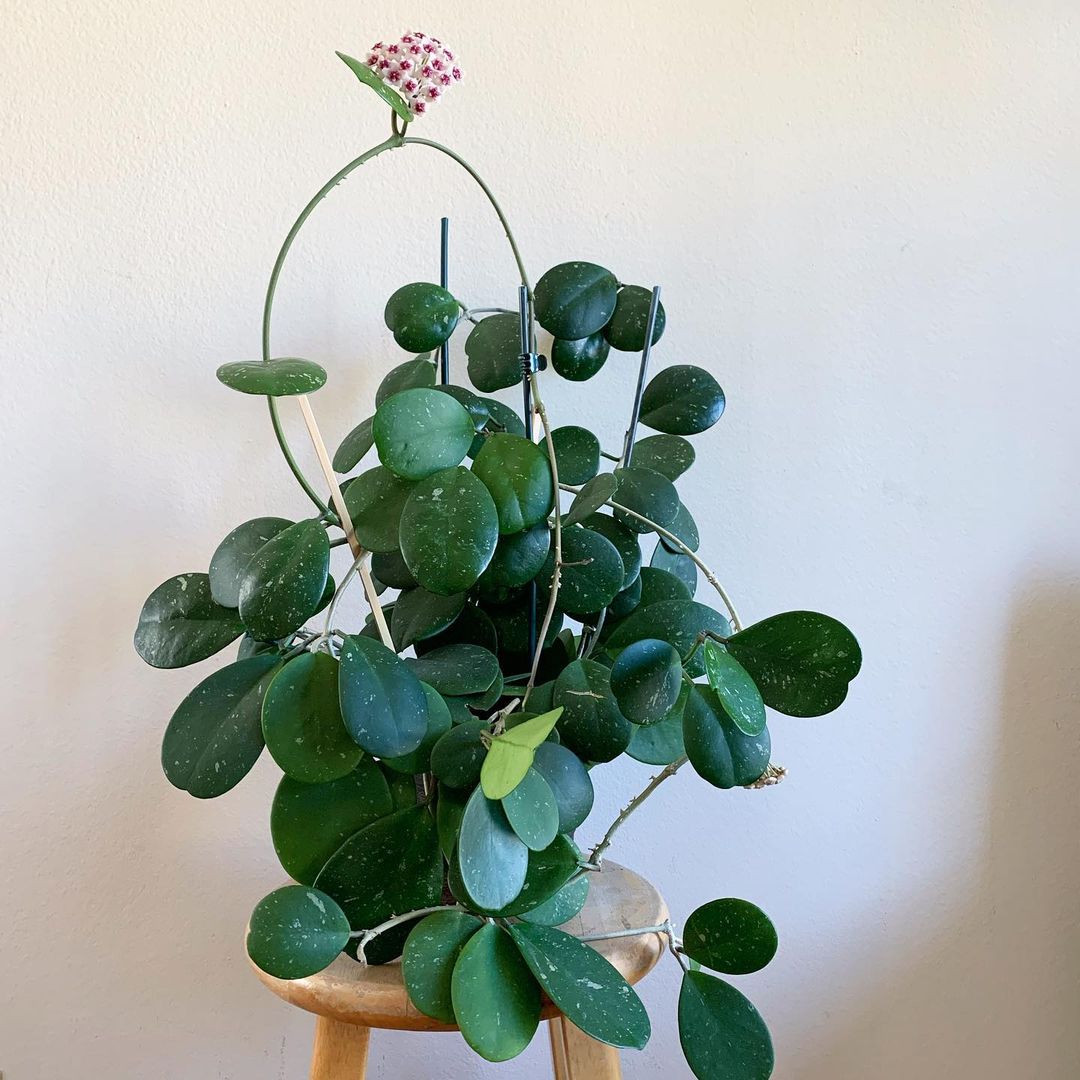
Hoya obovata is among the unique species of the plant. It is an interesting variety of hoya flower that has rich, dark green oval-shaped leaves. There is a pattern of silver fibers on the surface of the leaves, which gives the flower an incredible beauty.
Lighting
Lighting is also an important factor in caring for Hoya obovata flowers. They prefer bright, indirect light, so placing them near a sunny window is ideal. Avoid direct sunlight, however, as too much sun can cause the leaves to scorch. If you don’t have enough natural light in your home, try supplementing it with artificial light. In the wild, the flower receives sunlight that passes through the crowns of trees, thereby creating a patchy light, which in home care is often referred to as diffuse light. This is why it is so important for the variety to receive this particular lighting option.
Soil
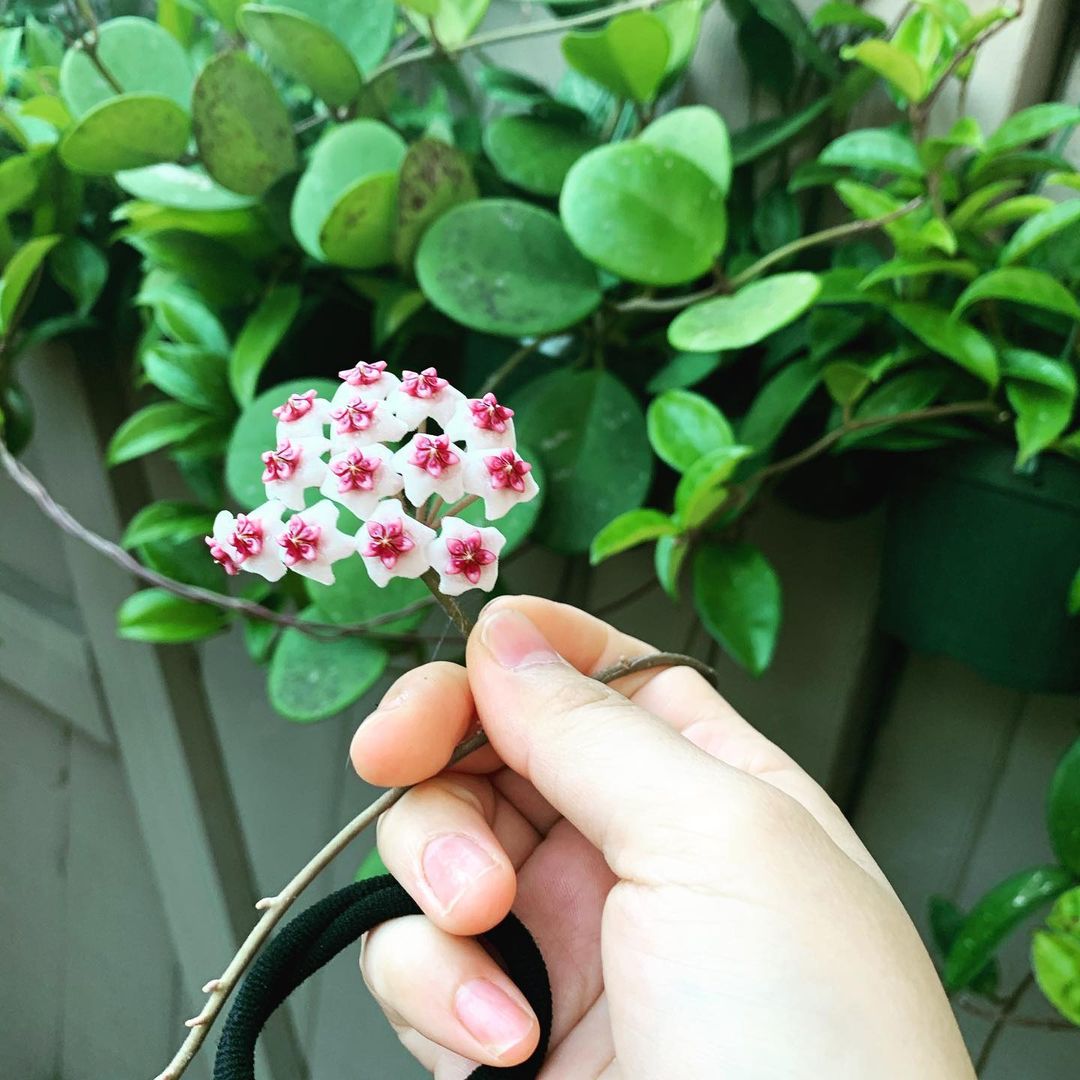
The soil plays an important role in the growth of Hoya obovata. The soil should be well-drained and nutrient-rich, consisting of peat moss, perlite and potting soil. The flower variety is very susceptible to root rot, which can occur not even from an abundance of water, but from the fact that there will be little air access near the roots. Because of this property, hoya obovata vitally needs soil with high drainage properties. As a choice of soil will work well and orchid bark, which is very useful for this kind of flower variety.
Watering and humidity
As a tropical plant, hoya obovata needs regular watering to thrive. It should be watered every two weeks or so, and the soil should be moist but not wet. The best way to tell when it’s time to water is to check the moisture in the soil with your finger. If it feels dry, it is time to water. Remember, it is better to underwater than overwater because stagnant water can immediately cause root rot. Watering also depends on the ambient temperature – the hotter it is, the more often you need to water, but it is important to check this against the drying out of the soil.
Hoya obovata likes high humidity, so it is important to provide it with this indicator. You can place other plants next to the hoya to create a natural increase in humidity. An automatic humidifier or a tray of pebbles and water can be installed.
Temperature
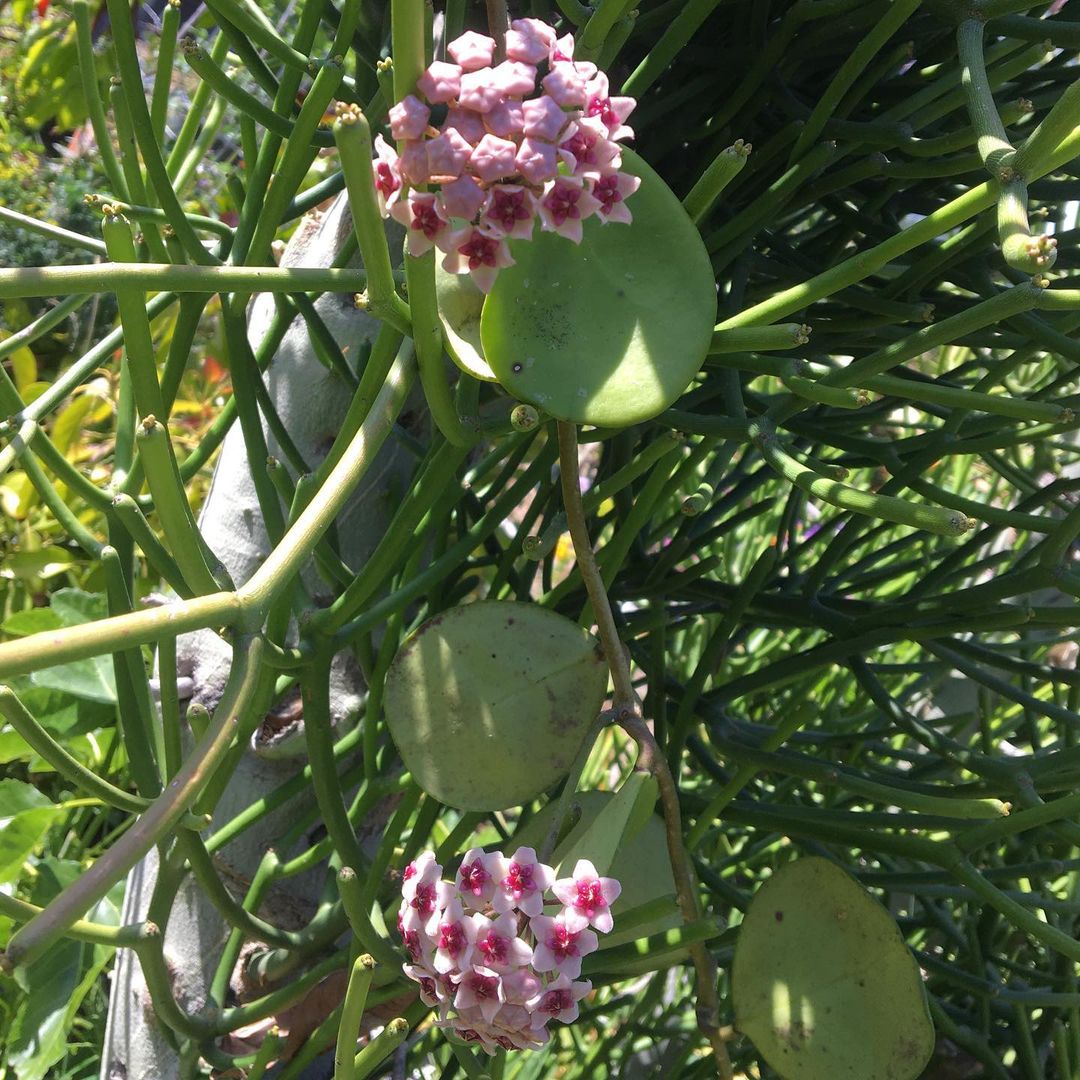
Hoya obovata prefers a warm and dry environment, so if possible, put it in a place with an average temperature of 58 to 77 degrees Fahrenheit (14.5 to 25 degrees Celsius). A cooler environment is acceptable, but the flowers will not be as vibrant. Avoid cold drafts or direct sun exposure. These conditions can damage the plant. Also, make sure that your flower is not standing under a vent, near an air conditioner or fan and heater.
Fertilizer
Hoya obovata should be fertilized regularly, but choose fertilizer with care. It is best to use liquid or organic fertilizer on the soil surface once a month during the growing season (spring through fall). The flower would also benefit from a monthly spray of diluted liquid fertilizer. Be sure to follow the instructions and do not use too much fertilizer at one time. Hoya obovata needs more nitrogen fertilizer to speed up leaf growth, and to enhance flowering, then add a fertilizer high in phosphorus.
Breeding

The Hoya obovata flower is relatively easy to propagate, with pruning being the main work. For successful propagation, it is important to provide the plant with sufficient light, moisture, and watering as needed. For best results, cuttings should be taken from healthy plants. Once the cuttings are cut, they should be placed in water or directly into soil. If you are planting cuttings in soil, it is important to keep the soil moist so that the cuttings give the first sprouts.
Pests and diseases
As with all plants, it is important to regularly inspect them for signs of disease or pests. If any are found, it is best to immediately treat the plant with a suitable insecticide or fungicide. It is also a good idea to remove dead leaves and branches from the plant to prevent further damage. Hoya obovata is susceptible to aphids, mealy bug, scale, spider mite, and sooty mold.
Popular Questions and Answers
How big can hoya obovata be?

Hoya obovata can grow to about 12 feet tall and 8-10 feet wide. Leaves are usually 2-3 inches long and flower bunches can reach 8 inches in diameter.
Is hoya obovata toxic?
No, hoya obovata is not toxic to humans or animals. However, it can cause skin irritation if it comes into direct contact with the plant’s sap.
How do hoya obovata flowers smell?

Hoya obovata flowers have a strong, sweet scent reminiscent of jasmine. The fragrance of these flowers can be felt both up close and from afar, as it has a wide range. Its fragrance is known to fill the air and last for a long time.
What should I do if hoya obovata withers?
If the hoya obovata flower is wilting, it probably needs more water. Check the soil around the plant to make sure it is moist but not wet. If the soil seems dry, you should water it lightly and provide good drainage to avoid overwatering. You should also check that it is not standing in direct sunlight.
What are the benefits of hoya obovata?
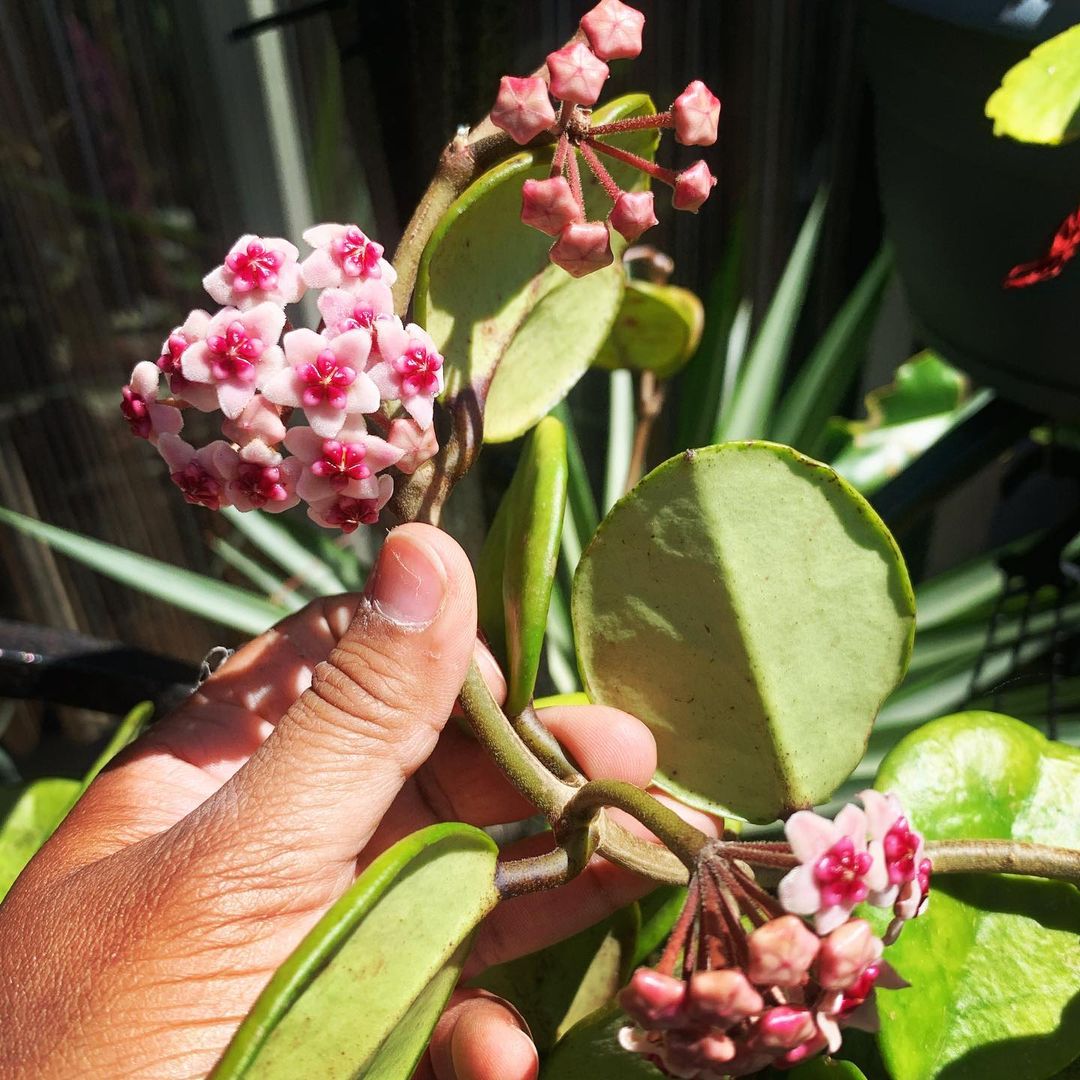
Hoya obovata has a number of advantages. It is known to be an effective air purifier, removing toxins such as formaldehyde, benzene and ammonia from the air. It also acts as a natural humidifier, providing moisture to dry air. In addition, its beautiful flowers are known to relieve stress and improve mood, and it also smells incredibly pleasant.
