
Diesel fuel can be a major contributor to grass death and damage, especially when in contact with the soil. Because diesel fuel has an extremely high hydrocarbon content, it can have a devastating effect on many types of vegetation, including grass. It is important to note that diesel fuel does not always kill grass – instead, it can cause the grass to turn yellow. Today, we’ll look at why diesel fuel kills grass, how quickly it can do so, and what else the dangers of diesel fuel are.
Why is diesel so toxic?
Diesel fuel is considered to be more toxic than gasoline because it contains higher amounts of certain pollutants, such as nitrogen oxides (NOx) and particulate matter. NOx is a group of highly reactive gases that are known to contribute to the formation of smog and acid rain, as well as being a major contributor to air pollution. The high temperatures and pressures in diesel engines produce more NOx emissions than gasoline engines, making diesel exhaust a significant source of this pollutant.
You can also find out if ammonia will kill the grass.

Particulate matter, also known as soot, is a complex mixture of tiny particles that are emitted by diesel engines. These particles are small enough to be inhaled deep into the lungs, where they can cause a variety of health problems, including respiratory and cardiovascular disease.
In addition, diesel fuel also emits sulfur dioxide, which can lead to acid rain. However, modern diesel engines have been developed to be more cleaner, they uses urea-SCR(Selective Catalytic Reduction) to reduce NOx emissions which make them less toxic compared to older diesel engine technology. It’s important to note that air quality regulations vary by country and region, so the toxicity of diesel fuel can vary depending on where it is used.
How fast will diesel fuel kill grass?
The time it takes diesel to kill grass depends on the amount of fuel used as well as the type of grass. In general, grasses that are more sensitive to chemicals die faster than those that are more resistant. Also, if diesel fuel gets into the soil beneath the grass, it can disrupt their connection to the root system, causing the grass to turn yellow and then die. In general it can be said that diesel kills grass very quickly, in about 1 hour. Within the next 48 hours, the diesel is fully capable of decomposing the plant.
Can I use diesel fuel to kill weeds?
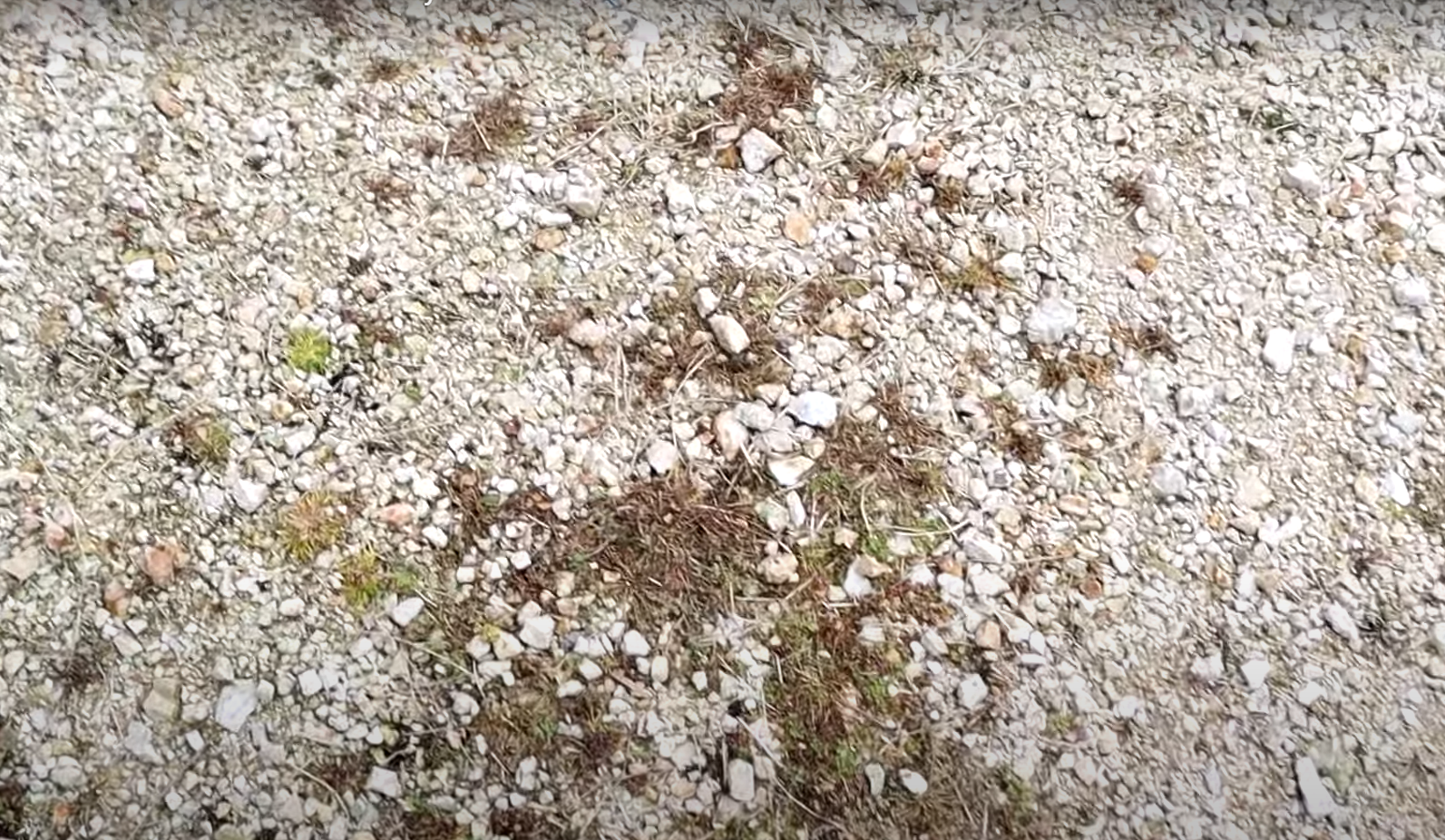
Diesel fuel can be used to kill weeds, but it is not recommended. This is toxic and can have a negative effect on the environment when it seeps into the soil or gets into the water supply. Diesel fuel also kills indiscriminately and can end up killing plants that you don’t want to get rid of. This is considered one of the cheapest ways, to control weeds, but very dangerous, as it will easily damage both healthy and the plants you want. Also, diesel fuel will be able to poison the soil in which you would like to plant any plant afterwards. It will also have a toxic effect on the insects in the soil and kill them.
How do I clean soil from spilled diesel fuel?
Cleaning up soil contaminated with diesel fuel can be a difficult and potentially dangerous task. Here are some general steps you can take to clean up a spill:
- Stop the source of the spill: If the spill is still occurring, take steps to stop it as soon as possible. This might involve shutting off valves, plugging leaks, or moving vehicles or equipment.
- Contain the spill: Use absorbent materials, such as sand, clay, or kitty litter, to surround and contain the spill. This will help prevent the diesel fuel from spreading further into the environment.
- Absorb the spill: Spread absorbent materials over the spill, and allow them to sit for a few minutes to absorb as much diesel fuel as possible. Then, carefully scoop up the absorbent materials, along with the spilled diesel fuel, and place them in a sealed, labeled container for disposal.
- Dispose of the waste: Dispose of the absorbent materials and diesel fuel in accordance with local regulations. This may involve taking it to a facility that is authorized to handle hazardous waste, or hiring a professional hazardous waste removal service.
- Remediate the site: The contaminated soil should be excavated and dispose of appropriately if possible. Otherwise, bioremediation could be a possible way to clean the soil. This process uses microorganisms to break down the pollutants in the soil.
Note: If the spill is large or the area contaminated is significant, it is essential to contact a professional remediation company, as it is risky task. They have the proper equipment, materials, and techniques to safely and effectively clean up a diesel fuel spill. Also, diesel fuel contains chemicals that can be harmful to human and animal health, so it’s essential to use personal protective equipment and proper ventilation while cleaning up a spill.
How to kill weeds with diesel fuel?
Diesel fuel can be used as a herbicide, but it is important to note that using it in this way is not recommended. Diesel fuel is a toxic substance that can be harmful to both people and the environment, and there are many other effective and safer ways to control weeds. Using diesel fuel as a herbicide can cause serious damage to plants and soil, and can also harm or kill animals that come into contact with it. Additionally, diesel fuel is highly flammable, which increases the risk of fires. It can also contaminate groundwater and surface water if not handled and disposed of properly.

Instead of using diesel fuel, you may want to consider using a natural or organic weed control method. For example, mulching with organic material can help to smother weeds and prevent them from growing, or you can use a natural herbicide made from things like vinegar, salt or soap. Manual methods such as hand pulling or hoeing can also be effective for small areas.
If you have a large area or a large number of weeds to control, you may want to consult with a professional lawn care or landscaping company. They can provide you with safe and effective weed control options that are tailored to your specific needs.
It’s important to use caution and research the method you decide to use, the way the chemical or substance will interact with the environment around it, and it’s legalities in your area before proceeding.
Does rain wash away diesel?

Rain can help to wash away diesel fuel that has spilled onto the ground, but the effectiveness of this process will depend on several factors, including the amount of rainfall, the intensity of the rain, and the type of surface on which the diesel has spilled. In general, a heavy rainstorm can help to quickly disperse and dilute a spill, making it less concentrated and easier to clean up. However, if the spill is large or if the surface is not permeable, the diesel may not be completely washed away, and some of it may remain on the surface or seep into the ground.
Another factor to consider is that diesel is a hydrocarbon based pollutant and it can bind to soil and other surfaces making it harder to remove from the environment, if a large quantity of diesel is spilled it can be very difficult to completely remove, it will require more effort and resources to completely clean up and prevent long term damage to the environment.
How long does diesel last in soil?
The longevity of diesel fuel in soil depends on several factors, such as the amount of diesel that has been spilled, the type of soil, and the weather conditions.
Diesel fuel is made up of hydrocarbons, which are compounds that can persist in the environment for a long time. In general, diesel fuel can remain in soil for many months or even years, depending on the conditions. In warm and dry environments, diesel may evaporate more quickly, whereas in cool and moist environments, it may persist for longer periods of time. Diesel fuel also interacts with the soil, when diesel fuel comes in contact with soil and/or water, some of the hydrocarbons will dissolve, while some will bind to soil particles, and some will remain on top of the soil.

The biodegradation of diesel fuel in soil is a complex process that can take place over a period of many months, or even years, depending on the type of soil, the amount of diesel present, and the environmental conditions. Diesel can also persist in soil for long periods of time if it is present in small amounts, or if it is located deep in the soil where it is not easily accessible to microbes.
It’s worth noting that if diesel fuel is spilled in large amounts, cleanup and bioremediation efforts may be necessary to remove the fuel from the soil and prevent long-term damage to the environment. It’s also important to note that when diesel fuel is present in soil in large amounts, there is a risk of groundwater and surface water contamination, with the potential for long-term, negative effects on aquatic and human health.
Will grass grow back after diesel?

The ability of grass to grow back after a diesel spill will depend on the amount of diesel that has been spilled and the severity of the contamination. A small spill may not cause significant damage to the soil and the grass may be able to recover once the diesel is removed. However, a large spill can cause serious damage to the soil and the grass may not be able to grow back without extensive remediation.
Diesel fuel is toxic to plants, and when it is spilled on soil, it can kill microorganisms that are essential for plant growth, and can also affect the fertility of the soil. The longer diesel fuel remains in the soil, the more damage it can cause to the plants and soil. When diesel fuel is present in large amounts or if it is not cleaned up quickly, it can cause long-term damage to the soil, making it difficult for grass and other plants to grow. The Hydrocarbons in diesel fuel can also bind to soil particles making it difficult for plants roots to penetrate through the soil and access water and nutrients.
However, If the diesel contamination is not too severe and the amount is not too high, the grass and other plants may recover over time as the diesel degrades, and the microorganisms and other soil organisms are able to repopulate the soil. In such cases, bioremediation and proper management of the soil can help to speed up this process and aid in the recovery of vegetation.
Does diesel evaporate in the sun?

Yes, diesel fuel can evaporate in the sun. Diesel is a volatile organic compound (VOC), which means that it is composed of molecules that can easily become vapor and disperse into the air. The process of diesel fuel evaporating is called volatilization.
The evaporation rate of diesel fuel is influenced by several factors, including temperature, sunlight, and the surface area of the fuel. In general, the warmer the temperature, the more quickly diesel fuel will evaporate. Similarly, the more sunlight that is present, the more quickly the diesel fuel will evaporate. The surface area also affects the evaporation rate, if the diesel is present in a large surface area it will evaporate more quickly.
It’s also worth noting that diesel fuel will evaporate more quickly if it is spilled on a surface that is exposed to the sun and has a large surface area, such as a paved road or parking lot, compared to a surface that is shaded and has a small surface area, such as a dirt road. In addition, diesel fuel that is spilled on the surface can evaporate and contribute to air pollution and has potential health hazards. So it’s important to take necessary measures to contain and cleanup spills as soon as possible.
What will neutralize diesel fuel?
There are several substances that can neutralize or remove diesel fuel spills. These include:
- Absorbents: Materials like clay, vermiculite, and kitty litter can be used to absorb diesel fuel and make it easier to clean up.
- Bioremediation: Certain bacteria and fungi can break down diesel fuel and neutralize it. These microorganisms can be applied to the spill site to help clean up the fuel.
- Chemical agents: Detergents and other chemical agents can be used to emulsify diesel fuel and make it easier to remove.
- Dispersants: These are chemical agents that break up fuel spills, making them easier to clean up. It is important to note that there is some controversy around the use of chemical dispersants, as they can be toxic to marine life and may spread the fuel over a larger area.
- Solvents: Organic solvents such as mineral spirits, can be used to dissolve diesel fuel and make it easier to clean up.
It’s important to note that the best method will depend on the size and location of the spill and the resources available for cleanup. In addition, it’s essential to follow the safety and regulation guidelines for the specific area or countries for the cleanup process.
