
Hello, fellow gardening enthusiasts! I’ve spent a lifetime tending to various plants, and I’m here to share with you my wealth of experience. So, buckle up, my green-thumbed friends, as we explore the best plants for a shady garden.
Gardening in the shade can be a bit tricky, but with the right plants, even the darkest corners of your garden can flourish. In this post, we’ll cover a list of plants that thrive in the shade and provide tips to help them grow.
The Importance of Choosing the Right Plants
Shade can be a real challenge for gardeners, especially when you’re trying to add color and interest to a dark corner. But don’t worry! There’s a plethora of plants that are more than happy to call the shade their home.
When selecting plants for a shady garden, it’s important to:
- Choose plants that are suited for the shade
- Consider the type of shade (dry, damp, or dappled)
- Assess the soil type and drainage
- Select plants with different blooming seasons to maintain color throughout the year
With these factors in mind, let’s dive into the top 10 plants perfect for your shady garden.
Top 10 Plants for a Shady Garden
1. Hostas
Hostas are popular perennials known for their large, lush leaves that come in various shades of green, blue, and gold. They produce delicate, trumpet-shaped flowers in white, lavender, or purple during the summer months. Hostas are low-maintenance plants that can tolerate a range of shade levels, from partial to full shade. They prefer well-draining, slightly acidic soil and should be divided every 3-5 years to maintain their vigor.

2. Astilbes
Astilbes are elegant perennials that produce feathery plumes of flowers atop fern-like foliage. These shade-loving plants bloom from late spring to early summer and come in various colors, including white, pink, red, and purple. Astilbes prefer partial to full shade and thrive in consistently moist, well-draining soil. They’re an excellent choice for borders or woodland gardens and are resistant to deer and rabbits.

3. Ferns
Ferns are ancient, non-flowering plants that add texture and elegance to any shady garden. They come in a wide range of sizes, shapes, and colors, offering countless options for gardeners. Most ferns prefer moist, humus-rich soil and dappled to full shade. Some popular fern species for shady gardens include the lady fern, Japanese painted fern, and the Christmas fern.

4. Bleeding Hearts
Bleeding hearts (Lamprocapnos spectabilis) are charming perennials with arching stems and unique, heart-shaped flowers in shades of pink or white. They bloom in late spring and prefer partial to full shade. Bleeding hearts thrive in moist, well-draining soil enriched with organic matter. They make an excellent addition to borders, woodland gardens, or along pathways.

5. Heucheras
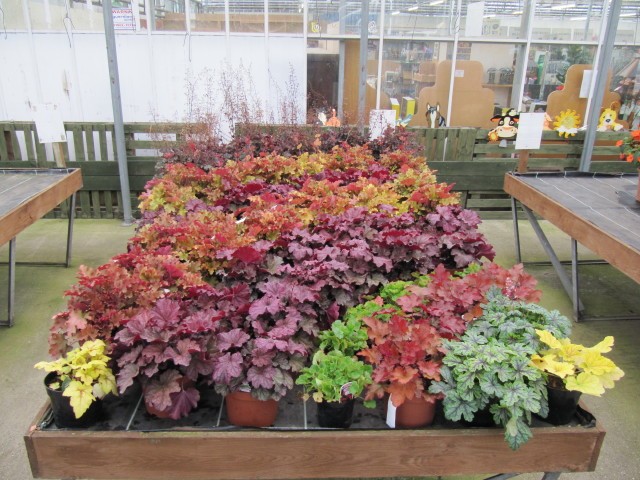
Heucheras, also known as coral bells, are prized for their attractive, evergreen foliage in various colors, including green, purple, bronze, and silver. They produce delicate, bell-shaped flowers on tall stalks in spring or early summer. Heucheras are adaptable to different types of shade and soil conditions, making them a versatile option for shady gardens. They prefer well-draining soil and benefit from a layer of mulch to help retain moisture.
6. Hellebores
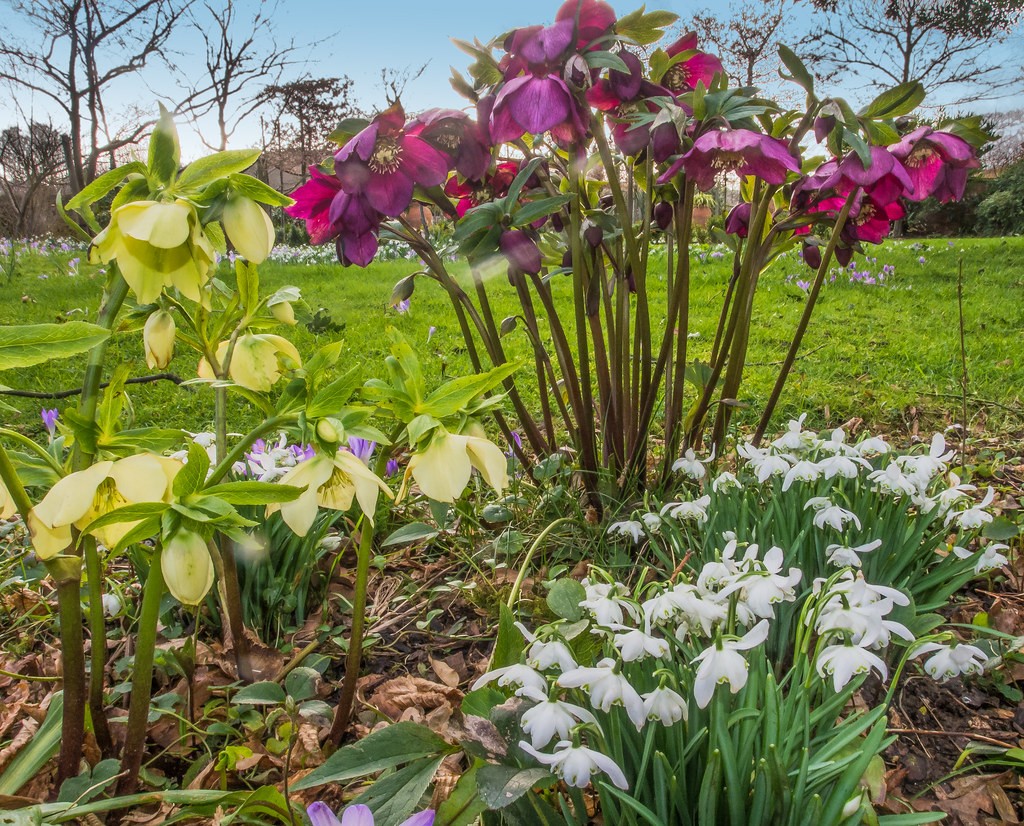
Hellebores are evergreen perennials that bloom in late winter to early spring, offering a burst of color when few other plants are flowering. They produce nodding, cup-shaped flowers in various shades of white, pink, purple, and even near-black. Hellebores prefer dappled shade and well-draining, humus-rich soil. They’re also deer and rabbit resistant, making them an ideal choice for woodland gardens.
7. Hydrangeas
While some hydrangea varieties require more sun, others, like hydrangea macrophylla, are well-suited for shadier locations. These stunning shrubs produce large, showy flower heads in shades of pink, blue, or white, depending on the soil pH. Hydrangeas bloom from late spring to early autumn and prefer well-draining, humus-rich soil. They can tolerate partial shade to full shade, but flower production may be reduced in deeper shade.

8. Japanese Anemones
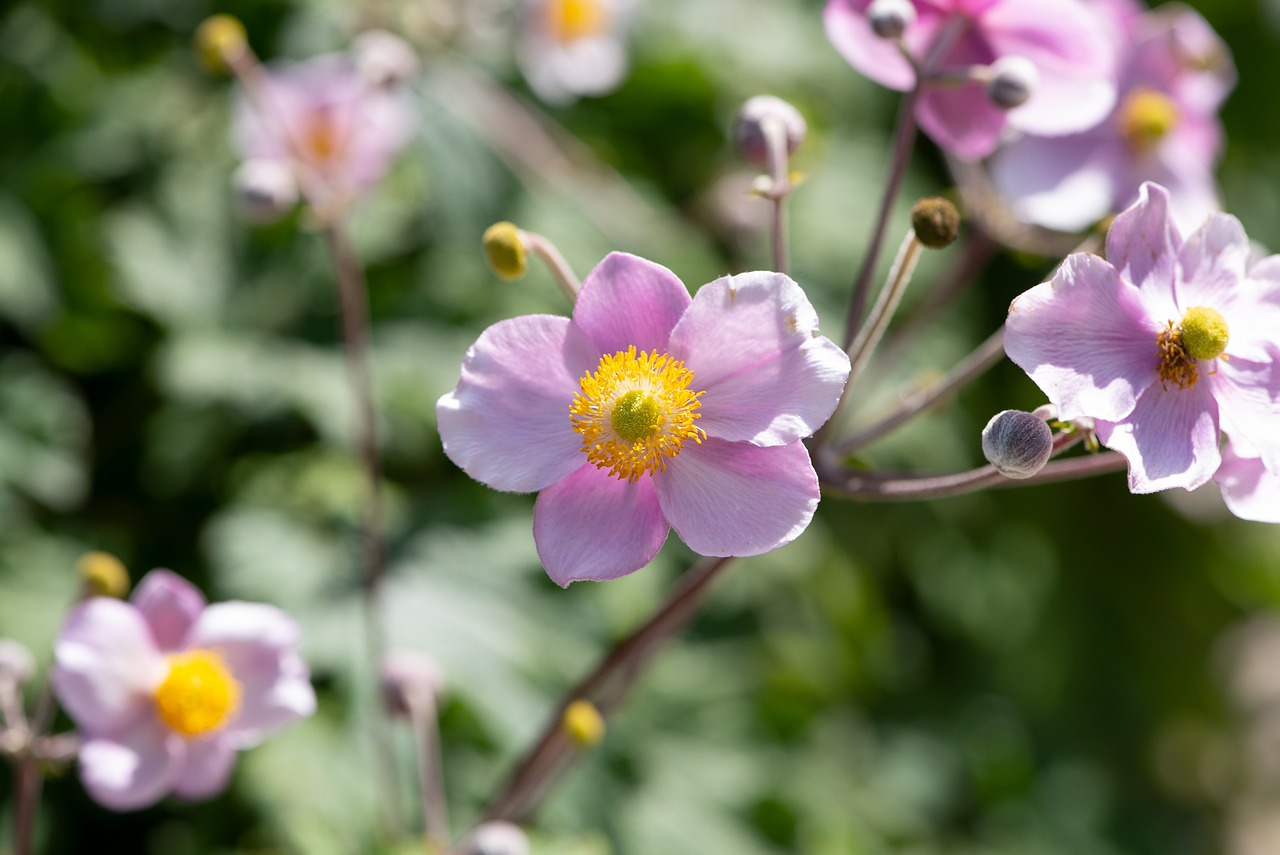
Japanese anemones (Anemone hupehensis) are graceful perennials that produce delicate, poppy-like flowers in shades of white, pink, or purple atop tall, wiry stems. They bloom from late summer to early autumn and are an excellent choice for adding late-season interest to your shady garden. Japanese anemones thrive in partial shade and well-draining, humus-rich soil. Keep in mind that they can be somewhat invasive, so give them space to spread or plant them in a confined area.
9. Pulmonarias
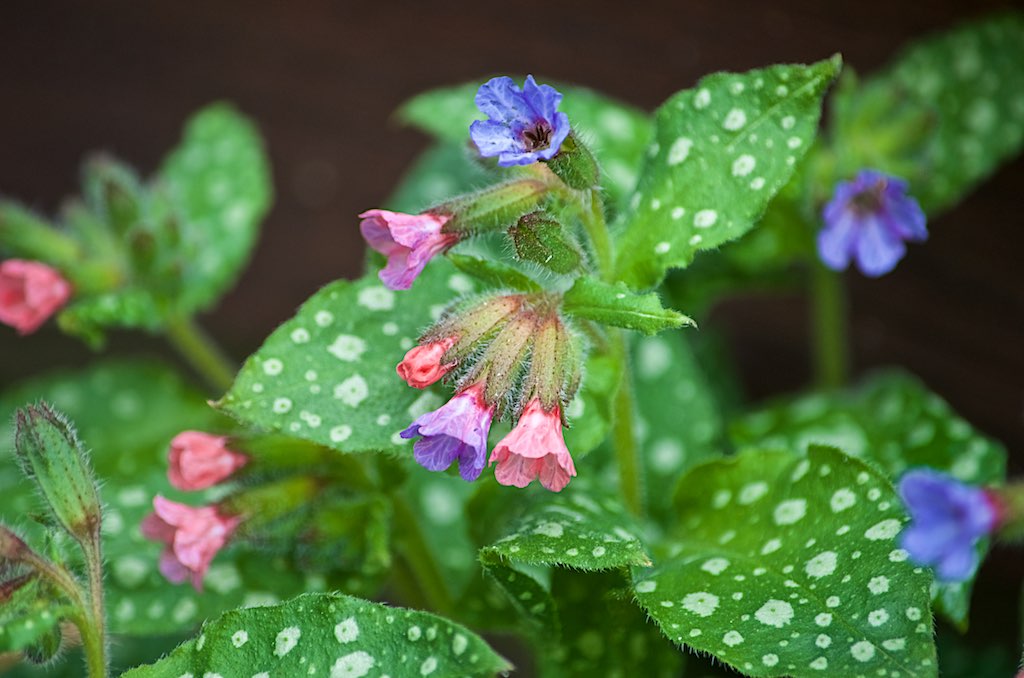
Pulmonarias, or lungworts, are attractive perennials with striking, spotted foliage and delicate, tubular flowers in shades of blue, pink, or white. They bloom in early spring, providing a splash of color when many other plants are still dormant. Pulmonarias prefer dappled shade and moist, well-draining soil. They’re a great addition to woodland gardens, borders, or as ground cover.
10. Solomon’s Seal
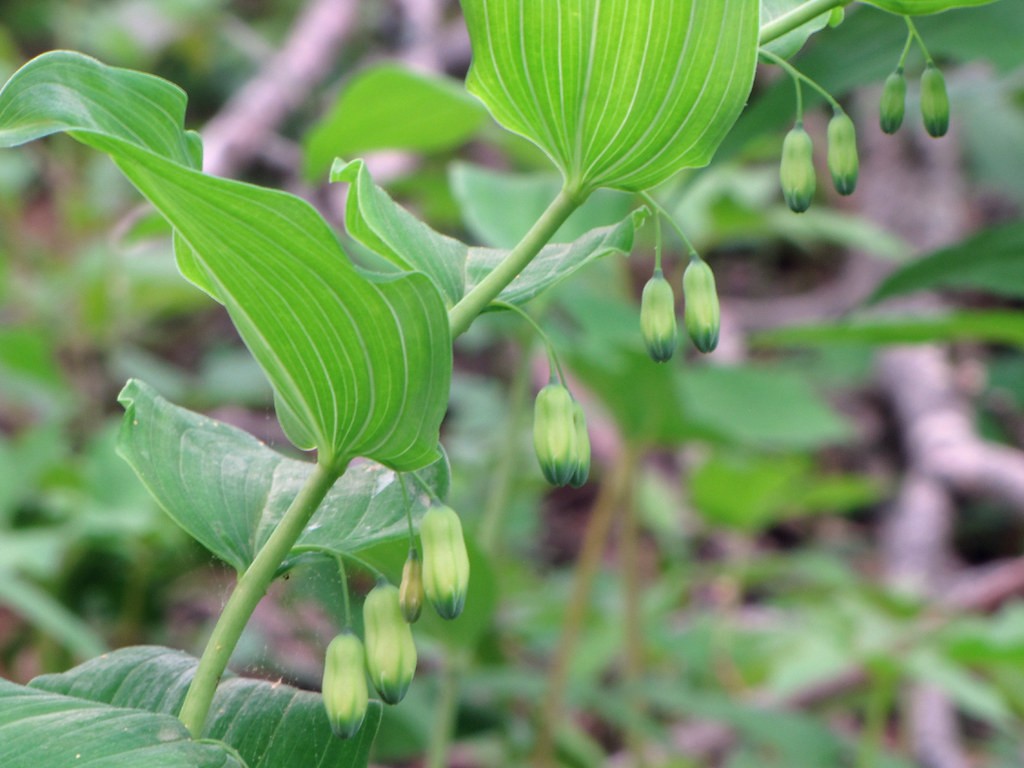
Solomon’s Seal (Polygonatum) is an elegant woodland perennial featuring arching stems adorned with pairs of bell-shaped flowers in white or pale green. The flowers are followed by attractive blue-black berries in the fall. Solomon’s Seal prefers moist, well-draining soil and can tolerate dry shade once established. This plant is an excellent choice for adding height and structure to a shady border or as a companion for other shade-loving perennials like hostas and ferns.
Tips for Growing Plants in the Shade
Now that we’ve covered the top 10 plants for your shady garden, here are some tips to help them thrive:
- Improve soil quality by adding organic matter, such as compost or well-rotted manure, to increase fertility and improve drainage.
- Mulch around your plants to help retain moisture, suppress weeds, and regulate soil temperature.
- Water regularly during dry spells, as shady areas can still dry out quickly. Be careful not to overwater, though, as this can cause root rot.
- Prune overhanging branches to allow more light to reach your plants if necessary.
- Fertilize as needed, but be cautious not to overdo it, as excessive nutrients can lead to weaker, leggy growth.
Conclusion
Gardening in the shade doesn’t have to be a daunting task. With the right plant selection and proper care, you can create a beautiful, lush garden that flourishes even in the darkest corners. So, go ahead and embrace the shade, my fellow gardening enthusiasts! Your shady garden will be the envy of the neighborhood in no time.
Happy gardening!
