
Hello there, fellow green thumbs and paw parents! If you’re reading this, chances are your four-legged friend has transformed your once-verdant lawn into their personal canvas—only instead of a masterpiece, you’re left with patches, holes, and a not-so-subtle aroma of ‘Eau de Fido.’ Don’t despair! Lawn repair isn’t rocket science, but it’s close enough that I’m here to guide you through it.
In this article, we will dive deep into identifying various types of lawn damage caused by your pets, how to repair them, and even some preventative measures so that you can both enjoy your outdoor space. So, let’s get our paws—err, hands—dirty!
Identifying Types of Lawn Damage Caused by Pets
Urine Burns
Description and Visual Signs
Ever notice those unsightly yellow or brown spots peppered around your lawn? Those are most likely urine burns, the hallmark of a pet-friendly yard.
The Science Behind It: Nitrogen Content
Your pet’s urine contains nitrogen. While nitrogen is essential for plant growth, too much of it is like binge-watching a TV series—initially enjoyable but ultimately harmful.
Digging Holes
Signs and Potential Locations
If your lawn looks like a moon crater, you’ve got a digger. Dogs often dig near fences or in freshly turned soil.
Impacts on Lawn Health
Besides being unsightly, these holes can disrupt the aeration of your soil and even become breeding grounds for pests.
Torn Up Grass from Playing
Typical Areas Affected
High-traffic areas like paths and borders are often the first victims.
How It Differs from Other Types of Damage
The wear and tear from running and playing are more widespread and less concentrated than urine burns or digging holes.
Chewed-Up Plants and Shrubs
Commonly Affected Plants
Roses, hydrangeas, and basically anything that you hold dear.
Safety Concerns for Pets
Some plants are toxic to pets. So, your pet’s errant munching could be more than just an aesthetic issue.
Solutions for Repairing Each Type of Damage
Urine Burns
Neutralizing the Area
- Using water to dilute: Hose down the area to spread out the nitrogen.
- Safe Neutralizing Products: Products like Dog Spot Solution can help neutralize the area.
Reseeding
- Choice of Grass Seeds: Opt for urine-resistant grass like Fescue or Ryegrass.
- Process of Reseeding: Remove the damaged grass, apply soil and reseed.
Digging Holes
Filling and Compacting
- Materials to Use: Fill with a mix of soil and compost.
- Steps to Properly Compact Soil: Tamp down the soil firmly.
Reseeding
- Prepping the Area: Remove any loose soil or debris.
- Grass Seed Recommendations: Again, Fescue or Ryegrass are solid choices.
Torn Up Grass
Leveling the Ground
Use a garden rake to level the soil, ideally during the spring or fall.
Sod Installation
| Pros | Cons |
|---|---|
| Instant lawn | More expensive |
| Less vulnerable to erosion | Labor-intensive |
Chewed-Up Plants and Shrubs
Replacement and Protection
- Replanting Strategies: Consider replacing with pet-friendly plants.
- Protective Barriers or Sprays: Use garden fencing or pet-safe repellents.
Preventative Measures
Training Your Pet
Teaching simple commands like “No dig!” or “Leave it!” can be lifesavers.
Creating a Pet-Friendly Zone
Designate a zone with pet-safe plants and mulch where your fur baby can frolic freely.
Safe Lawn Care Products
Always choose pet-safe fertilizers and pesticides. Read the labels!
Questions and Answers
Q: Can I use regular household items to neutralize urine burns?
- A: Yes, some people use diluted vinegar or baking soda solutions. However, these methods have pros and cons which we will discuss.
Q: Is it necessary to consult a veterinarian if my pet is eating plants?
- A: Absolutely, some plants can be toxic to pets. Consult your vet for a list of plants that are safe for your specific pet.
Q: How long does it typically take for a reseeded area to grow back?
- A: Depending on the type of grass and weather conditions, it can take 2-8 weeks.
Q: Can I train older pets to avoid damaging my lawn?
- A: Yes, older pets can still learn new commands, though it might take a bit longer compared to training a younger pet.
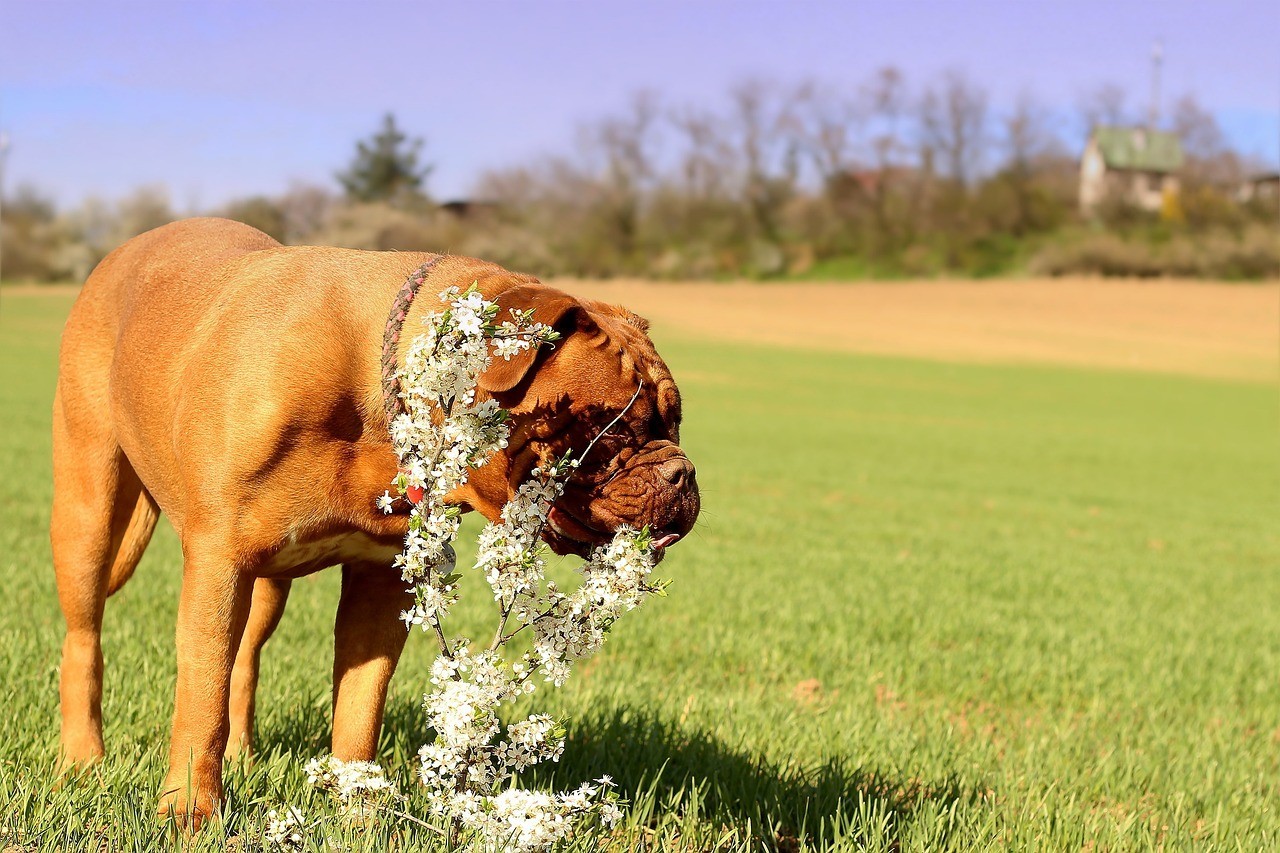
And there we have it—a quick guide to a pet-friendly, picture-perfect lawn! Repairing and preventing pet-caused lawn damage is a continuous process, but with a bit of effort, both you and your pet can enjoy the great outdoors without compromising on beauty or safety.
So the next time your dog or cat decides to “help” you with the gardening, you’ll know just what to do. Happy gardening and tail-wagging!
