
Hello, green-thumbed friends and weed warriors! Ever found yourself admiring your lush lawn or hearty vegetable patch, only to notice some prickly invaders sticking to your clothes or your pet’s fur? Yep, those are burr weeds, the uninvited guests at your garden party. And let me tell you, they sure love to cling!
What are Burr Weeds?
Burr weeds are a special class of plants that have devised an ingenious, albeit annoying, method for spreading their seeds. These plants produce seedpods covered in small hooks or spikes, commonly known as “burrs.” Once mature, these burrs detach from the plant and hitch a ride on any passerby—be it an animal, human, or even a gust of wind. It’s like nature’s version of Velcro, but far less welcome.
Why Get Rid of Them?
- Aesthetic Appeal: Let’s face it, burr weeds are no roses. They can seriously cramp your garden’s style.
- Pet and Human Comfort: Nothing says “I’ve been exploring the great outdoors” like a pant leg or a dog’s coat full of burrs. While it might make for a memorable Instagram story, it’s not particularly pleasant.
- Resource Hoarders: These weeds aren’t just there for a good time; they’re absorbing valuable nutrients and water that your beloved plants need.
- They Spread Like Gossip: If you let them linger, they’ll invite their friends, their family, and probably their distant cousins twice removed. Before you know it, you’ll be hosting a full-blown burr weed reunion.
II. Types of Burr Weeds
Alright, let’s get to know our spiky adversaries a bit better, shall we? There’s a diverse cast of characters in the world of burr weeds, each with their own unique quirks and questionable charms. Here are some of the most “popular” types you might encounter:
Cockleburr

Cockleburr is like that prickly friend who just won’t leave you alone. It’s often found in fields, pastures, and your nightmares. This weed typically grows up to 4 feet tall and produces small, green flowers followed by the infamous hooked burrs.
Burdock

The Burdock plant would win the burr weed beauty contest if there were such a thing. It has big, heart-shaped leaves and purple flowers. Don’t be deceived by its looks, though—those burrs are just as clingy as any others. Fun fact: the Velcro concept was actually inspired by burdock burrs!
Sandbur
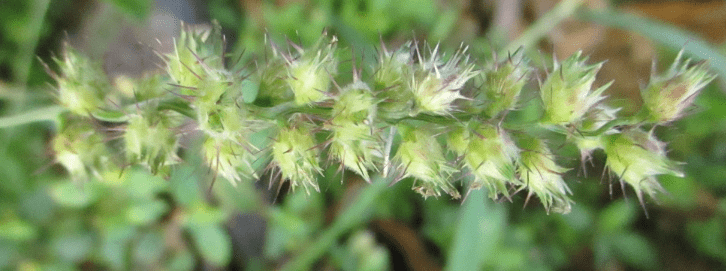
If you’ve ever walked barefoot on the beach and ended up with a surprise prick, you’ve likely met Sandbur. This grassy weed thrives in sandy soils and has a knack for producing tiny, painful burrs.
Spiny Amaranth

Spiny Amaranth is the sophisticate of the burr weed world, often found dressed up in pretty reddish stems and simple leaves. Don’t let it fool you; those spines are as nasty as they come.
Horsenettle

Horsenettle could be a character in a dark fairy tale, complete with its pretty white or purple flowers. However, its thorny stem and spiky fruit make it as unwelcome as an evil stepmother in your garden.
Beggar’s Ticks

Beggar’s Ticks are the Houdinis of the burr world. These weeds produce two-pronged burrs that expertly cling to fur and fabric, making a quick escape impossible. You’ll often find them in moist, shady areas.
Stickseed
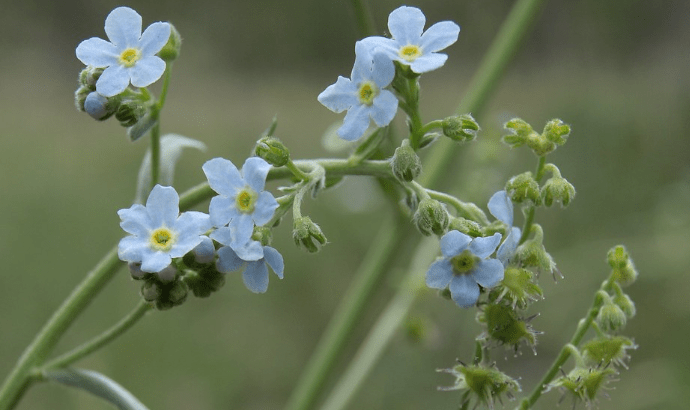
The Stickseed doesn’t want to be left out of the fun! Found primarily in forests and fields, this plant produces burrs that are like miniature torture devices for your feet and hands. These are often the bane of hikers and outdoor enthusiasts.
A Quick Summary Table
| Type of Burr Weed | Habitat | Special Features |
|---|---|---|
| Cockleburr | Fields, Pastures | Hooked Burrs |
| Burdock | Varied | Heart-shaped leaves |
| Sandbur | Sandy Soils | Grassy, small burrs |
| Spiny Amaranth | Varied | Reddish stems |
| Horsenettle | Varied | Thorny stem, pretty flowers |
| Beggar’s Ticks | Moist, Shady Areas | Two-pronged burrs |
| Stickseed | Forests, Fields | Tiny, painful burrs |
So there you have it—the “who’s who” of the burr weed community. Knowing your enemy is the first step to victory, and now that we’re acquainted, it’s time to plan our counterattack.
III. How to Get Rid of Weeds with Stickers
Ah, the moment you’ve all been waiting for: how to show these clingy freeloaders the door! Getting rid of burr weeds is a bit like breaking up with a persistent ex—they just don’t want to let go. But fear not, my gardening compatriots, for I’ve gathered some tried-and-true methods to send these burrs packing.
So, don your battle gear (or, you know, a pair of sturdy gloves and some good shoes) and let’s reclaim your lawn and garden from these spiky squatters.
Ready? Let’s dig in. (Pun absolutely intended!)
Pre-emergent Herbicides
Ah, Pre-emergent Herbicides—the preemptive strike in your anti-burr arsenal! Think of this method as setting up a garden security system before the burglars—err, burrs—make their grand entrance.
What Are They?
Pre-emergent herbicides are chemicals designed to stop the weeds before they even start. Imagine them as a bouncer at the club, keeping unwanted guests from crashing your garden party. These herbicides inhibit seed germination, so the weeds never get a chance to see the light of day (or your frustrated face).
How to Use
- Timing is Everything: The trick with pre-emergent herbicides is all about timing. You’ll want to apply it just before the weed seeds start to germinate. For most burr weeds, this is typically in the late winter or early spring.
- Read the Label: Yes, I know, it’s as exciting as watching paint dry, but it’s crucial. Different herbicides have different application rates and methods.
- Application: Equip yourself with a garden sprayer and unleash the herbicide on the areas where you’ve seen burr weeds before or where you suspect they might appear.
- Watering: Most pre-emergent herbicides require a bit of watering-in to activate. Follow the instructions on the label for best results.
Some Cautions
- Non-selective Nature: These herbicides generally don’t discriminate between the plants you love and the weeds you hate. So, make sure your precious plants are well-protected or far from the spray zone.
- Soil Health: Extended use of herbicides can affect soil health. So, maybe don’t make this your go-to move every season.
Post-emergent Herbicides
Alright, what if your burr weeds have already crashed your garden party, enjoying the free snacks and making a mess? Well, enter Post-emergent Herbicides, the equivalent of calling in the clean-up crew after the event has gone awry.
What Are They?
Post-emergent herbicides are the fixers, the problem solvers, the “let’s handle this” of weed control. These chemicals target weeds that have already sprouted and are gleefully photosynthesizing in your garden.
How to Use
- Identify the Culprits: Before going full John Wick on your weeds, make sure you’ve identified them correctly. The wrong herbicide could take out your roses along with the burrs, and nobody wants that tragedy.
- Spot Treatment: Equip a sprayer with the post-emergent herbicide of your choice. Aim carefully and spray directly onto the offending plants. The more precise, the better.
- Whole Area Treatment: For larger invasions, you can treat an entire area, but be cautious of your beloved plants. They didn’t sign up for this chemical warfare.
- Follow Up: Some resilient weeds might require a second application. Keep an eye out and reapply as needed.
Some Cautions
- Weather Watch: Windy or rainy conditions can make your herbicide go where you don’t want it to. Choose a calm, dry day for your operation.
- Pets and Kids: Keep your fur babies and little ones away from treated areas until the herbicide has fully dried. Safety first!
Hand-pulling
Ah, the good ol’ Hand-pulling method. Sometimes, all you need to defeat your prickly foes is a pair of sturdy gloves and a strong resolve—or a sudden burst of frustration after stepping on a burr barefoot. Either way works.
What Is It?
Hand-pulling is as straightforward as it sounds: you get down and dirty and pull those weeds out by hand. It’s the gardening equivalent of ripping off a Band-Aid. Quick, direct, and oddly satisfying.
How to Do It
- Gear Up: Grab a pair of durable gardening gloves. Trust me, you don’t want to tango with burrs barehanded.
- Timing: The best time to pull weeds is after a good rain or watering. The soil is softer, making it easier to yank out the entire root system.
- Get a Grip: Grasp the weed firmly at the base of the stem, as close to the ground as possible.
- Pull Slowly: Tug gently but firmly, ensuring you get the roots along with the plant. A quick yank might leave the roots behind, and those little guys are the masterminds of the whole operation.
- Dispose Properly: Don’t just toss the pulled weeds back onto the lawn. Those burrs are still viable and will happily reseed themselves. Bag ’em and trash ’em, or put them in a compost pile far away from your garden.
Some Tips and Cautions
- Check for Seeds: If the weed has already produced burrs, be extra careful when disposing of it. You don’t want to accidentally spread those seeds while trying to get rid of them.
- Persistent Offenders: Some burr weeds are like that annoying song that gets stuck in your head; they keep coming back. For these, you may need to combine hand-pulling with other methods.
Mulching
Next up in our weed-busting toolkit: Mulching, the unsung hero of the gardening world. Think of mulch as the bouncer who keeps out both the rowdy patrons and makes the club look classy. It’s a double win.
What Is It?
Mulching involves layering organic or inorganic material on top of your soil. Not only does this add aesthetic appeal, but it also smothers young weeds, making it harder for them to reach the light and air they so desperately need.
Types of Mulch
- Organic Mulch: This includes wood chips, straw, or even grass clippings. Organic mulch improves soil quality over time but may require more frequent replacement.
- Inorganic Mulch: Think rubber chips or gravel. These don’t enhance the soil but are generally more durable.
How to Do It
- Prep the Area: Clear the area of existing weeds. The more thorough you are, the better.
- Spread the Mulch: Apply a 2-4 inch layer of your chosen mulch material. Make sure to cover the soil completely but avoid piling mulch against the stems of your plants.
- Water a Bit: A light watering can help keep the mulch in place, especially the organic varieties.
- Maintain: Check occasionally for weeds poking through and remove them. Also, replenish the mulch as needed.
Some Tips and Cautions
- Avoid Over-Mulching: Too much of a good thing can be bad. Over-mulching can lead to root rot or create a comfy home for pests.
- Flammable Materials: Some types of mulch can be flammable. Keep this in mind if you’re in an area prone to wildfires.
Vinegar Spray
Ah, Vinegar Spray—the darling of DIY gardeners and fans of all-natural solutions. If the idea of using chemicals makes you purse your lips, then get ready to pucker up for vinegar. Not only is it great on a salad, but it also does a number on those pesky burr weeds.
What Is It?
Vinegar contains acetic acid, which works to dry out plants. Translation? A spray of vinegar can spell doom for your unwelcome weeds while keeping your conscience (and soil) clean.
How to Make
- Choose Your Vinegar: Regular kitchen vinegar usually contains about 5% acetic acid. For more stubborn weeds, you might opt for a stronger concentration, which can be found at gardening stores.
- Prepare the Mix: You can use vinegar undiluted, or mix it with some water. Some folks add a squirt of dish soap to help the vinegar stick to the weeds.
- Bottle It: Pour your vinegar mix into a spray bottle. Label it clearly so you don’t end up using it as a dressing by mistake. Not that I’ve ever done that. Ahem.
How to Use
- Target and Spray: Aim the spray bottle directly at the weed leaves and give them a good coating.
- Sunshine: The vinegar works best on a sunny day, helping to quickly dry and kill the weeds.
- Repeat as Needed: Some hardy souls may require a second or third application.
Some Tips and Cautions
- Selective Killing: Vinegar is not selective; it’ll harm any plant it touches. So aim carefully!
- Soil Acidity: Overuse of vinegar can alter your soil’s pH, making it less hospitable for some plants. Use sparingly and wisely.
IV. Frequently Asked Questions
So, you’ve got questions, huh? Don’t worry, it’s only natural to have queries when you’re embroiled in a botanical battle with burr weeds. Allow me to provide some much-needed answers to these prickly problems.
What are burr weeds?
Burr weeds are the uninvited guests of the plant world, showing up in your lawn or garden with their spiky seed pods, known as burrs. These are weeds that produce seeds encased in a hard, often spiky outer shell that sticks to anything it touches. Think of them as the Velcro of the plant kingdom.
What types of burr weeds are there?
Ah, there’s a whole motley crew! Cockleburr, Burdock, Sandbur, Spiny Amaranth, Horsenettle, Beggar’s Ticks, and Stickseed are some of the most common offenders. Each has its own special way of making you wish it were somewhere else.
Why are burr weeds a problem?
Other than the obvious pain in the… foot? Burr weeds are particularly skilled at spreading, thanks to their clingy seeds. They can crowd out desirable plants and generally make a mess of things. Plus, those burrs can be harmful to pets and humans alike.
How do burr weeds spread?
The burrs are their secret weapon. Designed to stick to anything passing by, be it your pant leg or your pooch, they hitch rides to new locations where they drop off and grow anew. Yes, they’re hitchhikers, and not the good kind.
How do I prevent burr weeds from growing?
Prevention is all about early intervention. Pre-emergent herbicides, proper lawn care, and even laying down mulch can stop these guys before they start.
How do I get rid of burr weeds without using chemicals?
For the organic warriors among us, options like hand-pulling, mulching, and vinegar spray are effective ways to deal with these unwelcome guests.
Can burr weeds be harmful to pets or humans?
You betcha. Those spiky burrs can be more than just annoying; they can cause physical harm. They might get lodged in your pet’s fur, paws, or even their mouth. For humans, stepping on a burr is a pain quite literally.
How long does it take to get rid of burr weeds?
The “burr battle” varies depending on the extent of the infestation and the method you choose. Chemical methods usually act faster, but manual methods can be quite satisfying, albeit a bit more time-consuming.
How often do I need to treat my lawn for burr weeds?
It can be a seasonal or even a multi-seasonal affair depending on your situation. Monitoring is key, as is early intervention.
How do I know if I have burr weeds in my lawn?
You’ll know. Trust me. You’ll either spot the distinctive spiky seed pods or you’ll experience the “ouch!” moment that makes identification painfully clear.

And there you have it, folks! Your most burning questions about burr weeds, answered. If you have more, don’t hesitate to reach out. After all, knowledge is power, especially when you’re dealing with these spiky little invaders.
