
Hello, fellow lawn enthusiasts! If you’ve been wading through the soil and turf world for any length of time, you’ve probably heard whispers—okay, maybe not whispers, but likely chatter—about humic acid. Sounds scientific, doesn’t it? But don’t fret; we won’t be diving into a chemistry class today. Instead, we’ll dig up (see what I did there? 😄) the gold mine of benefits humic acid can offer your beloved patch of green.
Humic acid is one of those unsung heroes of the soil world. Think of it as the ever-reliable sidekick to your fertilizers and water, elevating your lawn care game to a professional level. Originating from decayed plant material, this natural organic compound is rich in essential nutrients and beneficial properties that can help your lawn stand out—or should I say, stand “upright”?
The objective of today’s read? To equip you with the know-how to harness the awesome power of humic acid. We’ll explore its fantastic benefits and even dive into the nitty-gritty of applying it to your lawn. Stick around, and you might just find your lawn turning into the talk of the neighborhood!
Types of Humic Acid Products
Alright, green thumbs, let’s roll up our sleeves and get into the real deal—the types of humic acid products that you can use on your turf. Think of it as picking your lawn’s favorite drink; each has its unique taste and kick, but they all aim to quench that soil thirst! 🍹
Liquid Humic Acid

Pros:
- Quick Absorption: Liquid form allows for rapid uptake by soil and plants.
- Easy Application: Mix it with water and you’re good to go, making it excellent for novices and pros alike.
- Versatility: It can be applied via a hose-end sprayer, irrigation systems, or even a simple watering can.
Cons:
- Shorter Shelf Life: Compared to granular forms, liquid humic acid doesn’t last as long on the shelf.
- Cost: Generally more expensive per application compared to granular types.
Granular Humic Acid

Pros:
- Long Shelf Life: Store it and forget it! Well, don’t really forget it; your lawn needs it.
- Slow Release: Provides a more extended benefit, improving soil structure over time.
- Cost-Effective: More bang for your buck in the long run.
Cons:
- Slow Absorption: Takes longer for soil and plants to absorb.
- Labor-Intensive: Requires spreading and may need incorporation into the soil.
Humic Acid Capsules or Spikes

Pros:
- Targeted Application: Excellent for treating specific problem areas.
- No Mess: Just insert it into the soil and let it work its magic.
- Slow Release: Like the granular form, these offer extended benefits.
Cons:
- Cost: Generally, the most expensive option.
- Limited Coverage: Not practical for larger lawns due to the need for individual insertion.
| Type | Quick Absorption | Easy Application | Long Shelf Life | Cost-Effective | Targeted Application |
|---|---|---|---|---|---|
| Liquid Humic Acid | ✅ | ✅ | ❌ | ❌ | ❌ |
| Granular Humic Acid | ❌ | ❌ | ✅ | ✅ | ❌ |
| Humic Acid Capsules | ❌ | ✅ | ✅ | ❌ | ✅ |
Benefits of Humic Acid for Lawn Health
So, you’re convinced that humic acid has a place in your garden shed, next to the trusted mower and that half-empty bag of fertilizer. But what exactly will this earthy elixir do for your lawn? Allow me to unveil the stellar benefits that humic acid brings to your green sanctuary! 🌟
Soil Structure Improvement
- What it Does: Imagine giving your lawn a deep-tissue massage; that’s essentially what humic acid does for your soil. It helps create a crumbly, friable soil structure.
- Why it Matters: Better soil structure allows for improved aeration and drainage. Your lawn’s roots will have room to dance—yes, dance!
Water Retention Enhancement
- What it Does: Humic acid acts like a mini sponge, absorbing water and releasing it when needed.
- Why it Matters: With better water retention, you don’t have to worry about frequent watering, saving both time and the environment!
Nutrient Absorption Facilitation
- What it Does: This fantastic acid forms bonds with nutrients, making it easier for plants to absorb them.
- Why it Matters: More efficient nutrient absorption means healthier, more robust plants. It’s like upgrading your lawn from economy to first class!
Stimulates Beneficial Microbial Activity
- What it Does: Humic acid is like a microbial party planner, creating a conducive environment for beneficial soil microbes.
- Why it Matters: A thriving microbial community means healthier soil and a more resilient lawn.
Reduces Soil Erosion
- What it Does: By improving soil structure, humic acid reduces the susceptibility of soil to erosion.
- Why it Matters: Less erosion means a healthier, more sustainable landscape. No one wants a lawn that’s losing ground—literally!
Increased Drought Resistance
- What it Does: With better water retention and healthier soil structure, your lawn can withstand dry periods more effectively.
- Why it Matters: This is especially useful if you live in areas prone to drought or just can’t remember to water as frequently.
How Does Humic Acid Work?
Sure, humic acid sounds like a magical potion at this point, but how exactly does it deliver all these benefits? 🎩✨
Interaction with Soil Particles
- Humic Acid + Soil = BFFs: It forms bonds with soil particles, leading to more stable soil aggregates. Stability is key, both in life and soil!
Effects on Soil pH
- The Great Balancer: Humic acid can help buffer and stabilize soil pH, making it easier for nutrients to be absorbed by your grass.
Its Role in Nutrient Chelation and Release
- Nutrient Valet Service: It forms chelates with soil nutrients, essentially protecting them and making them more available for plant absorption.
Symbiosis with Soil Microbes
- The Social Network: Humic acid promotes a conducive environment for beneficial microbial activity. Imagine it as the Facebook for microbes, but without any of the drama!
How to Apply Humic Acid to Your Lawn
Okay, green aficionados, by now you’re probably as excited as a kid with a new toy—or perhaps, as a gardener with a new spade? Now, let’s embark on the journey of “Humic Acid Application 101”. Ready to sprinkle some magic on that lawn? 🌿✨
Preparation
Before you jump into the application, there are a couple of preparatory steps that set the stage:
- Soil Testing: Like how chefs taste their food before serving, you should know what’s happening in your soil. A soil test will give insights into pH levels, nutrient deficiencies, and organic matter content. This will guide your humic acid application, ensuring it’s just right!
- Product Selection: Based on your soil needs and the size of your lawn, pick a humic acid product. Remember our discussion about liquid, granular, and capsules? Yep, now’s the time to choose!
Step-by-step Application Guide
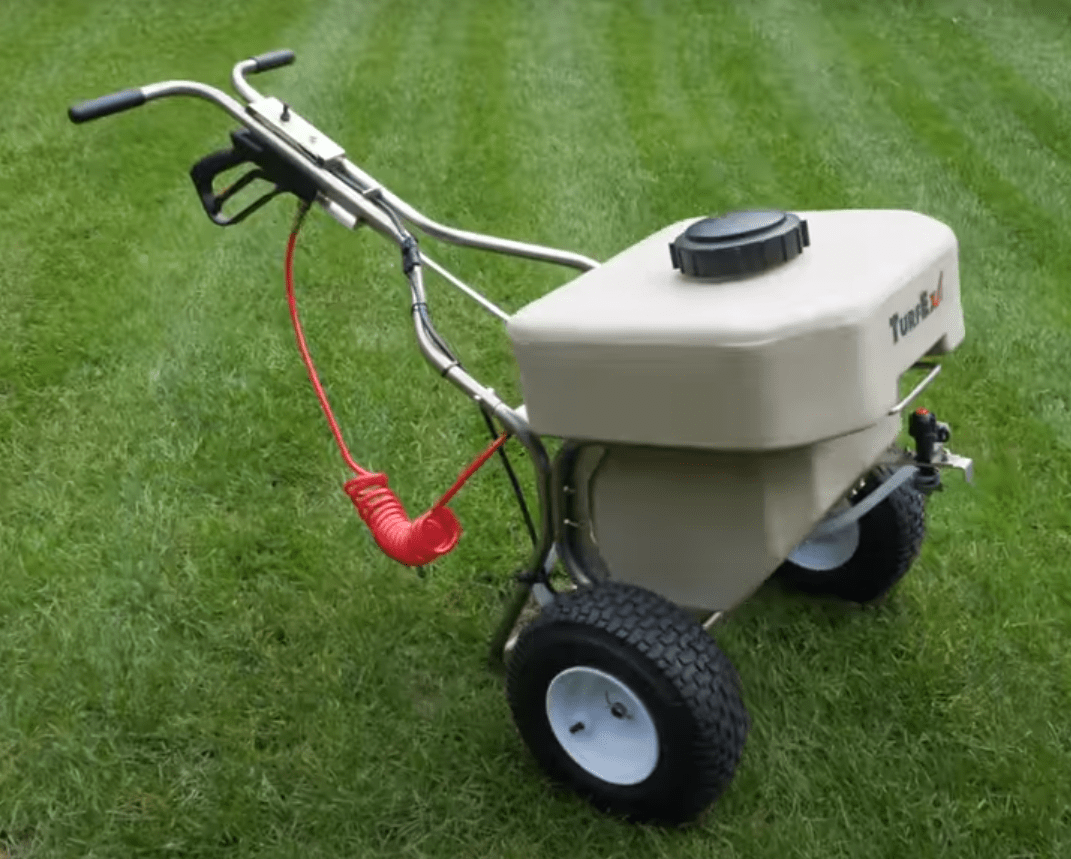
Every type has its unique method of application. Here’s a quick rundown:

- Liquid Humic Acid:
- Dilute the humic acid as per the product label.
- Use a hose-end sprayer or watering can for even distribution.
- Water lightly after application to ensure it reaches the soil.
- Granular Humic Acid:
- Use a broadcast spreader for an even application.
- Apply when the lawn is dry to prevent granules from sticking to wet grass.
- Water the lawn post-application.
- Humic Acid Capsules or Spikes:
- Push the spike or capsule into the ground at the recommended depth (usually around 2-4 inches).
- Place them at intervals suggested by the product guidelines.
Dosage Guidelines
- Less is More: Over-application can lead to waste and isn’t necessarily better. Always follow the product label’s recommendations. If in doubt, seek advice from a local nursery or a gardening buddy!
Frequency and Best Time to Apply
- Frequency: Typically, applying humic acid 2-3 times a year is sufficient—once in the spring to kickstart growth, once in the summer if needed, and once in the fall to prepare for winter.
- Best Time: Early morning or late afternoon are ideal. Avoid applying under the scorching midday sun, as it can cause stress to the grass.
Precautions and What to Avoid
- Over-application: Always adhere to recommended dosages. Too much of a good thing can backfire!
- Skipping Watering: Especially for granular forms, make sure you water your lawn post-application. This ensures the product seeps into the soil and doesn’t remain on the grass surface.
- Using Near Water Bodies: Avoid application near ponds, streams, or other water bodies. Let’s keep it eco-friendly!
Q&A Section
Time for some good old Q&A! Because, let’s face it, who doesn’t have a question or two—or twenty—when diving into something as earth-shattering as humic acid lawn care? So, let’s get those burning questions out in the open, shall we? 🔥
Q: Is humic acid safe for pets and children?
A: Ah, the burning question for every pet parent and actual parent! Generally, humic acid is considered safe for both pets and kiddos. However, as with any gardening product, it’s wise to keep Fluffy and Junior away from the lawn until you’ve watered the product in and it has had a chance to dry. Better safe than sorry!
Q: How quickly can I see results after applying humic acid?
A: We all love instant gratification, but patience is key here. The most immediate changes—like soil structure and water retention—may be noticeable within a few weeks. For other benefits like improved grass color and resilience, give it a full growth cycle (or season) to really shine.
Q: Can I use humic acid in combination with other lawn care products?
A: Absolutely! Humic acid plays well with others. You can combine it with fertilizers, pesticides, and even some herbicides. Just make sure to read the labels on all products and perhaps do a small patch test to ensure they’re compatible. No one likes an awkward dinner party, not even your soil.
Q: Are there any environmental concerns related to using humic acid?
A: Humic acid is generally eco-friendly and decomposes naturally. However, responsible usage is key. Overuse can lead to run-off, which we want to avoid for the sake of local water bodies. Always adhere to the recommended application rates.
Q: What happens if I overapply humic acid to my lawn?
A: Overdoing it with humic acid can lead to soil imbalances and may also affect water quality due to run-off. In extreme cases, it could cause “fertilizer burn” or grass discoloration. If you suspect you’ve gone a bit overboard, water the lawn thoroughly to dilute the product.
Conclusion
Well, green thumbs and aspiring lawn aficionados, you’re now equipped with the A-to-Z of humic acid for your lawn. This magical substance might not be the talk of your next garden party—but then again, maybe it should be!
From choosing the right type to mastering the art of application, and even sorting through the most asked questions, you’re all set to give your lawn the VIP treatment it deserves. Now, go on—make your neighbors green with lawn envy!
