
Creating a garden that invites and supports wildlife isn’t just about enhancing the beauty of your outdoor space—it’s about contributing to the health of our planet. By providing a sanctuary for birds, bees, butterflies, and other creatures, you can create a vibrant, lively ecosystem right in your backyard. Let’s dive into the steps to transform your garden into a haven for wildlife.
1. Start with Native Plants
Native plants are the foundation of a wildlife-friendly garden. They have evolved alongside local wildlife and are perfectly adapted to your region’s climate, soil, and wildlife needs. By planting natives, you’re ensuring a steady food source for local species and a garden that’s easier to maintain.
Benefits of Native Plants:
- Require less water and fewer chemicals.
- Provide food and shelter for local wildlife.
- Support the local ecosystem.
My Experience: I’ve noticed a significant increase in pollinators, like bees and butterflies, after introducing more native plants into my garden. It’s fascinating to see how quickly the wildlife responds!
2. Create Layers in Your Garden
Wildlife thrives in gardens that offer a variety of layers, from ground cover to tall trees. These layers provide different species with the resources they need, such as food, shelter, and nesting sites.
How to Layer Your Garden:
- Ground Cover: Start with plants that spread along the ground, like creeping thyme or clover.
- Mid-Level Plants: Add shrubs and smaller plants like lavender or sage.
- Tall Trees: Include a mix of deciduous and evergreen trees for year-round shelter.
3. Provide Water Sources
Water is essential for wildlife, especially during hot, dry periods. Adding water features to your garden can attract birds, frogs, insects, and other creatures.
Ideas for Water Features:
- Birdbaths: Keep them clean and filled with fresh water.
- Ponds: Even a small pond can attract frogs, dragonflies, and other aquatic life.
- Water Bowls: Place shallow dishes of water around the garden for insects and small mammals.
Pro Tip: Add some stones or sticks to your water features to provide landing spots for smaller creatures.
4. Offer Shelter and Nesting Sites
Wildlife needs safe places to hide from predators, rest, and raise their young. By providing a variety of shelters, you can encourage different species to make your garden their home.
Shelter Ideas:
- Birdhouses: Hang them in trees or on poles to attract nesting birds.
- Log Piles: A pile of logs or rocks can provide shelter for insects, amphibians, and small mammals.
- Hedges and Bushes: Dense vegetation offers hiding spots for birds and small animals.
5. Plant for All Seasons
To create a truly wildlife-friendly garden, it’s important to ensure that there’s something for wildlife to eat and use throughout the year. Plant a variety of species that bloom and fruit at different times.
Seasonal Planting Guide:
- Spring: Early-blooming flowers like crocuses provide nectar for bees just emerging from hibernation.
- Summer: Sunflowers and lavender attract pollinators during the peak growing season.
- Fall: Berry-producing shrubs like hawthorn or elderberry offer food for birds as they prepare for winter.
- Winter: Evergreen trees and shrubs provide shelter and food during the colder months.
6. Avoid Pesticides and Chemicals
Chemicals can be harmful to wildlife, even if they’re intended to protect your plants. Instead of reaching for pesticides, consider more natural methods of pest control.
Natural Pest Control Tips:
- Introduce Beneficial Insects: Ladybugs and lacewings can help control aphids and other pests.
- Use Companion Planting: Some plants, like marigolds, can deter pests naturally.
- Encourage Birds: Birds like sparrows and robins feed on insects that might otherwise damage your plants.
My Opinion: Since I stopped using pesticides, I’ve noticed a much healthier balance in my garden. The “bad” bugs are kept in check by the “good” ones, and the plants seem more resilient overall.
7. Be Patient and Observe
Creating a wildlife-friendly garden takes time, but the rewards are worth the wait. As your garden grows, you’ll notice more and more wildlife making their home there. Take the time to observe and enjoy the diversity of life in your garden.
Final Thoughts: Gardening for wildlife isn’t just about planting the right species—it’s about creating a space where nature can thrive. Whether you have a large yard or a small patio, every little bit helps. And as you watch birds build nests, butterflies flutter among the flowers, and bees buzz busily, you’ll know that your efforts are making a difference.
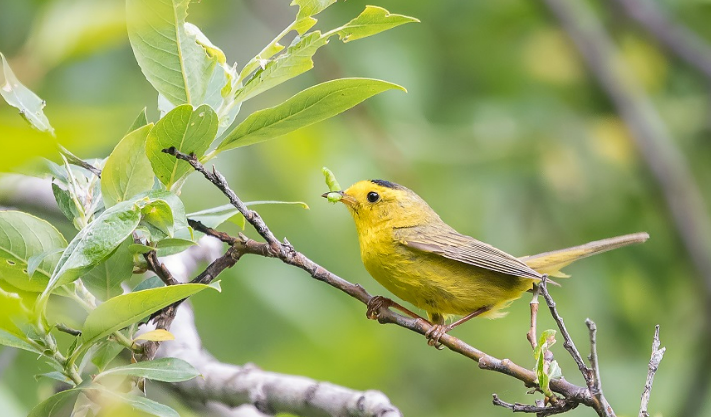
“The clearest way into the Universe is through a forest wilderness.” — John Muir
By following these steps, you’ll be well on your way to creating a garden that not only looks beautiful but also plays a vital role in supporting local wildlife. Happy gardening!
