
Planting a successful vegetable garden isn’t just about the right seeds or soil; timing plays a crucial role in ensuring that your crops thrive. Understanding the best time to plant different types of vegetables can mean the difference between a bountiful harvest and a garden that struggles to produce. Here’s everything you need to know to get your planting schedule just right.
1. Cool-Season Vegetables: Early Spring & Fall
Cool-season vegetables prefer cooler temperatures and can tolerate a light frost. These crops thrive when planted in early spring or fall, allowing them to mature before the summer heat or winter cold sets in.
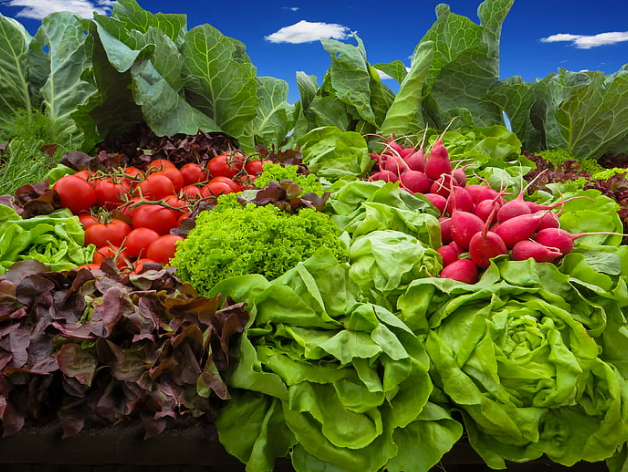
- Examples: Lettuce, spinach, peas, carrots, radishes, broccoli, and kale.
- Planting Tips:
- Start seeds indoors about 6-8 weeks before the last expected frost, then transplant them outdoors.
- Direct sowing is possible as soon as the soil can be worked in spring.
- Consider a second planting in late summer for a fall harvest.
Quote: “Timing is everything in gardening. Planting cool-season veggies at the right time gives them a head start before the heat sets in.”
2. Warm-Season Vegetables: Late Spring & Early Summer
Warm-season vegetables need both warm soil and air temperatures to thrive. These crops are often damaged by frost, so it’s crucial to plant them after the danger of frost has passed.
- Examples: Tomatoes, peppers, cucumbers, beans, corn, and squash.
- Planting Tips:
- Wait until the soil has warmed to at least 60°F (15°C) before planting seeds or seedlings.
- Consider using black plastic mulch to warm the soil faster in cooler climates.
- In very warm climates, you can plant a second crop in mid-summer for a fall harvest.
Opinion: “There’s nothing quite like biting into a homegrown tomato, but to get that perfect flavor, you need to be patient and wait until the soil is warm enough to plant.”
3. Perennial Vegetables: Plant Once, Harvest for Years
Perennial vegetables come back year after year with little maintenance. These are best planted in the fall or early spring, giving them time to establish strong roots before extreme weather sets in.
- Examples: Asparagus, rhubarb, artichokes, and horseradish.
- Planting Tips:
- Ensure the planting site is well-prepared, as these plants will remain in the same spot for several years.
- Mulch heavily in the first year to retain moisture and suppress weeds.
Footnote: Did you know? Asparagus can take up to three years to produce a full harvest, but once established, it can provide fresh spears for over 15 years!
4. Succession Planting: Maximize Your Harvest
Succession planting is the practice of planting a new crop as soon as the previous one has been harvested. This method keeps your garden productive throughout the growing season.
- Examples: After harvesting early peas, plant summer squash; follow up spring spinach with bush beans.
- Planting Tips:
- Choose quick-maturing crops for succession planting.
- Keep track of your garden’s planting and harvesting dates to make the most of your space.
Opinion: “Succession planting is my go-to strategy for getting the most out of my garden. It’s like having a grocery store in your backyard that’s always stocked with fresh produce.”
5. Winter Vegetables: Extend Your Growing Season
For those who can’t get enough of gardening, winter gardening is a great way to extend your growing season. With the right protection, many vegetables can be grown and harvested in winter.
- Examples: Brussels sprouts, parsnips, leeks, and winter cabbage.
- Planting Tips:
- Use cold frames, cloches, or row covers to protect crops from frost.
- Plant winter vegetables in late summer or early fall to give them time to establish before the first frost.
Quote: “Winter gardening may require a bit more effort, but the reward of fresh vegetables in the dead of winter is well worth it.”
By understanding the best time to plant different types of vegetables, you can plan your garden more effectively and enjoy a continuous harvest throughout the year. Remember, successful gardening is about being in tune with your local climate and adjusting your planting schedule accordingly. Happy gardening!
