
Sugar ants, those tiny, pesky intruders that can seem harmless at first, often turn into a major nuisance if left unchecked. As an enthusiastic gardener and homeowner, I’ve had my fair share of encounters with these sugar-seeking invaders. In this article, I’ll guide you through tried-and-true methods to rid your home and garden of sugar ants, while sharing my personal experiences and tips along the way.
Understanding Sugar Ants:
What Are Sugar Ants?
Sugar ants are a common term for several species of ants that are attracted to sugary substances. They’re often found in kitchens, pantries, and gardens, especially during warmer months when they’re actively searching for food.
Why They Invade
Ants are incredibly resourceful, and once they find a food source, they’ll communicate it to their colony. A few stray ants can quickly turn into a full-scale invasion. In my experience, they seem to have a sixth sense for finding even the smallest crumbs or spills.
Identifying the Problem:
Signs of a Sugar Ant Infestation
- Visible Trails: One of the first signs of a sugar ant infestation is the sight of long lines of ants marching across your floors, countertops, or walls.
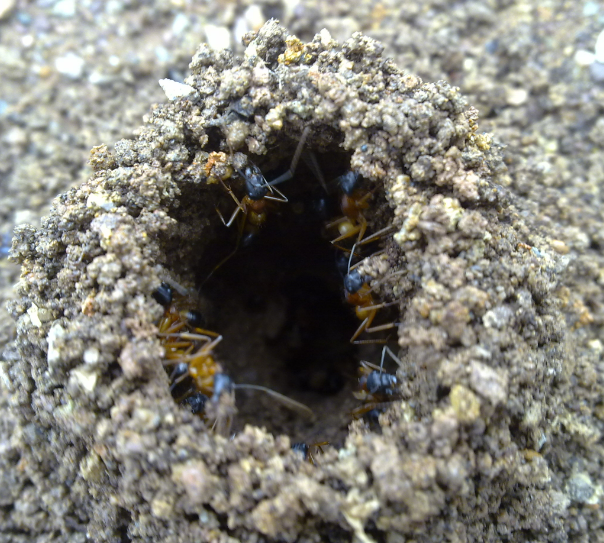
- Ant Nests: Outdoors, you might notice small mounds of dirt near your foundation, in your garden, or in other hidden spots.
- Food Contamination: If you’ve found ants in your sugar bowl, pantry, or even pet food dishes, you’ve got a sugar ant problem.
Prevention is Key:
Keep It Clean
The first and most crucial step in preventing sugar ants is to maintain a clean home and garden. I can’t emphasize this enough—sugar ants are opportunistic and will take advantage of any food source they find.
- Wipe Down Surfaces: Regularly clean your kitchen countertops, floors, and any areas where food is prepared or consumed.
- Store Food Properly: Keep sugary foods in airtight containers, and don’t leave fruit or sweets out in the open.
- Pet Food Management: Make sure pet food dishes are cleaned after each meal and stored securely.
Seal Entry Points
In my experience, sugar ants are masters at finding tiny cracks and crevices to enter your home. Inspect your home’s exterior for potential entry points and seal them with caulk or weatherstripping.
- Doors and Windows: Ensure that doors and windows close tightly and that any gaps are sealed.
- Pipes and Wires: Ants can also enter through gaps around pipes and wires. Use sealant to close these off.
Getting Rid of Sugar Ants:
Natural Remedies
As a gardener, I always prefer to start with natural solutions. They’re safer for the environment and your household, especially if you have pets or children.
- Vinegar Solution: Mix equal parts water and white vinegar in a spray bottle. Use this solution to clean surfaces where you’ve seen ants, or spray it directly on ant trails. The vinegar disrupts their scent trails, making it harder for them to find their way.
- Cinnamon: I’ve found that sprinkling ground cinnamon at entry points or along ant trails can deter sugar ants. They don’t like the smell and will avoid it.
- Essential Oils: Essential oils like peppermint, tea tree, and citrus are great natural ant repellents. Dilute a few drops in water and spray around windows, doors, and other entry points.
Chemical Solutions
If natural remedies don’t do the trick, it might be time to bring in some stronger options. Here’s what has worked for me:
- Ant Baits: These are an effective way to target the whole colony. Ants take the bait back to their nest, where it’s shared with the colony, eventually eliminating it. Place baits near ant trails, but out of reach of pets and children.
- Insecticidal Sprays: Use these as a last resort for particularly stubborn infestations. Spray around the perimeter of your home and in areas where you’ve seen heavy ant activity.
Long-Term Maintenance:
Regular Inspections
Even after you’ve gotten rid of sugar ants, it’s essential to stay vigilant. I recommend conducting regular inspections around your home and garden, especially during the warmer months.
- Check for New Nests: Look for any signs of new ant nests in your garden or around your home’s foundation.
- Reapply Natural Repellents: If you’re using natural remedies, reapply them periodically to keep ants at bay.
Landscaping Tips
Your garden can be a sanctuary, but it can also be an ant magnet if not properly maintained. Here are some landscaping tips to minimize the risk of sugar ants:
- Trim Back Vegetation: Keep shrubs and trees trimmed back from your home’s exterior. Ants use these as bridges to enter your house.
- Mulch Carefully: While mulch is great for your garden, it can also provide a perfect nesting ground for ants. Keep mulch away from your home’s foundation.
Personal Experience:
I remember a particularly frustrating summer when sugar ants seemed to have declared war on my kitchen. Despite my best efforts to keep the kitchen spotless, they kept finding their way in. It wasn’t until I combined natural remedies with sealing up every tiny crack I could find that I finally won the battle. It was a lesson in persistence, but the payoff was well worth it.
Conclusion:
Getting rid of sugar ants requires a combination of cleanliness, prevention, and persistence. Whether you opt for natural remedies or chemical solutions, the key is to act quickly and stay vigilant. Remember, a clean home and well-maintained garden are your best defenses. With these tips and a little patience, you can reclaim your space from these sweet-seeking pests.
I hope you find these tips helpful in your battle against sugar ants.
