
The Pink Dogwood tree is a showstopper in any garden. Its delicate pink blossoms in spring, lush green foliage in summer, and stunning red leaves in autumn make it a year-round favorite. But growing this beauty isn’t just about planting and walking away. It requires a gardener’s touch—a mix of love, patience, and the right know-how. In this article, I’ll share everything you need to know about planting, growing, and maintaining a Pink Dogwood tree, drawing from my own experience as an enthusiastic gardener.
1. Why Choose a Pink Dogwood Tree?
Aesthetic Appeal
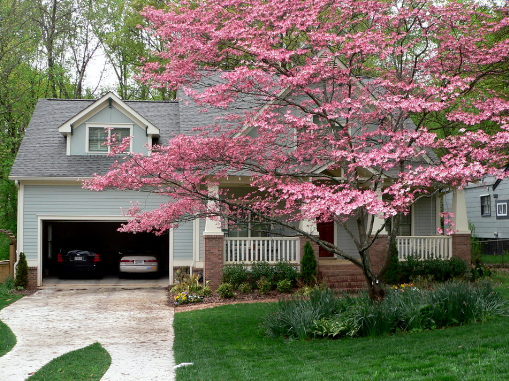
The Pink Dogwood tree, Cornus florida, is celebrated for its breathtaking blooms. In spring, the tree is covered in clusters of pink flowers, creating a spectacle that brightens up any landscape. It’s the kind of tree that draws admiring glances from neighbors and visitors alike.
Personal Note: I remember the first time I saw a Pink Dogwood in full bloom—it was love at first sight. I knew then that I had to have one in my garden!
Seasonal Interest
One of the joys of gardening is having plants that change with the seasons, and the Pink Dogwood doesn’t disappoint. After the flowers fade, the tree’s deep green leaves take over, providing a lush backdrop throughout summer. Come autumn, those leaves turn a rich red, adding a final burst of color before winter.
Wildlife Attraction
Beyond its beauty, the Pink Dogwood is a boon for wildlife. Birds love the tree’s red berries, which appear in late summer and last into fall. If you’re a bird-watcher like me, you’ll appreciate the extra visitors in your garden.
2. Planting Your Pink Dogwood Tree
Choosing the Right Location
The first step to a healthy Pink Dogwood is picking the right spot. This tree thrives in partial shade, where it can get morning sun and afternoon shade. Avoid areas with harsh, direct sunlight all day, as this can stress the tree and reduce its bloom potential.
Soil Requirements
Dogwoods prefer well-drained, slightly acidic soil. If your soil is clay-heavy, consider amending it with compost to improve drainage. A soil pH between 5.5 and 6.5 is ideal. Testing your soil before planting can save you headaches down the road.
Gardener’s Tip: I always test my soil before planting anything new. It’s a small step that makes a big difference.
Planting Steps
- Dig the Hole: Dig a hole twice as wide as the root ball and just as deep.
- Prepare the Root Ball: Loosen the roots gently if they’re tightly bound.
- Place the Tree: Position the tree in the hole, making sure it’s straight.
- Backfill: Fill the hole with the original soil, packing it down lightly to remove air pockets.
- Water Thoroughly: Give the tree a deep watering to help settle the soil around the roots.
- Mulch: Apply a 2-3 inch layer of mulch around the base, keeping it away from the trunk to prevent rot.
3. Caring for Your Pink Dogwood Tree
Watering
Newly planted Dogwoods need regular watering, especially during dry spells. Aim to keep the soil consistently moist but not waterlogged. Established trees are more drought-tolerant but still appreciate a good soak during hot, dry periods.
Personal Experience: My Dogwood struggled its first summer until I figured out the right watering schedule. Now, I make sure to check the soil moisture regularly.
Fertilizing
Dogwoods aren’t heavy feeders, but a little boost in early spring can help promote healthy growth and vibrant blooms. Use a balanced, slow-release fertilizer, or apply a layer of compost around the base.
Pruning
Pruning isn’t a major concern with Dogwoods, but a little maintenance goes a long way. Remove any dead or diseased branches in late winter. This not only keeps the tree healthy but also improves air circulation, reducing the risk of fungal diseases.
4. Common Issues and Solutions
Powdery Mildew
One of the most common problems with Pink Dogwoods is powdery mildew, a fungal disease that causes a white, powdery coating on the leaves. It’s more of an aesthetic issue than a serious threat, but it can weaken the tree over time.
Solution: Improve air circulation by pruning, water the tree at the base (not the leaves), and consider using a fungicide if the problem persists.
Leaf Spot
Another common issue is leaf spot, caused by various fungi. It appears as small, dark spots on the leaves and can cause early leaf drop.
Solution: Remove and dispose of affected leaves, keep the area around the tree clean, and apply a fungicide if necessary.
Gardener’s Note: Keeping an eye on your tree and catching problems early is key. I’ve found that a little vigilance goes a long way in keeping my Dogwood healthy.

The Pink Dogwood tree is more than just a plant—it’s a statement piece that brings beauty and wildlife to your garden. With the right care, it can thrive for years, providing joy through all seasons. Whether you’re a seasoned gardener or just starting out, adding a Pink Dogwood to your landscape is a decision you won’t regret.
Final Thought: Every time I see my Pink Dogwood in bloom, I’m reminded of why I love gardening. It’s about creating something beautiful and nurturing it through the seasons. I hope this guide inspires you to add a Pink Dogwood to your garden and experience the same joy I have.
