
Fungus gnats can be a gardener’s worst nightmare. These tiny, pesky flies thrive in moist soil and can quickly overrun your houseplants, causing damage to roots and spreading diseases. But what if I told you there’s a simple, effective solution lurking in your medicine cabinet? That’s right—hydrogen peroxide! In this article, I’ll share my personal experience using hydrogen peroxide to combat fungus gnats and guide you through the process of reclaiming your plants from these relentless invaders.
Understanding Fungus Gnats
Before we dive into the solution, it’s important to understand the problem. Fungus gnats are small, dark flies that resemble fruit flies. They’re most often found around houseplants, thriving in the damp soil where they lay their eggs. The larvae feed on organic matter in the soil, including plant roots, which can lead to stunted growth and even plant death if left unchecked.
Signs of Fungus Gnat Infestation:
- Tiny black flies hovering around your plants.
- Yellowing or wilting leaves.
- Slow plant growth.
- Visible larvae in the soil.
Why Hydrogen Peroxide?
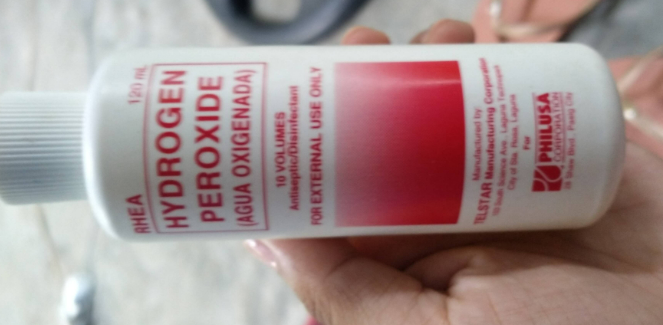
Hydrogen peroxide (H2O2) is a compound often used for cleaning wounds, but it has a secret use in the gardening world. When used correctly, hydrogen peroxide can effectively kill fungus gnat larvae in the soil without harming your plants. It works by releasing oxygen when it comes into contact with organic matter, which helps to kill off the larvae and also promotes healthier root growth.
How to Use Hydrogen Peroxide to Kill Fungus Gnats
Here’s the method I’ve found to be most effective in my own garden:
1. Prepare the Solution
Mix one part 3% hydrogen peroxide with four parts water. This dilution is strong enough to kill the larvae but gentle enough not to harm your plants.
2. Apply to Soil
Water your plants with the hydrogen peroxide solution as you normally would. Make sure to drench the soil thoroughly, as the solution needs to reach the larvae hiding below the surface.
3. Repeat as Needed
You might need to repeat this treatment every few days for a week or two, depending on the severity of the infestation. In my experience, one or two applications usually do the trick, but persistent infestations might require more attention.
Additional Tips and Tricks
While hydrogen peroxide is a fantastic weapon against fungus gnats, there are a few other steps you can take to keep these pests at bay:
- Allow Soil to Dry: Fungus gnats thrive in moist conditions, so letting the top inch of soil dry out between waterings can help deter them.
- Use Sticky Traps: Yellow sticky traps are great for catching adult gnats, preventing them from laying more eggs.
- Bottom Watering: Watering from the bottom can help keep the soil surface dry, making it less attractive to gnats.
My Experience with Hydrogen Peroxide
I’ll be honest—I was skeptical when I first heard about using hydrogen peroxide for fungus gnats. It seemed too simple. But after struggling with these pests for months, I was willing to try anything. To my surprise, it worked like a charm! Within a few days of applying the solution, I noticed a significant reduction in the number of gnats, and my plants started to bounce back.
Common Questions
Is Hydrogen Peroxide Safe for All Plants?
Yes, when used in the proper dilution, hydrogen peroxide is safe for most houseplants and garden plants. However, I recommend testing the solution on a small section of soil first if you’re concerned about sensitive plants.
How Often Should I Use Hydrogen Peroxide?
You can use the hydrogen peroxide solution whenever you notice an infestation. It’s also a good idea to use it as a preventative measure every few weeks, especially during the warmer months when gnats are most active.
Conclusion:
Fungus gnats can be a frustrating problem, but with a little help from hydrogen peroxide, you can protect your plants and keep these pests at bay. This method has been a game-changer in my gardening routine, and I hope it works just as well for you. Give it a try, and don’t forget to share your results!
Quote:
“Gardening is all about experimentation, and sometimes the simplest solutions are the most effective.”
Footnote:
Remember, while hydrogen peroxide is effective, maintaining a healthy balance of moisture in your soil is key to preventing fungus gnats from returning. Happy gardening!
