
How to Care for Watermelon Peperomia: A Gardener’s Guide to Vibrant Leaves and Happy Plants
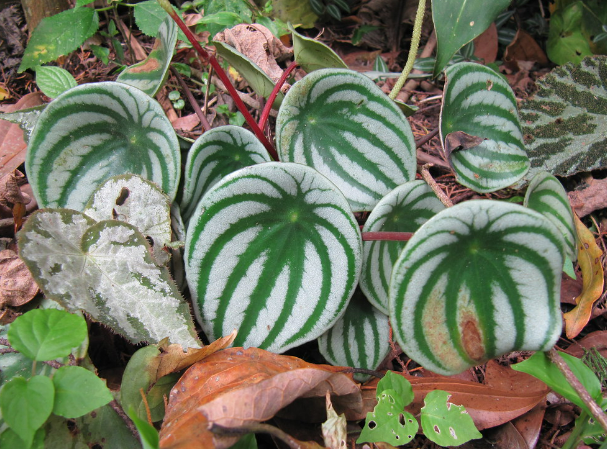
Watermelon Peperomia, with its striking foliage that resembles the rind of a watermelon, is a favorite among houseplant enthusiasts. But caring for this beauty requires some know-how. As an enthusiastic gardener who’s spent years tending to both indoor and outdoor plants, I’m here to share my insights on how to keep your Watermelon Peperomia thriving.
Understanding Watermelon Peperomia
Before diving into the care specifics, it’s essential to understand what makes Watermelon Peperomia unique. Known scientifically as Peperomia argyreia, this plant hails from South America’s tropical regions. It’s a compact, easy-to-grow plant, making it perfect for both beginners and experienced gardeners.
Ideal Light Conditions
One of the most critical factors for Watermelon Peperomia care is light. These plants prefer bright, indirect light. Direct sunlight can scorch their leaves, while too little light can dull the vibrant colors. I’ve found that placing mine near an east or north-facing window works wonders. If you notice the leaves losing their sheen, consider moving the plant to a brighter spot.
Tip: If your home doesn’t get a lot of natural light, don’t worry! Watermelon Peperomia can adapt to low light conditions, although they might not grow as quickly.
Watering Your Watermelon Peperomia
Watering is another crucial aspect of care. Overwatering is the most common mistake, leading to root rot. The rule of thumb is to let the top inch of soil dry out between waterings. I typically water mine once a week in the summer and reduce it to every two weeks during winter. Always use a pot with drainage holes to prevent water from accumulating at the bottom.
My Experience: I’ve learned that Watermelon Peperomia is pretty forgiving when it comes to a missed watering or two. However, they’re not fans of soggy soil, so it’s better to err on the side of underwatering.
Humidity and Temperature Preferences
Coming from tropical regions, Watermelon Peperomia enjoys a bit of humidity but can still thrive in typical household conditions. If your home is particularly dry, especially in winter, consider placing the plant on a pebble tray filled with water or using a room humidifier.
As for temperature, they prefer a range between 60°F and 80°F. Avoid placing them near drafts, heaters, or air conditioners, as sudden temperature changes can stress the plant.
Soil and Fertilization
A well-draining soil mix is key. I like to use a mix designed for succulents or combine regular potting soil with perlite. This ensures that the roots have enough air circulation and aren’t sitting in water.
When it comes to fertilization, Watermelon Peperomia isn’t a heavy feeder. A balanced liquid fertilizer, diluted to half strength, applied every month during the growing season (spring and summer) is sufficient. I skip fertilizing in the fall and winter when the plant’s growth naturally slows down.
Pruning and Propagation
Pruning isn’t necessary, but you can trim back any leggy growth to maintain a bushy appearance. I’ve also found that propagating Watermelon Peperomia is incredibly rewarding. Simply cut a healthy leaf with its stem and place it in water or directly into soil. Within a few weeks, you should see new roots forming.
My Success Story: I propagated my first Watermelon Peperomia three years ago, and it’s now a thriving, full-grown plant that I’ve gifted to several friends!
Common Problems and Solutions
While Watermelon Peperomia is generally easy to care for, it’s not immune to problems. Here are a few issues you might encounter:
- Yellowing Leaves: This is often a sign of overwatering. Check your watering schedule and ensure the pot has proper drainage.
- Drooping Leaves: This can indicate both underwatering and overwatering. Assess the soil moisture to determine the cause.
- Pests: While not particularly prone to pests, Watermelon Peperomia can occasionally attract spider mites or mealybugs. I recommend wiping the leaves with a damp cloth regularly and using insecticidal soap if necessary.
Final Thoughts
Caring for Watermelon Peperomia is a delightful experience, especially when you see those striking leaves flourish. It’s a plant that’s both forgiving and rewarding, making it a perfect addition to any indoor garden. Whether you’re a seasoned gardener or a newbie, following these care tips will ensure your Watermelon Peperomia stays healthy and vibrant.
Quote: “Gardening is about learning, experimenting, and sharing knowledge. Watermelon Peperomia has taught me patience and the joy of watching a plant thrive with just the right care.”
Happy gardening!
