
Mushrooms can be a surprising and often unwelcome sight in your garden mulch. While some may see them as harmless or even beneficial, many gardeners view them as unsightly and potentially problematic. Whether you’re dealing with a few stubborn fungi or a full-blown mushroom invasion, knowing how to get rid of mushrooms in mulch is essential for maintaining a pristine and healthy garden.
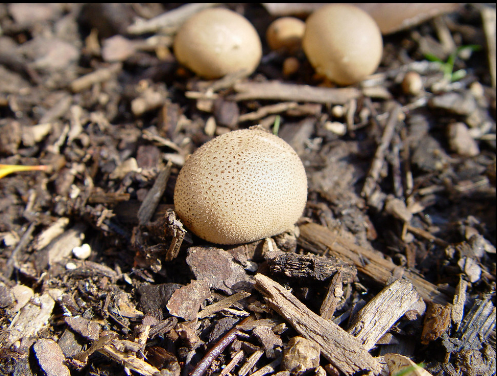
Understanding Mushrooms in Mulch
Why Do Mushrooms Grow in Mulch?
Mushrooms are the fruiting bodies of fungi that thrive in damp, organic-rich environments. Mulch, especially organic types like wood chips or straw, provides the perfect breeding ground for these fungi. The combination of moisture, decaying organic material, and shade creates an ideal habitat for mushrooms to flourish.
- Decomposition Process: As mulch breaks down, it releases nutrients that fungi feed on, leading to the appearance of mushrooms.
- Moisture Levels: Overwatering or heavy rainfall can create overly damp conditions that encourage mushroom growth.
- Shady Spots: Mulch in shaded areas is more prone to mushroom development since it retains moisture longer.
Are Mushrooms in Mulch Harmful?
Potential Risks of Mushrooms in Your Garden
While most garden mushrooms are not harmful to plants, some can pose risks to pets, children, or the overall aesthetic of your garden.
- Toxic Varieties: Some mushrooms can be poisonous if ingested, posing a risk to pets or young children who might be tempted to explore.
- Aesthetic Concerns: For many gardeners, mushrooms disrupt the neat and tidy appearance they work hard to maintain.
- Sign of Excess Moisture: Persistent mushrooms can indicate that your garden is retaining too much moisture, which could lead to other issues like root rot.
How to Get Rid of Mushrooms in Mulch
Removing Existing Mushrooms
When dealing with a current mushroom problem, the first step is to remove the existing fungi safely and effectively.
- Hand-Picking: Use gloves to carefully pick mushrooms out of the mulch. Ensure you remove the entire mushroom, including the base, to prevent regrowth.
- Disposal: Dispose of the mushrooms in a sealed bag and throw them away. Avoid composting them, as this could spread spores.
- Raking: Regularly rake your mulch to disrupt the mushroom’s growth. This also helps aerate the mulch and dry it out.
Preventing Future Growth
After removing the current mushrooms, you’ll want to take steps to prevent them from coming back.
- Adjust Watering Practices: Reduce watering frequency, especially in shaded areas where moisture tends to linger. Water in the morning to allow the mulch to dry out during the day.
- Increase Sunlight Exposure: If possible, trim back any overhanging branches or plants that are creating excessive shade. More sunlight can help dry out the mulch and deter fungal growth.
- Mulch Replacement: If mushrooms continue to be a problem, consider replacing your mulch with a fresh layer or switching to a different type of mulch less prone to fungal growth, such as rubber mulch or stone.
Natural Remedies for Mushroom Control
Using Household Items to Deter Mushrooms
For those who prefer natural methods, several household items can help keep mushrooms at bay.
- Baking Soda: Sprinkling baking soda on the mulch can raise the pH level, making it less hospitable for mushrooms. Simply dissolve a few tablespoons of baking soda in a gallon of water and apply it to the affected areas.
- Vinegar Solution: A diluted vinegar solution can also work to kill mushrooms. Mix one part vinegar with four parts water and spray directly on the mushrooms. Be cautious, as vinegar can harm plants if applied in excess.
Long-Term Mulch Management
Maintaining a Mushroom-Free Mulch
Keeping mushrooms out of your mulch requires ongoing attention and care.
- Regular Mulch Turning: Periodically turning over the mulch helps to aerate it and reduce moisture build-up, making it less attractive to fungi.
- Thin Mulch Layer: Applying mulch too thickly can trap moisture, so aim for a layer no more than 2-3 inches deep.
- Monitor for Changes: Keep an eye on your mulch, especially after heavy rain or during humid weather. Early intervention can prevent mushrooms from spreading.
Author’s Experience and Opinion
As an enthusiastic gardener, I’ve had my share of battles with mulch mushrooms. In my experience, the key to keeping them at bay is a combination of vigilant maintenance and understanding the conditions that promote their growth. Regularly turning the mulch and adjusting watering practices made a significant difference in my garden. While it can be tempting to try more aggressive chemical treatments, I’ve found that natural methods and good garden hygiene are often just as effective—and much safer for your plants and the environment.
Conclusion: Getting rid of mushrooms in mulch is a matter of addressing both the symptoms and the underlying causes. By removing existing mushrooms, adjusting your garden’s environment, and staying vigilant, you can enjoy a clean, mushroom-free garden all year round. Remember, the best approach combines practical solutions with a little patience, ensuring your mulch remains an attractive and beneficial part of your garden.
