
Caring for a sensitive plant, also known as Mimosa pudica, can be both a joy and a challenge. This unique plant, famous for its ability to fold its leaves when touched, requires specific care to thrive. In this article, we’ll explore everything you need to know about sensitive plant care, from understanding its natural habitat to mastering watering and light requirements.
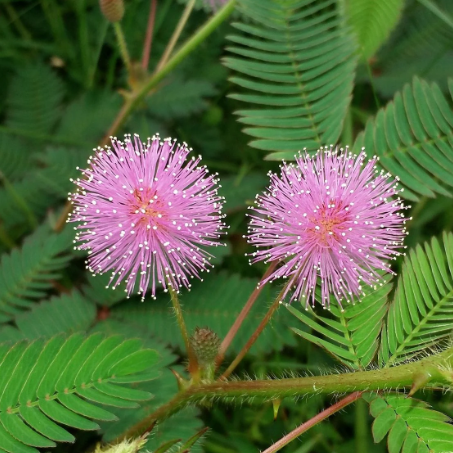
Understanding the Sensitive Plant
The sensitive plant, Mimosa pudica, is native to tropical regions, where it grows as a perennial. In most temperate climates, it’s grown as an annual or kept as a houseplant. Its most captivating feature is its response to touch: the leaves fold inward as a defense mechanism, which makes it a favorite among plant enthusiasts.
Why Does It React to Touch?
The sensitive plant’s leaf movement is a result of rapid water loss from cells in response to touch, vibration, or heat. This movement is believed to be a defense strategy to deter herbivores. The plant’s rapid response is not only fascinating to watch but also a unique adaptation that sets it apart from other plants.
Ideal Growing Conditions
To successfully grow a sensitive plant, it’s crucial to replicate its native environment as closely as possible.
Light Requirements
Sensitive plants thrive in bright, indirect light. They enjoy a lot of sunlight but can be sensitive to direct afternoon sun, which can scorch the leaves.
- My experience: I’ve found that placing the plant near a south-facing window, filtered through a sheer curtain, provides the perfect amount of light.
Temperature and Humidity
Sensitive plants prefer warm temperatures between 70°F and 85°F. They are also humidity lovers, so maintaining a humid environment is key to their well-being.
- Humidity Tip: Consider using a humidity tray or placing the plant in a naturally humid area like a bathroom. If the air in your home is dry, a humidifier can work wonders.
Soil and Potting
Well-draining soil is a must for Mimosa pudica. A standard potting mix with added perlite or sand ensures that the roots won’t sit in water, which can lead to root rot.
- Potting Tip: I like to use a pot with drainage holes to prevent water from accumulating at the bottom. Repotting annually helps keep the plant healthy, especially if it’s been thriving and needs more space.
Watering Guidelines
Watering a sensitive plant can be a balancing act. They prefer consistently moist soil, but overwatering can be detrimental.
How Often to Water
During the growing season (spring and summer), keep the soil consistently moist but not soggy. In the cooler months, reduce watering to prevent the roots from sitting in wet soil.
- My Watering Routine: I water my sensitive plant once the top inch of soil feels dry to the touch. In the winter, I let it dry out a bit more between waterings.
Signs of Overwatering and Underwatering
- Overwatering: Yellowing leaves and a drooping plant are signs of overwatering. Check the soil for sogginess and adjust your watering schedule.
- Underwatering: Crispy, brown leaf tips indicate that your plant needs more water. Increase the frequency slightly, but avoid letting the soil become waterlogged.
Fertilizing Your Sensitive Plant
Sensitive plants benefit from regular feeding during the growing season. A balanced, water-soluble fertilizer works well, applied every two weeks from spring through early fall.
Fertilizer Tips
- Dilute the Fertilizer: To prevent fertilizer burn, I always dilute it to half the recommended strength.
- Skip Winter Feeding: During the plant’s dormant period in winter, it’s best to hold off on fertilizing altogether.
Pruning and Maintenance
Pruning helps maintain the shape of your sensitive plant and encourages bushier growth. Regularly remove any dead or yellowing leaves to keep the plant healthy and looking its best.
How to Prune
Use clean, sharp scissors or pruning shears to cut back leggy growth. I typically prune my plant in early spring to shape it and remove any winter damage.
- Personal Insight: I’ve noticed that pruning not only improves the plant’s appearance but also stimulates new growth, making the plant fuller and more vibrant.
Common Pests and Problems
Like all plants, Mimosa pudica is susceptible to pests and diseases. Common issues include spider mites, aphids, and fungal infections.
Dealing with Pests
- Spider Mites: These tiny pests can cause the leaves to become speckled and discolored. I usually wipe the leaves with a damp cloth and use insecticidal soap if the infestation is severe.
- Aphids: If you notice sticky residue on the leaves, aphids might be the culprit. A gentle spray of water or neem oil can help keep them at bay.
Fungal Issues
Overwatering and poor air circulation can lead to fungal problems like root rot. Ensure that your plant has good airflow and avoid letting it sit in water.
- Preventive Measures: I’ve learned that placing a small fan near the plant can help improve air circulation, especially in humid environments.
Propagating Your Sensitive Plant
Propagating a sensitive plant is a fun way to expand your collection or share it with friends. The most common method is by seed.
How to Propagate by Seed
- Seed Soaking: Soak the seeds in warm water for 24 hours before planting to help with germination.
- Planting: Sow the seeds in a well-draining potting mix and keep them warm and moist. Germination typically occurs within two weeks.
- My Experience: I’ve had great success propagating Mimosa pudica this way. Watching the tiny seedlings grow and develop their characteristic leaf movement is incredibly rewarding.
Final Thoughts
Caring for a sensitive plant is a delightful experience for any plant enthusiast. With the right conditions and care, Mimosa pudica can thrive and become a fascinating addition to your indoor garden. Whether you’re drawn to its unique movement or its lush foliage, this plant is sure to bring joy and wonder to your home.
