
Starting seeds indoors is an exciting step toward growing a thriving garden, but knowing when to move seedlings from the tray is crucial to their survival. Transplanting too early or too late can stress your young plants and set them back. In this guide, we’ll explore the ideal time to make the move and how to ensure a smooth transition for your seedlings.
Understanding the Right Time to Move Seedlings
The Importance of Timing
Timing is everything when it comes to transplanting seedlings. Moving them too early can expose them to harsh conditions they’re not ready for, while waiting too long can cause them to become root-bound or stunted.
Signs Your Seedlings Are Ready to Move
Before you start moving your seedlings from their trays, look for these signs that they’re ready:
- True Leaves: The appearance of the first set of true leaves, which differ from the initial seed leaves, is a good indicator.
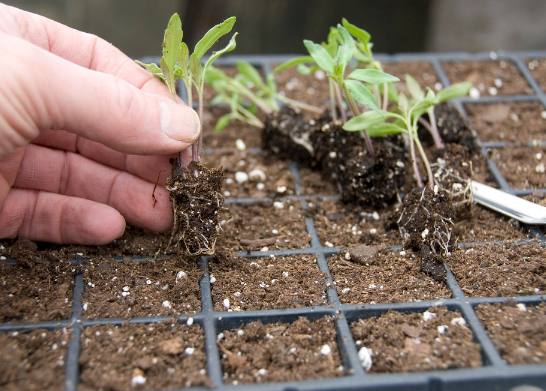
- Root Growth: Gently lift the seedling and check the root system. Healthy white roots should be visible but not wrapping around the bottom of the tray.
- Height and Strength: Seedlings should be sturdy and upright, usually about 2-3 inches tall. Weak or leggy seedlings may need more time.
Weather Considerations
Your seedlings are sensitive to the outside environment. Ensure the risk of frost has passed and that the daytime temperatures are consistently warm enough for your plants to thrive. A good rule of thumb is to wait until nighttime temperatures are above 50°F (10°C) for most plants.
Preparing for the Move
Hardening Off
One of the most important steps before transplanting is hardening off. This process involves gradually acclimating your seedlings to outdoor conditions over a week or two. Start by placing them outside in a shaded, protected area for a few hours each day, gradually increasing their exposure to sunlight and wind.
Preparing the Soil
Ensure your garden soil is well-prepared before transplanting. It should be loose, well-draining, and rich in organic matter. I like to mix in compost or well-rotted manure to provide a nutrient boost for the young plants.
Watering Seedlings
Water your seedlings thoroughly the day before transplanting. Moist soil helps reduce transplant shock and makes it easier to remove them from the trays without damaging the roots.
The Process of Moving Seedlings
Carefully Removing Seedlings
To avoid damaging your seedlings, gently squeeze the tray to loosen the soil around the roots. I find it helpful to use a small spoon or a dibber to lift the seedlings out, ensuring you handle them by the leaves rather than the stems.
Transplanting Seedlings into the Garden
Once your seedlings are removed from the tray, transplant them into your prepared garden bed or containers:
- Planting Depth: Dig a hole deep enough to accommodate the seedling’s roots. Plant them at the same depth they were in the tray, or slightly deeper for leggy plants.
- Spacing: Be sure to follow the recommended spacing for each plant variety. Crowding can lead to competition for resources and increase the risk of disease.
- Firming the Soil: Gently firm the soil around the roots to eliminate air pockets and provide stability.
Watering After Transplanting
After transplanting, water the seedlings thoroughly to help settle the soil around the roots and reduce transplant shock. I usually water with a diluted liquid fertilizer to give the seedlings a gentle nutrient boost.
Post-Transplant Care
Mulching
Applying a layer of mulch around your seedlings helps retain soil moisture, regulate temperature, and suppress weeds. I prefer organic mulches like straw or shredded leaves, as they also improve the soil as they decompose.
Monitoring for Stress
In the first few days after transplanting, keep an eye on your seedlings for signs of stress, such as wilting or yellowing leaves. If necessary, provide temporary shade or wind protection until the plants establish themselves.
Continued Watering and Feeding
Young plants need consistent moisture to thrive, especially in the early stages after transplanting. Water regularly, ensuring the soil stays evenly moist but not waterlogged. As the plants grow, you can gradually reduce the frequency of watering.
My Experience with Transplanting Seedlings
I’ve learned over the years that patience is key when it comes to transplanting seedlings. Rushing the process can lead to setbacks, but waiting for the right moment pays off with strong, healthy plants. I always remind myself that gardening is as much about timing as it is about technique. Watching my seedlings thrive in their new environment is one of the most rewarding parts of gardening.
Moving seedlings from the tray to the garden is a critical step in your gardening journey. By paying attention to the timing, preparing the soil, and providing the right care, you can set your young plants up for success. Remember, the more care you take in this stage, the more likely you are to enjoy a bountiful and beautiful garden in the months to come. Happy gardening!
