
Romaine lettuce is a kitchen staple, known for its crisp texture and refreshing taste. But did you know that you can regrow romaine lettuce in soil from a leftover stalk? This not only saves money but also ensures you have a continuous supply of fresh, home-grown greens. As an enthusiastic gardener, I’ve experimented with regrowing romaine lettuce and found it to be both fun and rewarding. Let’s dive into how you can do it too!
Why Regrow Romaine Lettuce in Soil?
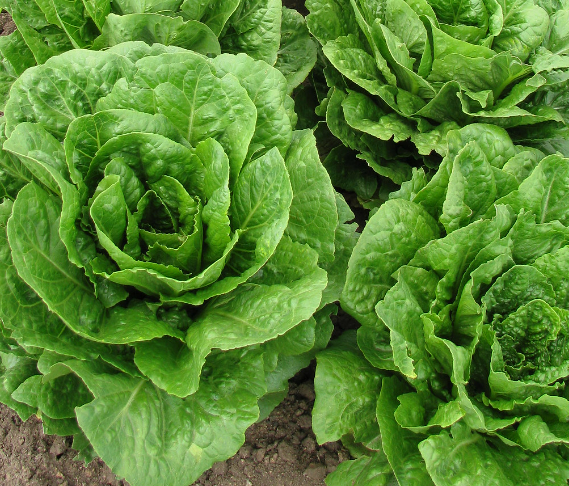
Regrowing romaine lettuce in soil is a sustainable practice that reduces waste and enhances your gardening skills. Instead of tossing out the base of the lettuce, you can use it to produce more leafy greens. Plus, home-grown lettuce tends to be more flavorful and nutritious than store-bought options.
Preparing the Lettuce Stump for Regrowth
Before planting the lettuce stump, it’s crucial to prepare it properly to ensure successful regrowth.
Selecting the Right Stump
Choose a romaine lettuce stump that is healthy and firm. The stump should be about 2-3 inches long with visible, intact roots at the base. Avoid stumps that are slimy, discolored, or damaged, as these may not regrow well.
Soaking the Stump
Place the stump in a shallow bowl of water, with the root end submerged and the cut end facing up. Leave it in a sunny spot, such as a windowsill, for about a week. During this time, you should see new roots and leaves beginning to form.
Author’s tip: Change the water every two days to keep it fresh and prevent mold growth.
Planting Romaine Lettuce in Soil
Once your stump has developed roots and small leaves, it’s time to plant it in soil.
Choosing the Right Soil
Romaine lettuce thrives in well-draining, nutrient-rich soil. A good mix of garden soil, compost, and perlite or sand will create the ideal environment for your lettuce to grow. If you’re planting in a garden bed, ensure the soil is loose and free of debris.
Planting Process
- Dig a Small Hole: Make a hole in the soil deep enough to accommodate the stump’s roots.
- Place the Stump: Gently place the stump into the hole, covering the roots and base with soil. The leaves should be above the soil line.
- Water Thoroughly: Water the newly planted stump thoroughly, ensuring the soil is evenly moist but not waterlogged.
Caring for Your Regrown Lettuce
Proper care is essential to ensure your romaine lettuce thrives.
Sunlight Requirements
Romaine lettuce needs plenty of sunlight to grow well. Aim for at least 6 hours of direct sunlight per day. If you’re growing indoors, place the plant near a sunny window or under grow lights.
Watering Tips
Keep the soil consistently moist but avoid overwatering. Lettuce roots are shallow, so they need regular watering, especially during hot, dry weather. Water at the base of the plant to minimize the risk of disease.
Author’s Experience: I’ve found that using a drip irrigation system or a soaker hose works best for maintaining even moisture levels in the soil.
Harvesting Your Regrown Romaine Lettuce
Your romaine lettuce should be ready for harvest in about 4-6 weeks, depending on growing conditions.
How to Harvest
When the outer leaves reach about 4-6 inches long, you can start harvesting. Gently cut the leaves from the outer edge, leaving the inner leaves and core intact. This method allows the plant to continue growing, providing multiple harvests.
Continuous Harvesting
By regularly harvesting the outer leaves, you can enjoy fresh lettuce for several weeks. Once the plant starts to bolt (when it sends up a flower stalk), the leaves will become bitter. At this point, you can either let the plant go to seed or remove it and start the process over with a new stump.
Common Issues and Solutions
Even with the best care, you might encounter some challenges when regrowing romaine lettuce.
Pests and Diseases
Aphids, slugs, and mildew can be problematic for lettuce. To prevent these issues, keep the garden area clean, use natural repellents like neem oil, and ensure good air circulation around the plants.
Bolting
If your lettuce bolts too early, it’s usually due to high temperatures or inconsistent watering. Try to keep the plants cool and well-watered, especially during the hotter months.
The Joy of Regrowing Romaine Lettuce
Regrowing romaine lettuce in soil is not just about sustainability; it’s a rewarding experience that connects you with nature and the food you eat. It’s a simple yet satisfying way to make the most out of what you have, turning kitchen scraps into a fresh, nutritious harvest. Whether you’re a seasoned gardener or just starting out, this method is a fantastic addition to your gardening repertoire.
Quote: “There’s something incredibly satisfying about seeing new life sprout from what would have been waste. Every time I harvest fresh lettuce leaves, I’m reminded of the beauty and potential in even the simplest things.”
Final Thoughts
If you’re looking to reduce waste, save money, and enjoy fresh, home-grown greens, regrowing romaine lettuce in soil is an excellent way to do it. With just a little effort, you can transform a simple kitchen scrap into a thriving plant, adding a touch of nature to your home and garden. Happy gardening!
