
The Pygmy Date Palm (Phoenix roebelenii) is a popular choice for homeowners looking to add a touch of the tropics to their landscape. With its graceful fronds, manageable size, and adaptability, this palm is an excellent addition to any garden. In this article, we’ll explore the ins and outs of landscaping with the Pygmy Date Palm, from its benefits to care tips, and how to integrate it seamlessly into your garden design.
Why Choose Pygmy Date Palm for Landscaping?
Aesthetic Appeal
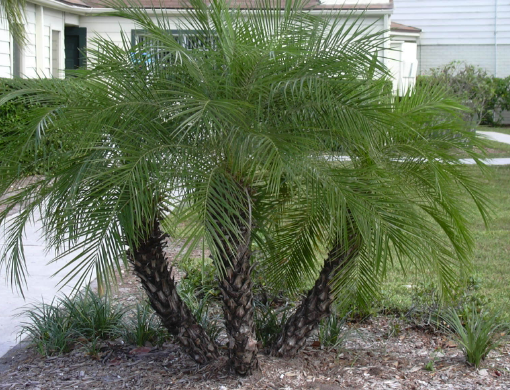
The Pygmy Date Palm is known for its striking appearance. It features delicate, arching fronds that create a lush, tropical feel. Its small size, typically reaching 6 to 12 feet in height, makes it a perfect choice for gardens of any size. Whether you’re looking to create a focal point in your garden or add a soft touch to your landscape, the Pygmy Date Palm can be a stunning choice.
Author’s Tip: “I’ve found that placing a Pygmy Date Palm near a water feature or pond amplifies its exotic appeal, creating a serene oasis right in your backyard.”
Versatility in Landscaping
One of the standout features of the Pygmy Date Palm is its versatility. It can thrive both as a standalone specimen or in clusters for a more dramatic effect. It also pairs well with other tropical plants like hibiscus, bird of paradise, or colorful bromeliads, enhancing the lush look of your garden.
Low Maintenance Needs
While this palm may look delicate, it’s surprisingly hardy. It’s drought-tolerant once established and can thrive in a variety of soil types, provided they are well-draining. It also tolerates partial shade, making it a versatile choice for various garden spots.
Author’s Insight: “In my experience, the Pygmy Date Palm is one of the most forgiving plants in my garden. With minimal care, it continues to thrive year after year.”
How to Incorporate Pygmy Date Palm in Your Landscape
As a Standalone Feature
When used as a standalone feature, the Pygmy Date Palm can serve as a striking focal point. Plant it in the center of a garden bed or near an entrance to draw attention to its elegant fronds. Surround it with ground covers like creeping thyme or mondo grass to enhance its presence.
In Groupings for a Tropical Look
For a more lush, tropical feel, consider planting Pygmy Date Palms in groups of three or more. Vary their heights to create a natural, layered effect. This arrangement works particularly well in large garden beds or along pathways, where the palms can create a sense of enclosure and privacy.
In Containers for Versatility
Pygmy Date Palms also thrive in containers, making them perfect for patios, decks, or even indoors as a houseplant. Use large, decorative pots that complement your garden’s style. The portability of container planting allows you to move the palms around to suit your landscaping needs or seasonal changes.
Author’s Note: “I’ve had great success with Pygmy Date Palms in containers. They add a touch of greenery to my patio, and I can easily move them indoors during colder months.”
Caring for Your Pygmy Date Palm
Light and Temperature Requirements
Pygmy Date Palms thrive in full sun to partial shade. While they prefer warmer climates (USDA zones 10-11), they can tolerate brief periods of cold. If you live in a cooler region, consider planting your palm in a pot that can be moved indoors during the winter months.
Soil and Watering
These palms prefer well-draining soil with a slightly acidic to neutral pH. Overwatering can lead to root rot, so it’s crucial to let the soil dry out between waterings. In the hotter months, more frequent watering might be needed, especially for container plants.
Fertilizing
A balanced, slow-release fertilizer applied in the spring can help keep your Pygmy Date Palm healthy and vibrant. Be cautious not to over-fertilize, as this can lead to salt build-up in the soil, which can harm the plant.
Pruning and Maintenance
Pygmy Date Palms require minimal pruning. Simply remove dead or yellowing fronds to maintain its appearance. Be cautious when pruning, as the base of the fronds can have sharp spines.
Author’s Tip: “When pruning, I always wear gloves to protect my hands from the sharp spines. It’s a simple step that saves a lot of discomfort later on!”
Common Challenges and How to Overcome Them
Pests and Diseases
While relatively pest-resistant, Pygmy Date Palms can occasionally be affected by spider mites or scale. Regularly inspect your plants and treat any infestations early with insecticidal soap or neem oil.
Cold Damage
In regions with unexpected cold snaps, Pygmy Date Palms might suffer from cold damage. Covering the palm with a frost cloth can help protect it during these periods. If your palm does get damaged, don’t prune the damaged fronds immediately—wait until new growth begins in the spring.
Nutrient Deficiencies
Yellowing fronds can be a sign of nutrient deficiency, particularly magnesium. Using a specialized palm fertilizer that includes magnesium can help address this issue.
Conclusion: Transform Your Garden with Pygmy Date Palm
The Pygmy Date Palm is a fantastic choice for anyone looking to bring a touch of the tropics to their landscape. Its versatility, aesthetic appeal, and low maintenance needs make it a gardener’s dream. Whether you’re an experienced landscaper or just starting, incorporating this palm into your garden design can elevate your outdoor space to a new level of beauty.
Final Thought: “After years of working with Pygmy Date Palms, they’ve become one of my go-to plants for adding elegance and a tropical vibe to any garden. They’re easy to care for, adaptable, and always a conversation starter!”
