
Transplanting tomato seedlings at the right time is crucial to ensuring a healthy, productive garden. As an enthusiastic gardener, I’ve experimented with different transplanting schedules, and I’m excited to share my insights and tips. In this guide, we’ll delve into when to transplant tomato seedlings, the signs they’re ready, and how to do it for the best results.
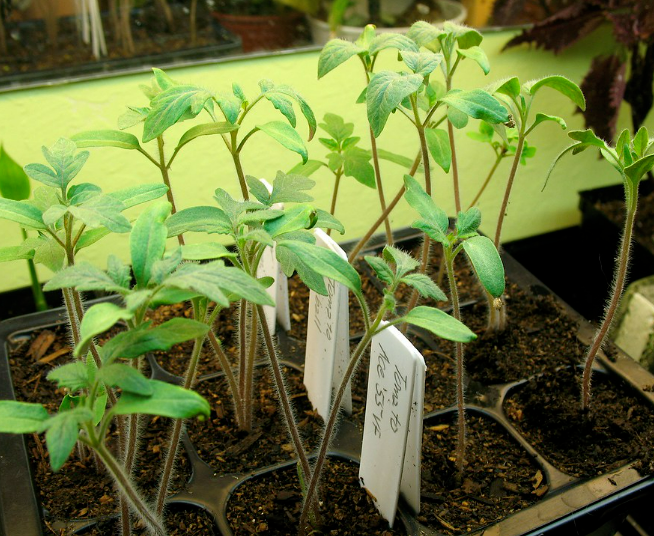
Understanding the Growth Stages of Tomato Seedlings
Before we discuss the ideal transplanting time, it’s important to understand the growth stages of tomato seedlings. Tomato plants go through several phases from germination to maturity, and knowing where your seedlings stand is key to successful transplantation.
The Germination Phase
Tomato seeds typically germinate within 5 to 10 days after planting. During this phase, the seedlings develop their first true leaves, which look different from the initial seed leaves.
The Seedling Stage
Once the seedlings have a few sets of true leaves, they enter the seedling stage. At this point, the plants are still delicate but are starting to develop a more robust root system and stronger stems.
Pre-Transplant Stage
As seedlings grow, they’ll eventually need more space than the seed tray or small pots can provide. When they’re a few inches tall and have multiple sets of true leaves, they’re approaching the pre-transplant stage.
Signs Your Tomato Seedlings Are Ready for Transplanting
Knowing the right time to transplant is a blend of observing your seedlings and understanding their needs.
Seedling Size and Leaf Count
Tomato seedlings are generally ready to transplant when they are 6-10 inches tall and have at least two to three sets of true leaves. These leaves are different from the initial seed leaves and are a clear indicator that the plant is developing well.
Root Development
Gently lift a seedling from its container to check the root system. If the roots are beginning to circle the bottom of the container, it’s time to transplant. Overgrown roots can become tangled and stressed if left too long.
Stem Strength
A sturdy stem is another sign that your tomato seedlings are ready. A weak, leggy stem indicates that the plant may not yet be ready to handle the shock of transplanting. If the stem is thickening and the plant stands upright without support, it’s a good candidate for transplanting.
Ideal Timing for Transplanting Tomato Seedlings
Timing the transplant right can make all the difference in your tomato plants’ success. Here are the factors to consider:
Weather Conditions
Tomatoes are warm-weather plants, so the outdoor temperature plays a significant role in when to transplant. Wait until the danger of frost has passed and the soil temperature is consistently above 60°F (16°C). In many regions, this means transplanting in late spring, but it can vary depending on your climate.
Hardening Off Your Seedlings
Before transplanting, it’s important to harden off your seedlings. This process involves gradually acclimating them to outdoor conditions. Start by placing the seedlings outside in a sheltered area for a few hours a day, gradually increasing the time over a week or two. This step reduces transplant shock and helps the plants adjust to the harsher outdoor environment.
How to Transplant Tomato Seedlings: Step-by-Step Guide
Once you’ve determined that your seedlings are ready, it’s time to move them to their permanent home in the garden.
Preparing the Garden Bed
Choose a sunny spot in your garden, as tomatoes need at least 6-8 hours of sunlight each day. Prepare the soil by adding compost or well-rotted manure to enrich it. Tomatoes prefer slightly acidic soil with a pH between 6.0 and 6.8.
Digging the Hole
Dig a hole deep enough to bury the seedling up to its first set of true leaves. This encourages strong root growth and stability. If your seedlings are particularly tall or leggy, you can plant them deeper or even lay them sideways in a trench, covering the stem, which will develop roots along the buried portion.
Transplanting the Seedlings
Carefully remove the seedling from its pot, handling it by the leaves rather than the stem to avoid damage. Place it in the hole and gently fill it with soil, pressing lightly to eliminate air pockets. Water the plant immediately after transplanting to help settle the soil around the roots.
Post-Transplant Care
Transplanting can be stressful for young plants, so giving them the right care afterward is crucial.
Watering
Keep the soil consistently moist but not waterlogged. Water deeply to encourage the roots to grow down into the soil. Mulching around the base of the plant can help retain moisture and regulate soil temperature.
Fertilizing
After a week or two, when the plants have adjusted, you can start feeding them with a balanced fertilizer. Avoid high nitrogen fertilizers, which can lead to excessive foliage growth at the expense of fruit production.
Monitoring for Stress
Keep an eye on your transplanted seedlings for signs of stress, such as wilting, yellowing leaves, or slowed growth. If you notice these symptoms, ensure the plants are getting enough water and that they’re protected from strong winds or harsh sun.
My Experience with Transplanting Tomato Seedlings
In my garden, I’ve found that patience is key when it comes to transplanting tomato seedlings. Rushing the process often leads to weaker plants that struggle to produce fruit. I always wait until the seedlings show all the signs mentioned above and the weather is warm and stable. Hardening off is a step I never skip, as it truly makes a difference in how well the plants adjust to their new environment.
One year, I experimented with planting a few seedlings a week earlier than usual and another set a week later. The later transplants outperformed the early ones, proving that timing is everything.
Common Mistakes to Avoid When Transplanting
Even experienced gardeners can make mistakes. Here are a few common pitfalls to avoid:
Transplanting Too Early
If you transplant too early, your seedlings may be stunted by cold temperatures or suffer from transplant shock. It’s better to wait a bit longer than to rush the process.
Overwatering After Transplanting
While it’s important to water newly transplanted seedlings, overwatering can lead to root rot. Make sure the soil is well-draining and avoid watering too frequently.
Ignoring Soil Preparation
Tomatoes are heavy feeders and need nutrient-rich soil to thrive. Skipping soil preparation can result in poor growth and lower yields.
Conclusion: Timing Is Everything
Knowing when to transplant tomato seedlings can be the difference between a thriving garden and a disappointing harvest. By paying attention to the growth stages of your seedlings, the weather conditions, and proper transplanting techniques, you can set your tomatoes up for success. Remember, the key is to be patient and let the seedlings tell you when they’re ready. Happy gardening!
