
Growing begonias is a rewarding experience for any gardener, but ensuring they thrive requires the right potting mix. In this article, we’ll explore everything you need to know about creating the perfect potting mix for your begonias. From essential ingredients to my personal recommendations, you’ll be well-equipped to give your begonias the best home possible.
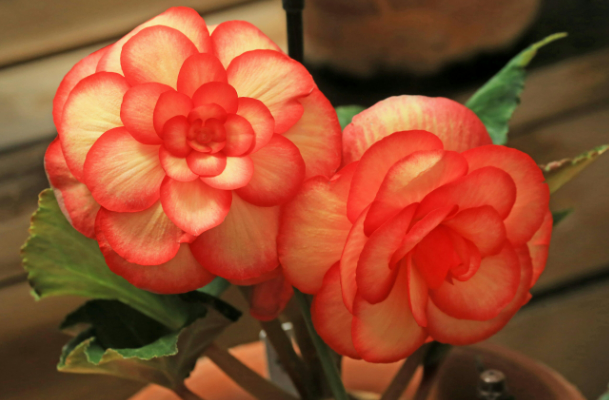
Understanding Begonia Needs
Why Potting Mix Matters
Begonias are sensitive plants that require well-draining soil with the right balance of nutrients. The wrong potting mix can lead to problems like root rot, poor growth, and even plant death. That’s why choosing or creating the ideal mix is crucial for healthy, vibrant begonias.
Essential Components of a Good Begonia Potting Mix
A good begonia potting mix typically includes:
- Peat Moss: Retains moisture while providing excellent aeration.
- Perlite or Vermiculite: Enhances drainage and prevents the soil from becoming too compact.
- Compost or Leaf Mold: Adds organic nutrients that enrich the soil.
- Pine Bark or Coconut Coir: Helps with water retention and provides structure to the mix.
My Tried-and-True Begonia Potting Mix Recipe
Basic Recipe for Begonias
Over the years, I’ve experimented with various combinations, and I’ve found that this mix works wonders for most begonias:
- 2 parts peat moss
- 1 part perlite
- 1 part compost or leaf mold
- 1 part pine bark or coconut coir
This combination ensures good drainage, sufficient moisture retention, and nutrient availability.
Adjusting the Mix for Different Begonia Varieties
Some begonias, like rex begonias, prefer slightly more acidic soil. In such cases, you can add a small amount of pine needles or sphagnum moss to lower the pH. For tuberous begonias, which need even better drainage, increasing the perlite content can be beneficial.
Potting Tips for Healthy Begonias
Choosing the Right Container
The container you choose plays a significant role in the health of your begonias. I recommend using pots with drainage holes to prevent water from pooling at the bottom. Terra cotta pots are a great choice because they allow excess moisture to evaporate.
Watering and Fertilizing
When it comes to watering, begonias prefer slightly moist but never soggy soil. It’s better to water them thoroughly and let the soil dry out a bit before the next watering. Overwatering is a common mistake that can lead to root rot.
As for fertilizing, I suggest using a balanced, water-soluble fertilizer every 4-6 weeks during the growing season. However, be cautious not to over-fertilize, as this can cause leaf burn and other issues.
Troubleshooting Common Begonia Problems
Root Rot
Root rot is a frequent issue with begonias, especially if the potting mix isn’t draining well. To prevent this, make sure your potting mix has plenty of perlite or vermiculite and avoid overwatering.
Yellowing Leaves
Yellowing leaves can be a sign of overwatering, nutrient deficiency, or too much direct sunlight. Assess the situation and adjust your care routine accordingly. Sometimes, adding a bit of compost or using a liquid fertilizer can help.
Personal Experience: My Journey with Begonias
I’ve been growing begonias for over a decade, and I can’t stress enough how important the right potting mix is. Early on, I struggled with issues like root rot and yellowing leaves, but once I perfected my potting mix, my begonias began to thrive. I’ve shared my recipe with fellow gardeners, and they’ve seen similar success.
One tip I can’t emphasize enough is to always monitor the moisture level in your potting mix. Overwatering is the number one killer of begonias, and it’s easy to fall into the trap of thinking they need more water than they actually do.
Conclusion: Creating the Best Home for Your Begonias
Finding or creating the perfect begonia potting mix is key to ensuring your plants are healthy and vibrant. By using a mix that balances moisture retention with good drainage and provides essential nutrients, your begonias will reward you with beautiful blooms and lush foliage.
Remember, gardening is a journey, and it’s all about experimenting and finding what works best for you and your plants. Don’t be afraid to tweak your potting mix and care routine based on your experiences and observations.
Happy gardening!
