
Protecting your garden from frost is a top priority for any gardener, especially when that first chilly night approaches. One effective method is using planket frost protection, a garden cover specifically designed to shield plants from frost damage. In this article, I’ll share everything you need to know about planket frost protection, why it’s a must-have for your garden, and my personal experience with this product.
What Is Planket Frost Protection?
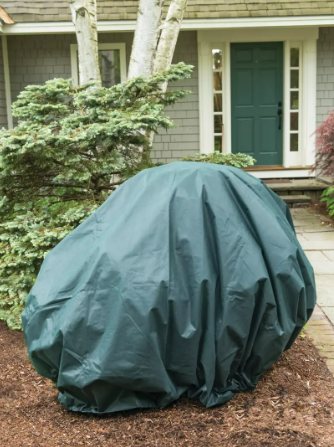
Planket frost protection is a lightweight, breathable fabric made to protect plants from frost, wind, and cold temperatures. Unlike standard tarps or sheets, the planket allows air and moisture to pass through while trapping warmth around your plants. This makes it ideal for extending the growing season and protecting both delicate and hardy plants from frost damage.
How Does Planket Work?
The planket creates a microclimate by capturing the earth’s heat and insulating your plants. This keeps the temperature around the plants higher than the air temperature, preventing frost from forming on leaves, stems, and flowers.
- Breathable material: Allows moisture and air to reach your plants, preventing mold or suffocation.
- Variety of sizes: You can get plankets in multiple sizes, from small ones for potted plants to larger ones for garden beds.
- Reusable: It’s durable and reusable, making it a smart investment for long-term frost protection.
Why Should You Use Planket Frost Protection?
As a gardener, I’ve tried many methods to protect my plants from frost, from makeshift covers to burlap. While these solutions work to some extent, they often lead to unintended problems like trapped moisture, overheating, or damage to plants. The planket stands out because of its simplicity and effectiveness. Here are some reasons why it should be part of your gardening toolkit:
Effective Frost Protection
The primary purpose of the planket is to provide a barrier between your plants and the frost, keeping them warm through the night. The fabric traps heat while allowing moisture to escape, preventing frost from forming on your plants. I’ve noticed that using plankets has significantly reduced frost damage in my vegetable garden, especially during unexpected early frosts.
Easy to Use and Store
Plankets are lightweight and easy to place over your plants. Unlike heavier frost cloths or blankets, they don’t require extra support or clips in most cases. Plus, they’re compact, making them easy to store when not in use.
Versatility in Application
Another thing I love about planket frost protection is its versatility. I use it on everything from my potted herbs to my rose bushes. You can also layer plankets for added protection during particularly cold spells.
When to Use Planket Frost Protection
Timing is crucial when it comes to frost protection. Typically, frost is most likely to occur when nighttime temperatures dip below 32°F (0°C). But how do you know when it’s time to cover your plants?
Monitor the Weather
Keep an eye on your local weather forecast, especially during late fall and early spring. When frost is predicted, it’s time to pull out the plankets. I always set a reminder to check the weather regularly, so I’m prepared for those sudden drops in temperature.
Evening Coverage for Best Results
Place your planket over plants in the evening, just before the temperature drops. Make sure the planket fully covers the plants and is securely in place to prevent it from blowing away. In the morning, after the frost has lifted, remove the planket to allow your plants to absorb sunlight.
Personal Experience with Planket Frost Protection
In my own garden, using plankets has been a game-changer. I grow a variety of tender plants that can’t handle even light frost, like tomatoes, basil, and peppers. A few years ago, I lost several plants to an unexpected frost in late September. Since I started using planket frost protection, I haven’t experienced the same kind of loss.
One winter, I also tested the planket on some of my more cold-hardy plants like kale and cabbage. While these plants can survive frost, the planket helped them grow more vigorously and extended my harvest well into early winter. It’s truly a simple but effective tool for any gardener.
Tips for Using Planket Frost Protection
While the planket is straightforward to use, there are a few tips that will ensure you get the best results:
Anchor It Securely
If you live in a windy area, make sure to anchor the edges of the planket with rocks, stakes, or garden pins. This will prevent it from being blown off and exposing your plants to the cold.
Check for Tears
Over time, plankets can develop small tears or wear in high-stress areas. Regularly inspect your planket and repair any damage to ensure it remains effective.
Use Multiple Layers for Extreme Cold
In areas with extremely cold temperatures, consider layering two plankets for added warmth. This can provide additional insulation and better frost protection.
Final Thoughts on Planket Frost Protection
As someone who is passionate about gardening, I highly recommend planket frost protection to any gardener facing cold weather challenges. It’s an affordable, reusable solution that works better than traditional methods like tarps or cloth. Whether you’re protecting flowers, vegetables, or shrubs, the planket will give your garden the best chance to thrive even when the temperature drops unexpectedly.
In my experience, investing in quality frost protection like the planket can make a significant difference in the longevity and health of your plants. I now keep a couple of plankets on hand year-round to ensure I’m always ready to protect my garden.
