
If you’re a fan of lush, tropical plants, you’ve probably heard of the Rhaphidophora tetrasperma, also known as the Mini Monstera. This stunning vine is celebrated for its unique, fenestrated leaves and its easy-care nature. In this guide, I’ll walk you through the steps to propagate Rhaphidophora tetrasperma, based on my personal gardening experience. Let’s dive in!
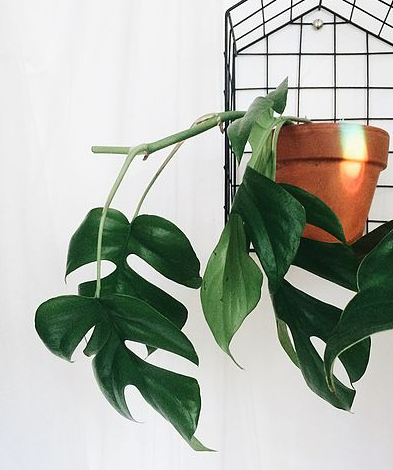
Understanding Rhaphidophora Tetrasperma
What is Rhaphidophora Tetrasperma?
Rhaphidophora tetrasperma, often mistaken for a Monstera due to its similar leaf shape, is a tropical plant native to Southeast Asia. It’s prized for its decorative leaves with natural holes, which give it a unique, modern look. This plant is an excellent choice for both beginners and experienced gardeners.
Why Propagate Rhaphidophora Tetrasperma?
Propagating your plant allows you to expand your collection, share with friends, or rejuvenate a leggy specimen. It’s a satisfying way to grow your gardening skills and increase your plant’s abundance.
Methods of Propagation
Using Water
One of the simplest ways to propagate Rhaphidophora tetrasperma is by using water. Here’s how:
- Select a Healthy Cutting: Choose a stem with at least one node and a few leaves. The node is essential because it’s where new roots will develop.
- Prepare the Cutting: Trim the cutting just below the node with a clean, sharp knife or scissors.
- Place in Water: Submerge the node in a glass of water, ensuring that the leaves are above the waterline.
- Positioning: Place the glass in a bright, indirect light spot.
- Change Water Regularly: Replace the water every few days to keep it fresh.
- Wait for Roots: In a few weeks, you’ll see roots developing. Once they’re a few inches long, your cutting is ready to be potted.
Using Soil
Propagation in soil can be a bit more involved but is equally effective. Follow these steps:
- Prepare Your Pot: Use a small pot with drainage holes and fill it with a well-draining potting mix.
- Take a Cutting: Just like with water propagation, select a healthy cutting with a node.
- Plant the Cutting: Insert the cutting into the soil, making sure the node is buried.
- Water Lightly: Moisten the soil but avoid waterlogging.
- Cover for Humidity: Cover the pot with a plastic bag or a clear plastic dome to maintain humidity.
- Place in Indirect Light: Position the pot in a location with bright, indirect light.
- Check for Roots: Gently tug on the cutting after a few weeks to check for resistance, indicating root development.
Care Tips for New Cuttings
Watering
Whether propagating in water or soil, maintaining appropriate moisture is crucial. Avoid overwatering, as this can lead to root rot. Keep the soil consistently moist but not soggy.
Light Requirements
Provide bright, indirect light for the best growth. Direct sunlight can scorch the leaves, while too little light can slow down the rooting process.
Temperature and Humidity
Rhaphidophora tetrasperma thrives in warm, humid conditions. Aim for temperatures between 65-85°F (18-29°C) and a humidity level of at least 50%. You can increase humidity by misting the plant or using a humidifier.
Author’s Tips and Experience
From my personal experience, propagating Rhaphidophora tetrasperma is quite rewarding. I’ve found that using a clear glass container for water propagation allows me to monitor root growth easily. For soil propagation, maintaining high humidity is key to successful rooting.
Additionally, if you’re starting with a few cuttings, consider rotating them between water and soil to see which method works best for you. Both methods can yield great results, but conditions and preferences can vary.
Conclusion
Propagating Rhaphidophora tetrasperma is a gratifying process that can enhance your gardening skills and bring new life to your plant collection. Whether you choose to propagate in water or soil, following these guidelines will help ensure success. Remember to be patient and enjoy the process of growing your green paradise!
Feel free to share your propagation experiences or ask questions in the comments below. Happy gardening!
