
Caring for a Begonia Maculata, often known as the Polka Dot Begonia, can be both a rewarding and visually stunning experience. This plant, with its striking foliage and unique polka dot patterns, is a favorite among indoor gardeners. However, like any plant, it requires specific care to flourish. In this guide, I’ll share my experience and tips on how to keep your Begonia Maculata happy and healthy.
Understanding Begonia Maculata
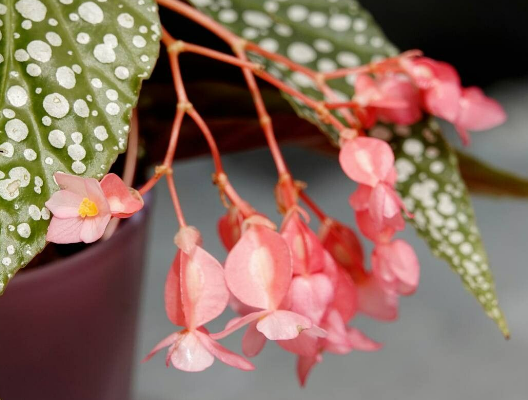
Before diving into care tips, it’s essential to understand what makes the Begonia Maculata so unique. Native to the rainforests of Brazil, this plant is known for its asymmetrical leaves adorned with silver spots and its red or purple underside. It’s not just a pretty plant; it’s a conversation starter!
Ideal Lighting Conditions
Finding the Right Spot
Begonia Maculata thrives in bright, indirect light. Too much direct sunlight can scorch the leaves, causing them to lose their vibrant color and unique spots. I’ve found that placing mine near an east-facing window works wonders. It gets the morning sun, which is less intense, and then bright but indirect light for the rest of the day.
Signs of Light Stress
Watch for yellowing leaves or fading spots—these are indicators that your Begonia might be getting too much or too little light. If the spots begin to disappear, try moving it to a location with more light.
Watering Your Begonia Maculata
How Often Should You Water?
The key to watering Begonia Maculata is balance. It prefers consistently moist soil but not soggy. In my experience, watering once the top inch of the soil is dry works best. This usually means watering about once a week, though this can vary depending on your home’s humidity and temperature.
Watering Tips
Always water your Begonia at the base, avoiding the leaves to prevent mildew and other diseases. Use room temperature water to avoid shocking the roots. Remember, overwatering is a common mistake that can lead to root rot.
Humidity and Temperature Requirements
Creating the Right Environment
Begonia Maculata loves humidity! Aim for a humidity level of 50% or higher. In a dry home, especially in winter, you might need to increase humidity around your plant. I’ve found that placing a humidifier nearby or setting the plant on a tray filled with pebbles and water does the trick.
Temperature Preferences
This begonia prefers temperatures between 65°F and 75°F. Avoid placing it near drafty windows or air conditioners, as cold drafts can damage the leaves.
Soil and Fertilization
Choosing the Right Soil
Begonia Maculata thrives in well-draining soil. A mix of peat, perlite, and potting soil works well. I usually opt for a light, airy mix that allows roots to breathe and excess water to drain.
Fertilizing Tips
Fertilize your Begonia Maculata every two weeks during the growing season (spring and summer) with a balanced liquid fertilizer diluted to half strength. Over-fertilizing can lead to salt build-up, which can damage the roots.
Pruning and Propagation
Pruning for a Healthy Plant
Pruning helps to encourage new growth and keeps your Begonia Maculata looking its best. Trim any leggy or damaged stems using clean, sharp scissors. In my experience, regular pruning not only keeps the plant compact but also promotes a fuller appearance.
Propagation Tips
Propagating Begonia Maculata is relatively easy. Cut a healthy stem with at least one node and place it in water or directly into moist soil. Within a few weeks, roots should begin to develop. It’s a fantastic way to share this beautiful plant with friends or expand your own collection.
Common Problems and Solutions
Pests and Diseases
Begonia Maculata can sometimes attract pests like spider mites and aphids. I’ve found that a gentle spray with insecticidal soap or neem oil works well to keep these pests at bay.
Dealing with Leaf Drop
Leaf drop can be a sign of stress, often due to changes in lighting, temperature, or humidity. If your Begonia starts dropping leaves, try to identify and address the source of stress. In my experience, adjusting the environment usually resolves the issue.
Final Thoughts
Caring for Begonia Maculata might seem challenging at first, but once you get the hang of it, this plant will reward you with its stunning foliage and unique charm. It’s a plant that has brought a lot of joy to my indoor garden, and I’m sure it will do the same for you.
Remember, the key to success with Begonia Maculata is understanding its needs and providing consistent care. Happy gardening!
