
Purslane, also known as Portulaca oleracea, is a common and persistent weed that many gardeners struggle with. Its succulent leaves and small yellow flowers might appear harmless, even attractive, but left unchecked, purslane can quickly overrun your garden. This article will dive into effective strategies to rid your garden of purslane and prevent its return.
Understanding Purslane
What Is Purslane?
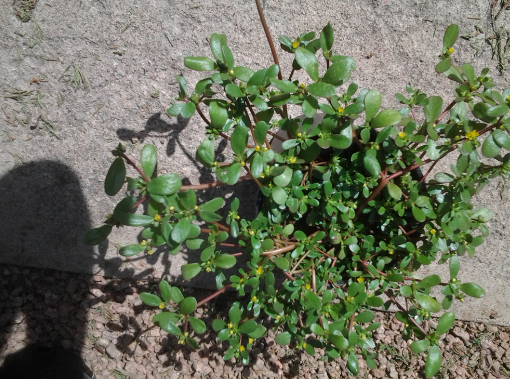
Purslane is a hardy, fast-growing annual weed that thrives in warm climates. It spreads low to the ground, forming dense mats that can outcompete your garden plants for nutrients, water, and sunlight. With its ability to survive in poor soil and its penchant for spreading through both seeds and broken stems, it can be a formidable foe in any garden.
Why Is It So Hard to Get Rid Of?
Purslane is notorious for its resilience. Its seeds can remain viable in the soil for up to 40 years, and it can re-root from even the smallest piece of stem. This means that traditional weeding methods, such as pulling or hoeing, often leave behind enough plant material for it to regrow.
Strategies to Remove Purslane
Manual Removal
One of the most effective ways to deal with purslane is through manual removal, but it requires diligence.
- Hand-Pulling: Pulling purslane by hand is an option, especially when the soil is moist. Ensure you remove the entire plant, including the root system. Be thorough, as any leftover fragments can regrow.
- Hoeing: Use a hoe to cut purslane off at the soil level. This can be effective, but be careful not to leave cut stems in contact with the soil, as they can easily re-root.
Solarization: A Heat Treatment
Solarization is a natural and chemical-free method that uses the sun’s heat to kill weeds and their seeds.
- How to Solarize: Lay clear plastic sheeting over the affected area during the hottest months of the year. Secure the edges with soil or stones to trap heat. Leave the plastic in place for 4-6 weeks. The intense heat generated under the plastic will kill purslane seeds and plants.
Mulching: Preventing Regrowth
Mulching is a gardener’s best friend when it comes to preventing weed growth. A thick layer of mulch can block light and prevent purslane seeds from germinating.
- Organic Mulch: Apply 3-4 inches of organic mulch, such as wood chips, straw, or compost, to the soil. This not only suppresses weeds but also improves soil health as it decomposes.
- Landscape Fabric: For heavily infested areas, consider using landscape fabric under the mulch. This provides an extra barrier that makes it difficult for weeds to break through.
Chemical Control: When to Use Herbicides
Sometimes, chemical intervention may be necessary, especially in cases of severe infestation.
- Selective Herbicides: Use a herbicide that targets broadleaf weeds, like purslane, without harming your grass. Apply according to the manufacturer’s instructions, and be cautious about overuse, as this can damage your garden’s ecosystem.
- Non-Selective Herbicides: For purslane growing in cracks or non-plant areas, non-selective herbicides like glyphosate can be effective. Remember, these will kill any plant they come in contact with, so apply them carefully.
Preventing Future Purslane Infestations
Maintaining a Healthy Lawn and Garden
A thick, healthy lawn and well-maintained garden beds are your best defense against purslane.
- Proper Watering: Water deeply but infrequently to encourage strong root systems in your desired plants. This makes it harder for weeds to establish.
- Regular Mowing: Keep your lawn mowed at the appropriate height for your grass type. Taller grass can shade out weed seedlings like purslane.
- Soil Fertility: Regularly test your soil and amend it as needed to ensure your plants are getting the nutrients they need. Healthy plants outcompete weeds.
Monitor and Act Quickly
Regular garden inspections will help you catch purslane before it becomes a problem.
- Early Detection: Inspect your garden regularly, especially during the growing season. The earlier you catch purslane, the easier it is to remove.
- Quick Action: If you spot purslane, remove it immediately. Don’t wait for it to flower and set seed, as this will only worsen the problem.
My Experience with Purslane
As a dedicated gardener, I’ve had my fair share of battles with purslane. It all started one summer when I noticed these small, succulent plants creeping into my vegetable garden. At first, I didn’t think much of it, but within weeks, it had spread like wildfire.
I tried pulling it out by hand, but it seemed like every time I turned around, more had sprouted. That’s when I learned about the importance of removing every last piece of the plant, including the roots. I also discovered that mulching was a game-changer. After applying a thick layer of straw mulch around my plants, the purslane invasion slowed down significantly.
Now, I’m diligent about checking for purslane early in the season and removing it before it gets out of hand. It’s a constant battle, but with persistence and the right strategies, it’s one you can win.
