
When you’re strolling through the grocery store or browsing seed catalogs, you might come across both “butter beans” and “lima beans.” They look similar, taste somewhat alike, and even grow on the same type of plant. But are they really the same, or is there more to the story? As an enthusiastic gardener who’s had a hand in growing both, I’m here to unravel the mystery for you.
The Origin and History
Lima Beans: A Brief History
Lima beans (Phaseolus lunatus) have been cultivated for thousands of years, originating in South America, particularly in modern-day Peru. They were named after the city of Lima, which was a key port for the export of the beans.
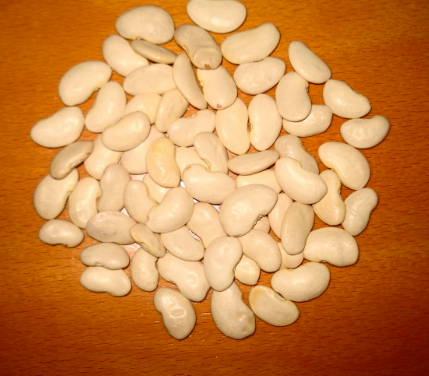
Butter Beans: The Southern Staple
In the southern United States, “butter beans” is a term commonly used to refer to a specific type of lima bean. However, the name “butter bean” can also be used to describe the larger, mature beans that have a creamy texture when cooked.

Differences in Appearance and Size
Lima Beans
Lima beans come in various sizes, but they are generally classified into two main types:
- Baby Lima Beans: These are smaller, more tender beans that cook quickly and have a slightly more delicate flavor. They’re often used in stews, soups, and salads.
- Fordhook Lima Beans: These are larger, thicker beans with a more robust flavor. They hold up well in hearty dishes and are often used in casseroles or as a side dish.
Butter Beans
Butter beans are typically the larger, mature version of lima beans. When dried, they have a pale, creamy color, and once cooked, they develop a rich, buttery texture that gives them their name.
“In my garden, I’ve found that the larger lima beans, which we often call butter beans, tend to thrive in warmer climates. They’re hearty, resilient, and produce a bountiful harvest if given the right care.”
Growing Conditions and Care
Planting and Soil
Both butter beans and lima beans prefer warm temperatures and are sensitive to frost. They require well-draining soil, rich in organic matter. I usually plant them after the last frost when the soil has warmed up to around 70°F.
Watering and Sunlight
These beans need full sun to grow their best and should be watered regularly, especially during flowering and pod development. However, avoid waterlogging the soil as it can lead to root rot.
Harvesting
The harvesting time depends on what type of bean you’re growing.
- Baby Limas: Ready to harvest in about 60-75 days.
- Fordhook and Butter Beans: These take a bit longer, around 75-90 days. For butter beans, you’ll know they’re ready when the pods are plump and the beans inside are fully formed.
Culinary Uses and Flavor
In the Kitchen
- Lima Beans: Their slightly starchy texture makes them perfect for soups, stews, and salads. They can also be pureed into a creamy dip or spread.
- Butter Beans: With their richer, creamier texture, butter beans are often used in Southern cuisine. They shine in dishes like succotash, casseroles, or simply cooked with a bit of butter and herbs.
Flavor Profile
- Lima Beans: Mild and slightly sweet with a starchy texture.
- Butter Beans: Richer, creamier, and more robust, making them perfect for hearty dishes.
“When I cook, I often reach for butter beans when I want a dish that’s rich and satisfying. They pair beautifully with smoked meats, herbs, and even in a simple butter sauce.”
Are They Interchangeable?
The short answer is yes—lima beans and butter beans are essentially the same, just at different stages of maturity. However, depending on the dish, one might be preferred over the other. For a delicate salad, baby lima beans would be ideal, whereas for a comforting casserole, butter beans would be your best bet.
Final Thoughts: Which Should You Choose?
As a gardener and cook, I appreciate both butter beans and lima beans for their unique qualities. In my garden, I grow a mix of both, ensuring I have the perfect bean for any dish throughout the season. Whether you prefer the tender bite of a baby lima or the creamy texture of a butter bean, both are excellent additions to any garden and kitchen.
“In my experience, the key to a great harvest of either type is to give them plenty of sun, water, and a bit of love. And when it comes to cooking, don’t be afraid to experiment—you might just discover a new favorite dish.”
