
Orchid fertilizer is specifically designed to meet the unique needs of orchids, which are known for their delicate root systems and specific nutritional requirements. These fertilizers typically contain a balanced mix of nitrogen, phosphorus, and potassium, often in lower concentrations than general-purpose fertilizers. They may also include trace elements like magnesium, calcium, and iron, which are essential for orchid health.
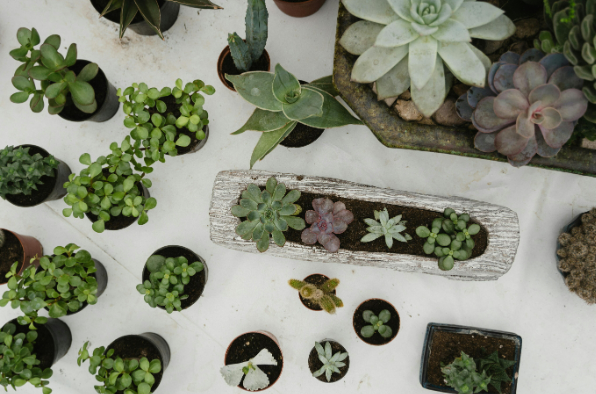
Succulents and Their Unique Nutritional Needs
Succulents are hardy plants that have adapted to survive in arid conditions by storing water in their leaves, stems, and roots. They require a different nutrient balance than orchids, typically preferring a fertilizer with a lower nitrogen content. High nitrogen can lead to rapid, leggy growth, which is not ideal for succulents. Instead, they thrive with a balanced or low-nitrogen fertilizer that encourages strong root development and compact growth.
Can You Use Orchid Fertilizer on Succulents?
The Short Answer: Yes, you can use orchid fertilizer on succulents, but with some adjustments.
The Long Answer: While orchid fertilizer can be used on succulents, it’s important to dilute it more than you would for orchids. Orchid fertilizers are often more concentrated, and succulents don’t need as much fertilizer. Over-fertilizing can cause succulents to become leggy, lose their compact form, or even suffer root burn.
How to Safely Use Orchid Fertilizer on Succulents
Dilution Is Key
When using orchid fertilizer on succulents, dilute the fertilizer to about one-quarter of the recommended strength. For example, if the label suggests one teaspoon per gallon of water for orchids, use just one-quarter teaspoon for succulents.
Frequency of Application
Succulents don’t need frequent fertilization. I recommend fertilizing succulents only during their growing season (spring and summer) and reducing or stopping fertilization during the dormant period (fall and winter). Even during the growing season, once a month is usually sufficient.
My Personal Experience with Orchid Fertilizer on Succulents
I’ve experimented with using orchid fertilizer on my succulents, and while it’s not my go-to choice, it has worked well when used sparingly and properly diluted. I noticed that my succulents stayed healthy and showed steady growth without becoming overly leggy. However, I still prefer using a balanced fertilizer specifically designed for succulents, as it gives me peace of mind knowing that the nutrient ratio is tailored to their needs.
Alternatives to Orchid Fertilizer for Succulents
If you’re unsure about using orchid fertilizer, there are plenty of alternatives:
- Cactus and Succulent Fertilizer: These fertilizers are specifically formulated for succulents and cacti, providing the right balance of nutrients.
- Compost Tea: A natural and mild fertilizer that can provide a gentle nutrient boost.
- Diluted Fish Emulsion: This organic option is great for promoting healthy growth, but be mindful of the smell.
Tips for Healthy Succulent Growth
Proper Watering
One of the most important aspects of succulent care is watering. Overwatering is the leading cause of succulent issues. Water thoroughly but infrequently, allowing the soil to dry out completely between waterings.
Well-Draining Soil
Succulents thrive in well-draining soil. Use a mix specifically designed for succulents or create your own by adding sand or perlite to regular potting soil.
Adequate Sunlight
Ensure your succulents receive plenty of sunlight, preferably six hours of bright, indirect light per day. If your succulents start to stretch out, they may not be getting enough light.
Final Thoughts
While you can use orchid fertilizer on succulents, it’s essential to approach with caution. Proper dilution and mindful application can help your succulents thrive, but for the best results, I recommend using a fertilizer specifically designed for succulents.
Quote from the Author: “Gardening is all about experimentation and learning what works best for your plants. I encourage you to try different methods, observe the results, and find what keeps your succulents happy and healthy.”
This approach not only ensures the health of your plants but also deepens your connection with them, allowing you to enjoy the process of growing and nurturing your garden. Happy gardening!
