
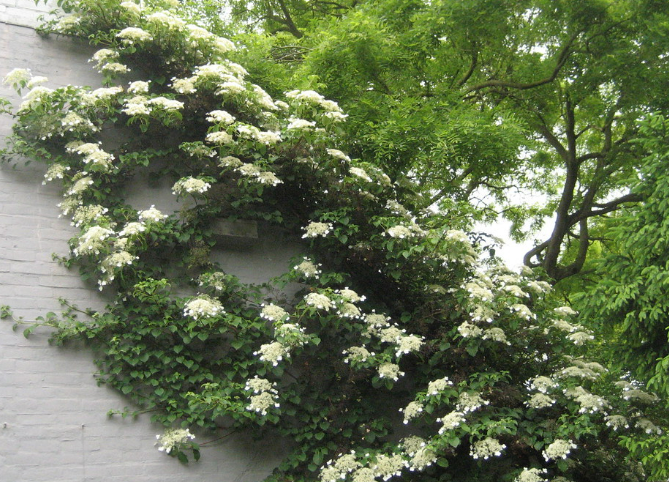
Climbing hydrangeas are a beautiful addition to any garden, but like any plant, they can come with their share of challenges. From slow growth to pest infestations, these issues can be frustrating if you’re not prepared. In this article, I’ll share my experience with climbing hydrangeas, walk you through common problems, and offer practical solutions to keep your hydrangea thriving.
Slow Growth and Establishment
Patience is Key
One of the most common complaints with climbing hydrangeas is slow growth, especially in the first few years. After planting, it’s normal for the vine to take its time establishing itself.
“In my garden, it took almost three years before my climbing hydrangea really started to take off. The key is patience.”
How to Encourage Faster Growth
If you want to help your climbing hydrangea grow faster:
- Ensure good soil drainage: Hydrangeas don’t like soggy soil.
- Mulch: This helps to retain moisture and regulate soil temperature.
- Proper watering: Keep the soil evenly moist, especially during dry spells.
- Fertilizer: Use a balanced, slow-release fertilizer in spring to give it a boost.
Yellowing Leaves
Possible Causes of Yellow Leaves
Yellowing leaves can be a sign of several issues, including:
- Water stress: Either too much or too little water can cause yellowing.
- Nutrient deficiency: A lack of iron or nitrogen often causes chlorosis.
- Soil pH imbalance: Climbing hydrangeas prefer slightly acidic soil.
Solutions for Yellowing Leaves
To correct yellowing:
- Check your watering habits: Ensure the soil stays moist but not waterlogged.
- Test your soil pH: If the pH is too high (alkaline), use an acidifying agent like sulfur to bring it into balance.
- Feed the plant: A fertilizer with iron or a foliar spray can help with deficiencies.
Climbing Hydrangea Not Blooming
Why Your Hydrangea May Not Be Blooming
It can be disheartening to see your climbing hydrangea lush with foliage but no flowers. There are a few reasons for this:
- Immature plant: Young hydrangeas may not bloom for several years.
- Improper pruning: Pruning at the wrong time can cut off next season’s blooms.
- Lack of sunlight: Although climbing hydrangeas can tolerate shade, they bloom best with some sunlight.
“I remember waiting anxiously for my climbing hydrangea to bloom, but I had been pruning it too late in the season! Timing is everything.”
How to Promote Blooms
To ensure your hydrangea flowers:
- Avoid over-pruning: Only prune dead or damaged branches in late winter or early spring.
- Provide more light: If possible, try to position your hydrangea where it gets dappled sunlight.
Pest and Disease Problems
Common Pests Affecting Climbing Hydrangeas
Climbing hydrangeas are generally pest-resistant, but you may occasionally run into:
- Aphids: These tiny insects can suck the sap from your plant, weakening it.
- Spider mites: These can cause leaves to become speckled or yellowed.
- Scale insects: These appear as small, brown bumps on the stems and can be tough to spot.
How to Handle Pests
For pest control:
- Aphids and spider mites: Spray the plant with insecticidal soap or neem oil.
- Scale insects: You may need to prune off affected areas or use a systemic insecticide.
Fungal Diseases
Climbing hydrangeas can suffer from fungal diseases such as:
- Powdery mildew: This white, powdery substance often appears on leaves.
- Leaf spot: Dark spots may appear on the leaves due to excess moisture.
Treating Fungal Issues
- Improve air circulation: Trim back some of the vines to allow air to flow through the plant.
- Avoid overhead watering: Water at the base of the plant to keep foliage dry.
- Use a fungicide: Apply as soon as you notice any signs of fungal disease.
Overwatering or Underwatering
Signs of Overwatering
If you overwater your climbing hydrangea, you may notice:
- Drooping leaves
- Yellowing or browning
- Mushy stems
Signs of Underwatering
On the other hand, if the plant is underwatered, it will display:
- Crispy, dry leaves
- Browning at the edges
“I’ve learned that climbing hydrangeas love moisture but can’t tolerate being waterlogged. Finding that balance is crucial.”
Watering Tips
- Deep watering: Water deeply once or twice a week instead of shallow watering daily.
- Check the soil: Let the top 2-3 inches of soil dry out between waterings to avoid soggy conditions.
Climbing Hydrangea Not Climbing
Why Is Your Hydrangea Not Climbing?
Climbing hydrangeas can sometimes be slow to attach to a surface or may even stop climbing altogether. This could be due to:
- Poor support: They need something sturdy to cling to, like a trellis, wall, or fence.
- Pruning too much: Over-pruning can weaken the plant and make it harder to climb.
How to Help It Climb
To encourage climbing:
- Give it time: Young hydrangeas may take a while to establish their climbing habit.
- Provide proper support: Ensure there is enough structure for the plant to grab onto.
- Gently guide the vines: Tie the vines loosely to the structure to help them start their upward journey.
Winter Damage
How to Prevent Cold Damage
Climbing hydrangeas are hardy, but they can suffer from winter damage in colder climates. If you live in a region with harsh winters:
- Mulch around the base: This helps insulate the roots during freezing temperatures.
- Protect the vines: If frost is expected, cover the plant with burlap to prevent damage.
Reviving a Winter-Damaged Hydrangea
If your climbing hydrangea suffers winter damage, prune off any dead or damaged branches in the spring. With proper care, it should bounce back.
Conclusion: Nurturing Your Climbing Hydrangea
Climbing hydrangeas can present challenges, but with a little patience and the right care, they will reward you with stunning blooms and vigorous growth. From my experience, dealing with slow growth and the occasional yellow leaf has been worth the beauty these plants bring to my garden.
“Like any gardener, I’ve faced a few climbing hydrangea problems, but addressing them with care has made all the difference in their health and beauty.”
So, if you’re encountering issues with your climbing hydrangea, don’t give up. With the tips shared here, you’ll be well-equipped to keep your hydrangea thriving for years to come.
