
Hey there, fellow green thumbs! If you’re like me, you know that gardening isn’t just about tossing seeds in the dirt and hoping for the best. There’s an art to it, and one of the coolest tricks up our sleeves is companion planting. It’s like matchmaking for plants – putting the right pairs together can lead to healthier, happier gardens. So, let’s dive into the world of plant buddies and see who grows best together.
What is Companion Planting?
Companion planting is the practice of placing different plants close to each other for mutual benefits. These benefits can range from pest control and improved pollination to better growth and enhanced flavor. It’s all about creating a harmonious environment where plants help each other out.
Benefits of Companion Planting
Before we get into the specific plant pairs, let’s take a quick look at the benefits of companion planting:
- Pest Control: Some plants repel pests naturally, protecting their neighbors.
- Enhanced Growth: Certain plants release chemicals that stimulate growth in others.
- Improved Soil Health: Some plants fix nitrogen in the soil, benefiting nearby plants.
- Efficient Use of Space: Growing plants with different rooting depths together can maximize space.
- Increased Biodiversity: Encourages a variety of beneficial insects and organisms in the garden.
Best Companion Planting Pairs
Let’s break it down into some common categories to keep things simple. We’ll go through vegetables, herbs, and flowers that make excellent companions.
Vegetables
Tomatoes
- Best Companions:
- Basil: Enhances flavor and repels insects like aphids and tomato hornworms.
- Marigolds: Repel nematodes and other pests.
- Carrots: Help aerate the soil and improve tomato growth.
- Worst Companions:
- Cabbage family (e.g., Broccoli, Cauliflower): Compete for nutrients.
- Potatoes: Both are prone to the same diseases.
| Plant | Best Companions | Worst Companions |
|---|---|---|
| Tomatoes | Basil, Marigolds, Carrots | Cabbage family, Potatoes |
Carrots
- Best Companions:
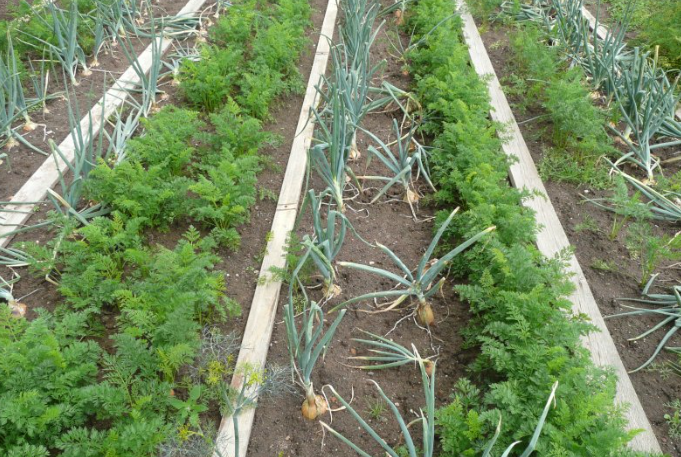
- Onions: Deter carrot flies.
- Lettuce: Provides ground cover, keeping soil cool and moist.
- Tomatoes: Carrots aerate the soil for tomato roots.
- Worst Companions:
- Dill: Can stunt carrot growth.
| Plant | Best Companions | Worst Companions |
|---|---|---|
| Carrots | Onions, Lettuce, Tomatoes | Dill |
Cucumbers
- Best Companions:
- Radishes: Repel cucumber beetles.
- Beans: Fix nitrogen in the soil.
- Sunflowers: Provide natural trellises and attract pollinators.
- Worst Companions:
- Aromatic herbs (e.g., Sage): Can inhibit cucumber growth.
| Plant | Best Companions | Worst Companions |
|---|---|---|
| Cucumbers | Radishes, Beans, Sunflowers | Aromatic herbs |
Herbs
Basil
- Best Companions:
- Tomatoes: Improves flavor and growth.
- Peppers: Boosts growth and repels aphids.
- Oregano: Attracts beneficial insects.
- Worst Companions:
- Rue: Can inhibit basil growth.
| Herb | Best Companions | Worst Companions |
|---|---|---|
| Basil | Tomatoes, Peppers, Oregano | Rue |
Rosemary
- Best Companions:
- Cabbage: Repels cabbage moths.
- Beans: Promotes growth.
- Carrots: Enhances flavor and growth.
- Worst Companions:
- Basil: Prefers different growing conditions.
| Herb | Best Companions | Worst Companions |
|---|---|---|
| Rosemary | Cabbage, Beans, Carrots | Basil |
Flowers
Marigolds
- Best Companions:
- Tomatoes: Repels nematodes and pests.
- Squash: Attracts pollinators and repels pests.
- Beans: Improves growth and health.
- Worst Companions:
- None: Marigolds get along with most plants!
| Flower | Best Companions | Worst Companions |
|---|---|---|
| Marigolds | Tomatoes, Squash, Beans | None |
Nasturtiums
- Best Companions:
- Cucumbers: Deters cucumber beetles.
- Cabbage: Repels aphids and cabbage worms.
- Tomatoes: Deters whiteflies.
- Worst Companions:
- None: These friendly flowers work well with most plants.
| Flower | Best Companions | Worst Companions |
|---|---|---|
| Nasturtiums | Cucumbers, Cabbage, Tomatoes | None |
Tips for Successful Companion Planting
- Know Your Plants: Understand the needs and behaviors of your plants. This will help you pair them effectively.
- Experiment: Every garden is different, so don’t be afraid to try new combinations.
- Observe and Adjust: Pay attention to how your plants respond to their neighbors and make adjustments as needed.
- Diversity is Key: Mix it up to encourage a balanced ecosystem in your garden.
Companion planting is like having a well-choreographed dance in your garden – when done right, everything flows smoothly, and the benefits are bountiful. So grab your gardening gloves, try out some of these plant pairings, and watch your garden thrive. Happy gardening!
Feel free to share your own favorite plant combinations in the comments below. We’re all here to learn and grow together!
