
Composting is a fantastic way to recycle organic waste and enrich your garden with nutrient-rich soil. However, deciding between a traditional compost pile and a compost bin can be tricky. Both methods have their pros and cons, depending on your space, time, and gardening goals. In this article, we’ll explore the differences between compost piles and bins to help you determine which option is best for your garden.
Understanding the Basics
What is a Compost Pile?
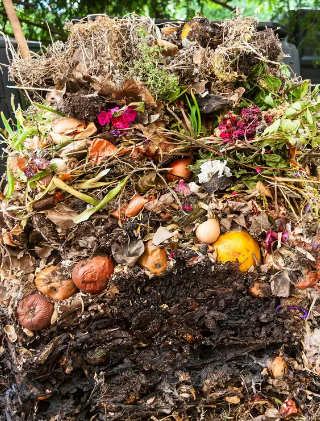
A compost pile is essentially a heap of organic material that breaks down over time, transforming into compost. This method has been used for centuries and is favored for its simplicity and low cost.
What is a Compost Bin?
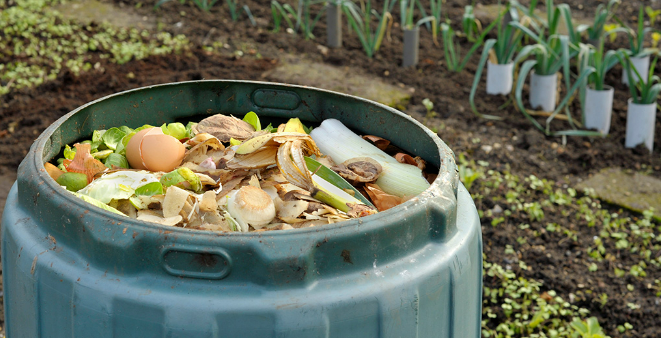
A compost bin is a container designed to hold organic waste as it decomposes. Bins come in various shapes and sizes, and they offer a more controlled environment for composting.
Pros and Cons of a Compost Pile
Benefits of a Compost Pile
- Cost-Effective: Compost piles are free to set up. All you need is a designated space in your yard.
- Large Capacity: Piles can handle large amounts of waste, making them ideal for those with big gardens.
- Simplicity: There’s no need to invest in equipment. Simply pile up your materials and let nature take its course.
Drawbacks of a Compost Pile
- Space Requirements: Compost piles require a significant amount of space, making them less suitable for small yards.
- Potential Odors: Without proper management, compost piles can emit unpleasant odors.
- Pest Attraction: Open piles may attract pests like rodents and insects if not properly maintained.
Pros and Cons of a Compost Bin
Benefits of a Compost Bin
- Space-Efficient: Bins are compact and can fit in smaller yards or even on balconies.
- Aesthetic Appeal: Bins keep the compost contained, making them more visually appealing than open piles.
- Pest Control: Most bins are designed to keep pests out, reducing the risk of unwanted critters in your compost.
Drawbacks of a Compost Bin
- Limited Capacity: Bins can only hold a certain amount of waste, which may not be sufficient for larger gardens.
- Cost: High-quality compost bins can be expensive, especially if you need more than one.
- Maintenance: Some bins require regular turning or mixing, which can be more labor-intensive than managing a pile.
Which Option is Best for You?
Consider Your Space
If you have a large yard with plenty of space, a compost pile might be the most straightforward option. It allows you to compost large volumes of waste without worrying about capacity constraints. On the other hand, if space is limited or you want to keep things tidy, a compost bin could be the better choice.
Think About Your Garden’s Needs
The amount of organic waste you produce is another key factor. A small garden might not generate enough waste to justify a large compost pile, making a bin more practical. Conversely, if you’re dealing with lots of leaves, grass clippings, and kitchen scraps, a compost pile could handle the load more effectively.
Your Level of Involvement
Consider how much time and effort you’re willing to invest in composting. If you prefer a hands-off approach, a compost pile might suit you better since it requires less maintenance. However, if you’re keen on keeping things neat and are up for a bit more work, a compost bin could be more appealing.
My Personal Experience
As an enthusiastic gardener, I’ve experimented with both compost piles and bins. In my experience, compost piles work wonders if you have the space and don’t mind a more rustic setup. I love the simplicity and the fact that I can compost large amounts of waste without worrying about running out of room.
However, when I moved to a smaller property, I switched to a compost bin. It’s compact, keeps my yard looking tidy, and I’ve found it easier to manage in terms of pest control. While the bin does require a bit more attention, like turning the compost regularly, I enjoy the process and the results.
Tips for Successful Composting
- Layering: Whether you choose a pile or a bin, layering your compost with a mix of green (nitrogen-rich) and brown (carbon-rich) materials helps balance the decomposition process.
- Moisture: Keep your compost moist but not waterlogged. This is essential for the microbes that break down the material.
- Aeration: Turn your compost regularly to introduce oxygen, which speeds up decomposition.
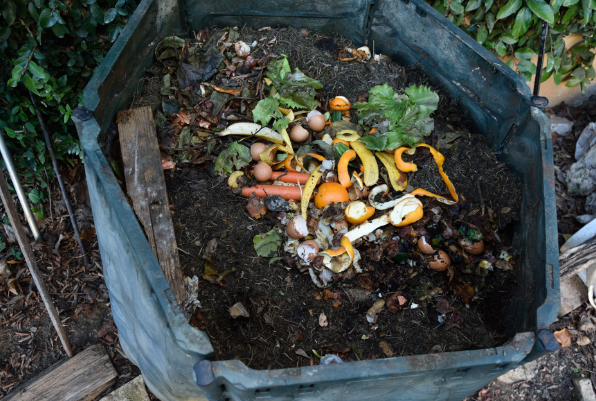
Both compost piles and bins have their advantages, and the best choice depends on your specific needs and circumstances. If you have the space and prefer a low-maintenance option, a compost pile might be ideal. However, if you’re looking for a more contained and space-efficient method, a compost bin could be the way to go.
In the end, both methods will reward you with rich, organic compost that will boost the health of your garden. So, consider your space, waste volume, and personal preferences, and start composting in a way that works best for you!
