
Ah, crabgrass—nature’s own little way of saying, “Let’s see how much you really care about your lawn.” This pesky plant, which seems to have the uncanny ability to pop up wherever it pleases, is the bane of many a gardener’s existence. Not only does it mar the look of your velvet green carpet with its clumpy, unsightly tufts, but it also competes with your beloved grass for space, nutrients, and sunlight.
The key to winning the battle against crabgrass is timing, and early spring offers a tactical advantage. This is when the crabgrass seeds are just thinking about sprouting, unaware that you’re about to outmaneuver them with a mix of preventative measures and timely lawn care strategies.
In this article, we’ll be arming you with an arsenal of tips and tricks to stop crabgrass in its tracks before it can even start its annual invasion. From understanding the enemy to mounting a full-on preventative assault with herbicides, to the gentler arts of lawn maintenance and repair, consider this your strategic guide to a crabgrass-free season. So, grab your garden gloves and let’s get to work—after all, the early bird might get the worm, but the early gardener gets the grass!
Understanding Crabgrass
What is Crabgrass?
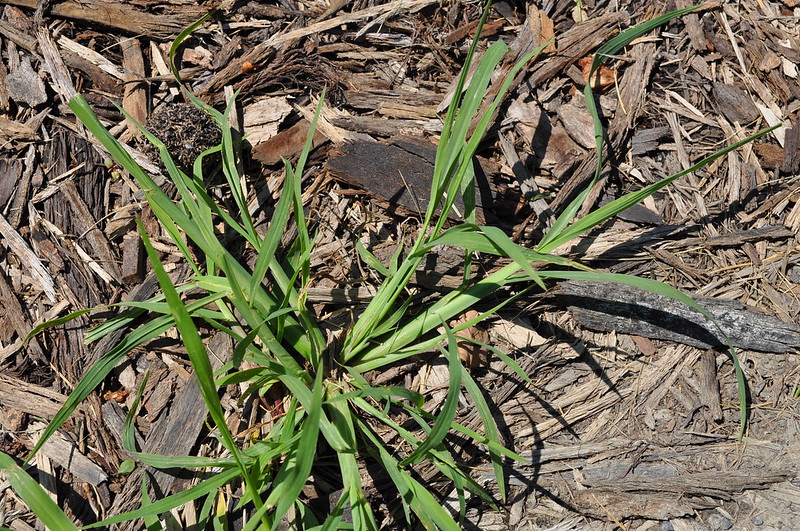
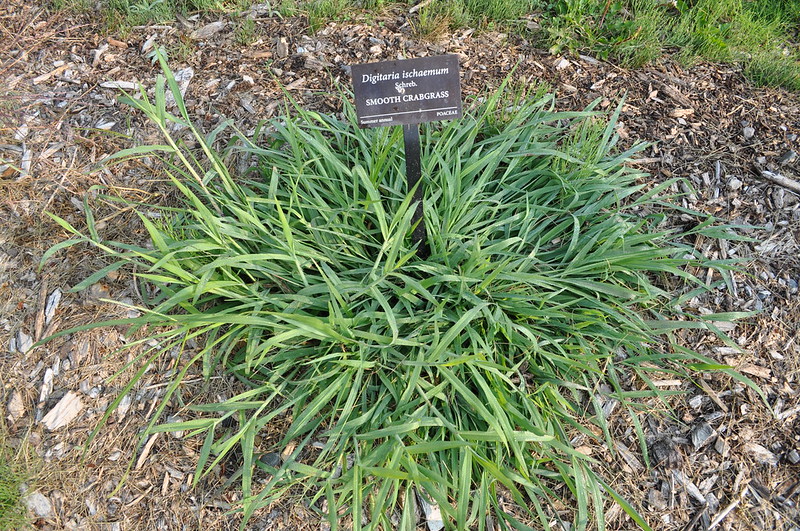
Before you can effectively defend your lawn from this green intruder, it’s important to know thy enemy. Crabgrass (aka the villain in our summer lawn saga) is not just one plant, but a common name for several species of grasses that are, well, crabby. Officially known as Digitaria, this opportunistic annual plant germinates when the soil warms up and thrives in hot, dry conditions—basically, it’s the plant equivalent of that friend who loves summer a little too much.
Lifecycle and Growth Patterns of Crabgrass
Crabgrass is a master of survival, playing the long game when it comes to life cycles. Here’s the play-by-play:
- Germination: It begins its journey in the spring, when soil temperatures consistently hit 55-60°F (12-15°C) for a few days in a row.
- Growth Spurt: As temperatures rise, it shifts into turbo mode, growing rapidly and spreading its tendrils across your lawn.
- Seeding: By late summer, it’s setting seeds for the next year—thousands of them, from each plant!
- The End…?: As a true annual, it dies in the fall with the first frost, but don’t break out the confetti just yet—it leaves behind a legacy of seeds ready to start the cycle anew.
Why Crabgrass is More than Just an Aesthetic Issue
While crabgrass may be the unsolicited guest crashing your lawn’s party, its effects are more than just cosmetic.
- Nutrient Hog: It competes with your lawn for vital nutrients, often out-eating the grass you actually want.
- Water Thief: It’s greedy with water too, leaving less for your grass and garden plants.
- Bare Patches Galore: When crabgrass dies in the fall, it leaves behind bare patches, perfect for more crabgrass to grow the following spring. Talk about a self-invited recurring guest!
Prevention Strategies
When it comes to crabgrass, an ounce of prevention is worth a pound of cure—or in this case, a well-timed application of pre-emergent herbicide is worth a summer free from weeding woes.
Pre-emergent Herbicides: What They Are and How They Work
Imagine a protective barrier floating over your soil, ready to zap crabgrass seeds as they attempt their springtime sprout. That’s essentially what pre-emergent herbicides do. They’re the lawn care equivalent of a bouncer, keeping the unwanted crabgrass seeds from ever taking root.
- Action: These herbicides don’t actually stop the seed from germinating but prevent the newly sprouted seedlings from developing further.
- Application: They must be applied before the crabgrass seeds germinate, which is a bit like trying to beat a ninja to the punch—timing is everything!
Timing for Application: Understanding Soil Temperature and Regional Differences
To outsmart crabgrass, you need to be as attuned to the weather as a farmer almanac. Here’s a soil temperature cheat sheet to guide your application timing:
- Spring Forward: As soon as the soil consistently reaches 55°F (about the time forsythias bloom), it’s game time for pre-emergents.
- Regional Rhythms: Your local climate dictates the schedule. In warmer regions, this could be as early as February. In cooler zones, you might be waiting until April or May.
Organic Alternatives to Chemical Pre-emergents
For those who prefer their lawn care with a side of environmental friendliness, there are organic options that can help prevent crabgrass without the chemical footprint.
- Corn Gluten Meal: This byproduct of corn milling can inhibit seed germination. Plus, it’s high in nitrogen, which is like a protein shake for your lawn.
- Cultural Practices: Remember, a thick, healthy lawn is your best defense. Overseeding and proper fertilization can create a turf so lush, crabgrass seeds throw in the towel.
Cultural Practices for Crabgrass Prevention
Roll up your sleeves, because it’s time to talk about the cultural practices that can make your lawn an uncongenial host for crabgrass. It’s not just about what you put on your lawn, but how you care for it that can make all the difference.
Maintaining Lawn Health to Deter Crabgrass
A healthy lawn is to crabgrass what garlic is to vampires—a powerful deterrent. Here’s how to achieve that robust lawn vigor:
- Soil Testing: Begin with a soil test. It’s like a physical for your lawn, diagnosing any deficiencies that could weaken your grass and invite crabgrass to move in.
Optimal Mowing Practices
Mowing isn’t just about keeping your lawn looking neat. It’s a strategic operation in the war on weeds:
- Height Matters: Keep your grass at the higher end of its recommended mowing height. This shades the soil, keeping it cool and making it tough for crabgrass to germinate.
- Sharp Blades: Dull mower blades tear the grass, causing stress and vulnerability. Sharp blades make clean cuts, promoting healthy growth.
Watering Techniques to Strengthen Grass Roots
Proper watering can mean the difference between a lawn that’s a crabgrass cafeteria and one that’s a fortress:
- Deep and Infrequent: Water deeply but infrequently to encourage grass roots to grow deep and strong, beyond the reach of the shallow-rooted crabgrass.
- Morning Ritual: Water in the early morning to reduce evaporation and fungal diseases.
Proper Fertilization Schedule
Feed your lawn with the right stuff at the right times:
- Balanced Diet: Use a balanced fertilizer to ensure your grass gets all the necessary nutrients.
- Seasonal Timing: Fertilize cool-season grasses in fall and spring, and warm-season grasses in late spring or early summer.
The Role of Overseeding in Crabgrass Prevention
Bare patches are like welcome mats for crabgrass. Overseeding is like hiring a bouncer for your lawn party:
- Thick Turf: Overseeding creates a dense grass canopy that’s tough for crabgrass to penetrate.
- Choose Wisely: Select grass varieties that are competitive with crabgrass and suitable for your climate.
Soil Aeration to Improve Lawn Health
Compacted soil is a crabgrass conspiracy. Aerating is like breaking up a spy ring:
- Breathe Easy: Aerating allows your lawn to breathe, improving water and nutrient uptake.
- Timing: Aerate during your lawn’s peak growing period for best results.
Identifying and Targeting Early Growth
The early stages of a crabgrass invasion are like a stealthy game of hide and seek. Your mission, should you choose to accept it, involves detective work and timely intervention.
How to Identify Young Crabgrass Plants
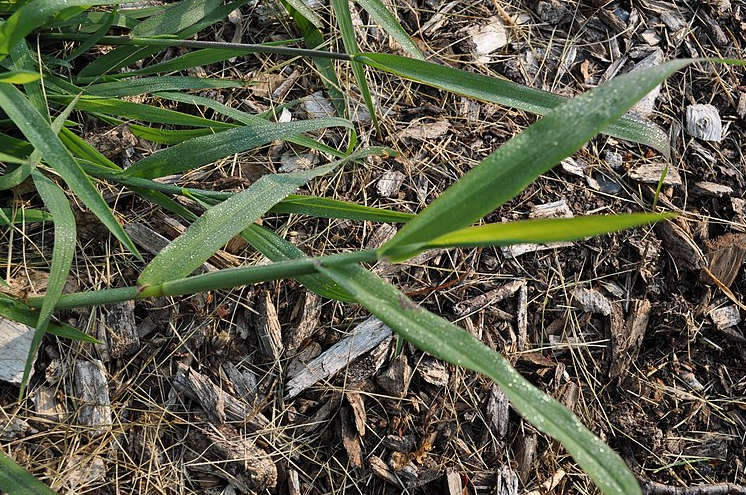
Crabgrass seedlings can be as sneaky as a garden gnome in the night. To spot these little green interlopers:
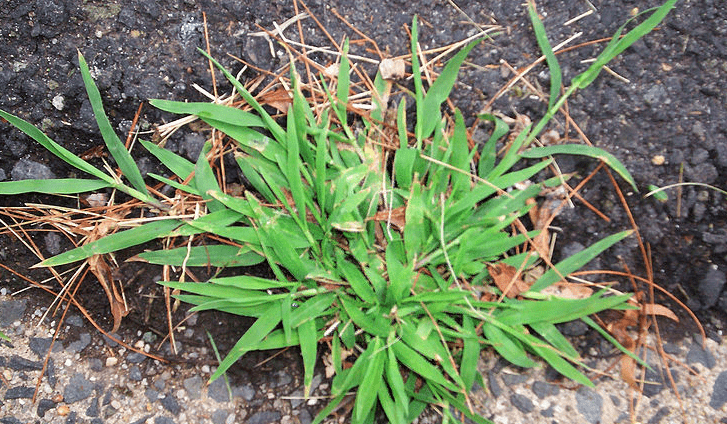
- Leaf Shape: Look for light green, pointed leaves that spread out from the center like a star or crab—hence the name.
- Growth Pattern: Young crabgrass has a prostrate growth habit, often staying low to the ground.
Manual Removal Techniques for Small Infestations
For those who like to get hands-on in their gardening:
- Pulling: If you have just a few crabgrass plants, get down and dirty, and pull them out by hand—root and all.
- Tool Time: Use a weeding tool to pry out stubborn roots. It’s like a mini battle-axe for your crabgrass skirmish.
Selective Post-emergent Herbicides for Larger Problems
When the crabgrass seems to be throwing a block party:
- Choose Selectively: Use a post-emergent herbicide that targets crabgrass without harming your lawn.
- Spot Treatment: Act like a sniper and apply it directly to the crabgrass to minimize collateral damage.
Natural Remedies and Their Effectiveness
For the eco-warrior gardeners among us:
- Vinegar Solution: A vinegar, salt, and soap mixture can burn young crabgrass, but be cautious—it’s non-selective and can harm other plants.
- Boiling Water: Pouring boiling water is a method of last resort for areas where you don’t want anything to grow at all, like cracks in a driveway.
Repair and Recovery
After the skirmish with crabgrass is over, it’s time to heal the battlefield. Your lawn may have a few scars—bare spots where the crabgrass once was. Fear not! With the right care, these can be restored to their former glory.
Repairing the Damage: Filling in Bare Spots
Bare patches in your lawn are like open invitations to weeds. Here’s how to graciously uninvite them:
- Soil Prep: Loosen the soil and remove any debris or dead crabgrass left behind.
- Seed Selection: Sprinkle the area with a grass seed mix that matches your existing lawn.
- TLC: Keep the seeds moist with light watering until they germinate and establish.
Choosing the Right Grass Seed for Your Climate
Not all grasses are created equal. Some like it hot; others thrive in cooler temps. Here’s the scoop:
- Cool-Season Grasses: For northern climates, look for fescue, bluegrass, or rye.
- Warm-Season Grasses: In the south, Bermuda, St. Augustine, or zoysia will be your go-to.
- Microclimates Matter: Consider shady areas, drought-prone spots, and foot traffic when selecting your seed.
Post-Treatment Lawn Care
Once you’ve patched up your lawn, it’s all about the follow-through:
- Water Wisely: Keep the soil consistently moist but not waterlogged to encourage new growth.
- First Mow: Wait until your new grass is 3 inches tall before its first trim.
- Fertilize: A starter fertilizer can give your new seedlings the boost they need.
Advanced Tips and Tricks
Once you’ve got the basics down, it’s time to level up your lawn care game. These advanced strategies are like the secret sauce that can keep your lawn in tip-top shape and crabgrass at bay.
Innovative Lawn Care Tools and Equipment
In the garden shed of the future, these tools are the unsung heroes:
- Smart Sprinklers: Invest in a sprinkler system with a brain. These devices can sense when your lawn needs water and when it’s had enough, which helps prevent the overwatering that crabgrass loves.
- Robot Lawn Mowers: Like a trusty sidekick, these automated mowers keep your grass at just the right height, discouraging crabgrass without you having to lift a finger.
Utilizing Landscaping to Minimize Crabgrass Exposure
Your lawn’s layout can be a strategic defense against crabgrass:
- Ground Cover for the Win: Planting ground covers in troublesome areas can crowd out crabgrass.
- Mulch Madness: A thick layer of mulch in garden beds can prevent crabgrass seeds from ever seeing the light of day.
Tips for Dealing with Crabgrass in Garden Beds and Pavements
Crabgrass doesn’t limit its ambitions to your lawn—it has dreams of conquering your garden beds and pavements too.
- Edging: Use edging around garden beds to create a physical barrier against crabgrass.
- Crack Fillers: For crabgrass growing in pavement cracks, consider using polymeric sand or a crack filler product to nip it in the bud.
FAQ Section
Got questions? We’ve harvested the most common head-scratchers about crabgrass and served up some answers that should help clear the haze.
Q1: When is the best time to apply pre-emergent herbicides?
A1: Timing is everything! Apply pre-emergent herbicides when the soil temperature reaches 55°F consistently, usually in early spring before the crabgrass seeds germinate.
Q2: Are there any pet-friendly crabgrass prevention methods?
A2: Absolutely! Opt for organic pre-emergents like corn gluten meal, and focus on cultural practices such as proper mowing and watering to maintain a thick, healthy lawn.
Q3: How can I tell the difference between crabgrass and other types of grass?
A3: Crabgrass has a lighter green color, a coarse texture, and grows outwards in a star pattern. It’s like the plant version of a sprawling starfish.
Q4: Can crabgrass be completely eradicated?
A4: While it’s tough to eradicate completely, with diligent care and the right strategies, you can keep it to a bare minimum—think ‘lone cowboy in a ghost town’ levels.
Q5: How often should I water my lawn to prevent crabgrass?
A5: Water deeply but infrequently—about 1 inch of water per week should do the trick. This encourages deep root growth of your lawn grass, which can outcompete crabgrass.
Q6: What should I do if I’ve missed the early spring window for prevention?
A6: Don’t despair! Focus on maintaining lawn health and apply post-emergent herbicides if necessary. There’s always next season to get ahead of the game.
Q7: Are there any environmental concerns with using crabgrass herbicides?
A7: Chemical herbicides can have environmental impacts, so consider using them responsibly and exploring organic options if you’re eco-inclined.
Q8: How does overseeding help with crabgrass prevention?
A8: Overseeding creates a dense turf that leaves little room for crabgrass to establish. It’s like throwing a lawn party and not sending crabgrass an invite.
Q9: Can crabgrass spread to my vegetable garden?
A9: It can if it’s close by. Keep a vigilant eye and use mulch in your garden beds to prevent crabgrass from moving in.
Q10: What are the long-term strategies for crabgrass management?
A10: Long-term, your best bet is to maintain a healthy lawn with proper fertilization, watering, mowing, and timely herbicide application.
Conclusion
With the strategies and tips shared, you’re now well-equipped to take on the crabgrass challenge. Remember, like any good gardener knows, lawn care is a marathon, not a sprint. It requires patience, consistency, and a bit of elbow grease. But fear not, with a proactive approach and a little know-how, you can keep your lawn looking more like the lush greens of Augusta National and less like a crabgrass convention. So here’s to a green, healthy, crabgrass-free lawn—may your blades be sharp, your soil fertile, and your garden gloves ever stylish!
