
Water gardens are a captivating way to bring tranquility and natural beauty to your outdoor space. Whether you’re envisioning a small pond, a bubbling fountain, or a serene lake, the right plants can transform your water feature into a thriving, living ecosystem. As an enthusiastic gardener with a passion for crafting unique garden spaces, I’ve curated a list of the best plants to consider for your water garden.
Understanding Your Water Garden Environment
Before diving into plant selections, it’s important to understand the environment you’re working with. Water gardens vary in depth, sunlight exposure, and climate, all of which influence which plants will thrive. Here’s what you should consider:
- Depth of Water: Some plants prefer shallow waters (1-2 inches deep), while others thrive in deeper areas (3 feet or more).
- Sunlight Exposure: Like all plants, water garden species have specific light needs—some flourish in full sun, while others prefer shade.
- Climate: Consider your local climate and whether you want perennials that return each year or annuals that add a splash of color for one season.
Essential Plants for a Balanced Water Garden
1. Marginal Plants: Framing the Edges
Marginal plants grow in the shallow edges of your water garden, adding height, texture, and vibrant color. Here are some top choices:
- Cattails (Typha): These iconic plants are perfect for larger ponds, adding vertical interest and providing shelter for wildlife.
- Water Iris (Iris pseudacorus): With their striking flowers and tall, sword-like leaves, water irises add a pop of color in late spring and early summer.
- Pickerelweed (Pontederia cordata): This native plant is known for its beautiful spikes of purple flowers that attract pollinators.
Personal Note: I’ve found that water irises are not only stunning but also incredibly hardy. They’ve thrived in my pond through varying weather conditions, and their blooms are always a highlight of the season.
2. Floating Plants: The Perfect Cover
Floating plants provide shade, reduce algae growth, and offer shelter for fish. They’re an essential part of any water garden’s ecosystem.
- Water Lilies (Nymphaea): Perhaps the most famous water garden plant, water lilies come in a variety of colors and add a classic touch to any pond.
- Water Hyacinth (Eichhornia crassipes): Known for their beautiful lavender flowers, water hyacinths float on the surface and multiply quickly, creating a lush, green cover.
- Duckweed (Lemna minor): A small but mighty plant, duckweed spreads across the surface, providing essential cover and helping to control algae.
Personal Note: I’ve experimented with various floating plants, and I’ve found that a combination of water lilies and water hyacinths creates a visually stunning and well-balanced water garden. The contrast between the large lily pads and the delicate hyacinth blooms is simply breathtaking.
3. Submerged Plants: The Underwater Gardeners
Submerged plants, also known as oxygenators, are vital for maintaining a healthy water garden. They improve water quality by absorbing excess nutrients and providing oxygen.
- Anacharis (Elodea canadensis): This fast-growing plant is excellent for oxygenating the water and providing a hiding place for fish.
- Hornwort (Ceratophyllum demersum): A feathery plant that grows quickly and doesn’t require rooting, making it easy to maintain.
- Vallisneria (Vallisneria americana): With its long, ribbon-like leaves, Vallisneria creates an underwater meadow that fish love to swim through.
Author’s Tip: Don’t underestimate the importance of submerged plants. In my experience, they’re the unsung heroes of water gardens, keeping the water clear and balanced. I always make sure to include at least two varieties in my ponds.
Complementing Your Water Garden with Fish and Wildlife
The right plants will naturally attract wildlife, but adding fish can enhance the ecosystem and create a more dynamic environment.
- Koi and Goldfish: These colorful fish are popular choices for water gardens and help control mosquito larvae.
- Frogs and Dragonflies: Encouraging these creatures adds movement and life to your garden. They’re natural pest controllers too!
Personal Note: Watching dragonflies dance above the water’s surface is one of my favorite summer pastimes. They add a magical quality to the garden and are a sign of a healthy ecosystem.
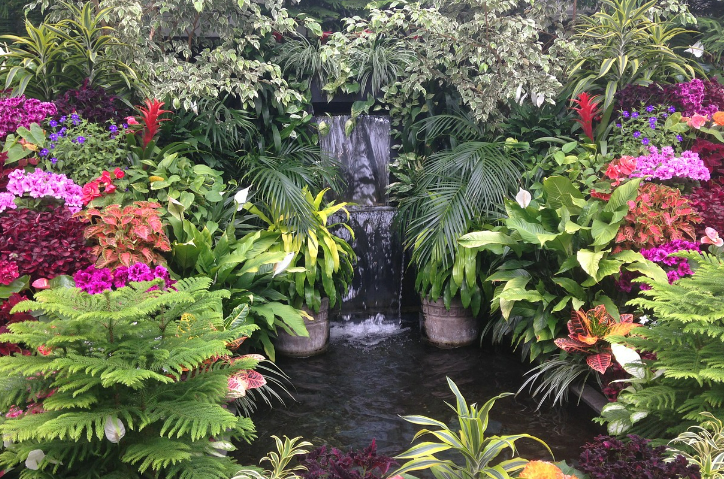
Creating a water garden is a rewarding endeavor that adds a unique element to your landscape. By carefully selecting a variety of marginal, floating, and submerged plants, you’ll establish a balanced and beautiful ecosystem. Remember, every water garden is a personal expression of your style and creativity, so don’t be afraid to experiment with different plants and layouts.
As an avid gardener, I’ve found that water gardens offer endless possibilities for exploration and enjoyment. Whether you’re starting small or dreaming big, the plants you choose will bring your water garden to life in ways you never imagined.
Author’s Tip: Start with a few key plants and build your garden gradually. This approach allows you to observe how each plant interacts with its environment, making adjustments as needed for a thriving water garden.
