
As an enthusiastic gardener, I’ve learned that the key to a thriving garden often lies in the details—the small, seemingly insignificant signs that something might be amiss. One such garden menace that’s particularly sneaky is the spider mite. These tiny pests can cause massive damage before you even realize they’re there. Let’s dive into how to spot the early signs of spider mites so you can save your beloved plants before it’s too late.
What Are Spider Mites?
Spider mites are minuscule arachnids, related to spiders, that thrive in warm, dry conditions. Despite their tiny size—barely visible to the naked eye—spider mites can wreak havoc on your plants, both indoors and outdoors. They feed by piercing plant cells and sucking out the contents, leaving behind a trail of destruction.
Why You Should Be Concerned
You might wonder, “Why should I worry about such tiny creatures?” The answer lies in their ability to reproduce rapidly. A single female spider mite can lay hundreds of eggs, and in just a few days, those eggs hatch, leading to an infestation that can overwhelm your plants in no time.
Early Warning Signs of Spider Mites
Catching spider mites early is crucial for controlling their spread. Here’s what to watch out for:
1. Tiny White or Yellow Spots
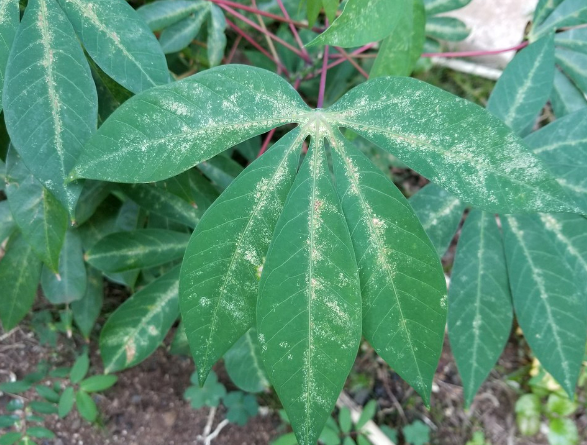
One of the first signs is the appearance of tiny white or yellow specks on the leaves. These spots are where the mites have punctured the plant cells to feed. At first, these spots might seem insignificant, but they can quickly spread, causing widespread leaf discoloration.
2. Fine Webbing on Leaves
Spider mites are known for producing fine, silk-like webbing. If you start noticing delicate webs on the underside of leaves or between branches, it’s a strong indication that spider mites are present. The webbing is often most visible in the morning dew or after watering your plants.
3. Faded, Dull-Looking Foliage
As spider mites continue to feed, the overall health of the plant deteriorates. The leaves may start to look dull, faded, or even bronzed. This discoloration is a sign that the plant is losing its vitality as the mites suck out its nutrients.
4. Speckled Leaves
If you notice that the leaves of your plants have a speckled appearance, this could be another red flag. The speckling is caused by the loss of chlorophyll as the mites feed, leading to reduced photosynthesis and a weakened plant.
5. Leaf Drop
In more severe cases, infested plants may start to lose their leaves prematurely. If your plants are shedding leaves during their growing season, it’s worth checking for spider mites.
How to Confirm Spider Mites Are the Culprit
If you suspect spider mites but aren’t entirely sure, try the following method:
- White Paper Test: Hold a white piece of paper under a leaf and gently tap the leaf. If spider mites are present, you’ll see tiny, moving specks on the paper—these are the mites.
My Experience Battling Spider Mites
I remember the first time I encountered spider mites. My once-vibrant tomato plants started to look tired and pale, and I couldn’t figure out why. It wasn’t until I noticed the fine webbing that I realized what was happening. By then, the mites had already spread to several other plants. It was a tough battle, but with persistence and a few organic treatments, I managed to bring my garden back to life. Trust me, catching these pests early is half the battle!
Preventative Measures and Control
Once you’ve identified spider mites, it’s important to act quickly. Here are some steps you can take to prevent and control infestations:
- Regularly Inspect Your Plants: Make it a habit to check the undersides of leaves and the overall health of your plants. The earlier you catch an infestation, the easier it will be to manage.
- Increase Humidity: Spider mites thrive in dry conditions. By misting your plants or using a humidifier, you can make the environment less hospitable for them.
- Introduce Beneficial Insects: Predatory insects like ladybugs and lacewings feed on spider mites and can help keep their population in check.
- Organic Sprays: Neem oil, insecticidal soaps, and horticultural oils are effective at controlling spider mites without harming beneficial insects.
Spider mites may be small, but they can cause big problems in your garden. By staying vigilant and knowing the early signs, you can protect your plants from these sneaky pests. Don’t wait until it’s too late—regular inspections and preventative measures can save you a lot of headaches (and heartbreak) down the line.
Keep your garden healthy and spider mite-free, and you’ll be rewarded with vibrant, thriving plants all season long!
