
Dieffenbachias are popular houseplants known for their striking leaves and easy-going nature. However, one of the most common issues that dieffenbachia owners face is root rot—a sneaky problem that can swiftly lead to the demise of your beloved plant. In this article, we’ll delve into the causes of dieffenbachia root rot, how to prevent it, and what you can do to save a plant that’s already affected. I’ll also share my personal experience and tips to keep your dieffenbachia thriving.
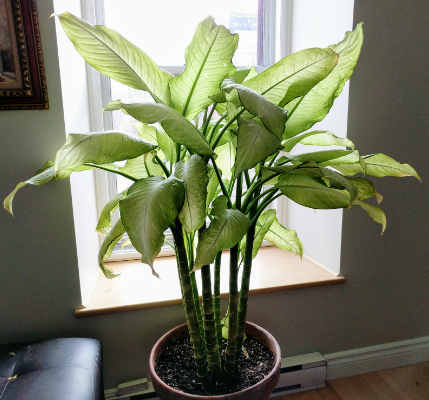
Understanding Dieffenbachia Root Rot
What Is Root Rot?
Root rot is a condition that occurs when the roots of a plant begin to decay due to excessive moisture and poor drainage. It’s primarily caused by fungal infections, which thrive in wet, oxygen-poor environments. Unfortunately, by the time you notice symptoms on your dieffenbachia’s leaves, the root system may already be extensively damaged.
Causes of Dieffenbachia Root Rot
- Overwatering: The most common cause of root rot is overwatering. Dieffenbachias prefer to dry out a bit between waterings, and consistently wet soil can lead to root decay.
- Poor Drainage: Using pots without drainage holes or soil that retains too much water can create an ideal environment for root rot.
- Cool Temperatures: Dieffenbachias thrive in warm, humid conditions. When exposed to cooler temperatures, the plant’s growth slows down, and its ability to absorb water diminishes, which can lead to waterlogged soil and root rot.
- Contaminated Soil: Fungal spores that cause root rot can be present in contaminated soil, infecting the roots and spreading the disease.
Signs of Root Rot in Dieffenbachias
Leaf Symptoms
One of the earliest signs of root rot is yellowing leaves, often starting from the lower part of the plant. The leaves may also become soft, wilt, or develop brown spots.
Soil Odor
If you notice a foul, musty smell coming from the soil, it’s a strong indicator that root rot has set in. Healthy soil should have a fresh, earthy scent.
Root Appearance
If you suspect root rot, gently remove the dieffenbachia from its pot and inspect the roots. Healthy roots are white and firm, while rotten roots will appear brown or black, mushy, and may easily break apart.
How to Prevent Dieffenbachia Root Rot
Watering Wisely
To prevent root rot, it’s crucial to water your dieffenbachia properly. Allow the top inch of soil to dry out before watering again. Always water thoroughly until water runs out of the drainage holes, and then let the pot drain completely.
Choosing the Right Pot and Soil
Select a pot with adequate drainage holes to ensure excess water can escape. Use a well-draining potting mix designed for indoor plants, or create your own mix by combining equal parts of potting soil, perlite, and orchid bark.
My Tip: I always add a layer of small stones or broken pottery at the bottom of the pot before adding soil. This extra step improves drainage and helps prevent root rot.
Temperature and Humidity Control
Keep your dieffenbachia in a warm environment, ideally between 65°F and 75°F (18°C to 24°C). Avoid placing it near drafts, air conditioners, or heaters, as fluctuating temperatures can stress the plant and make it more susceptible to root rot.
Maintaining proper humidity is also key. If your home is dry, consider using a humidifier or placing a tray of water near the plant to increase humidity levels.
How to Save a Dieffenbachia with Root Rot
Immediate Action: Repotting
If you suspect root rot, act quickly. Carefully remove the plant from its pot and inspect the roots. Trim away all the affected roots using sterilized scissors, cutting back to healthy, white roots. Repot the dieffenbachia in fresh, well-draining soil and a clean pot with proper drainage.
Reducing Watering
After repotting, water the dieffenbachia sparingly for the next few weeks, allowing the roots to recover. Be sure to keep it in a warm, bright location to promote healthy growth.
Using Fungicides
In severe cases, you may need to apply a fungicide to combat the fungal infection. Choose a product labeled for houseplants and follow the instructions carefully. However, keep in mind that fungicides can be harsh, and it’s better to focus on prevention through proper care.
My Experience with Dieffenbachia Root Rot
I’ve had my fair share of encounters with root rot, especially during my early days of plant care. One time, I nearly lost a beautiful dieffenbachia because I was too generous with watering. I learned the hard way that over-caring can be just as harmful as neglect.
After rescuing the plant by repotting it and adjusting my watering habits, it bounced back and thrived. This experience taught me the importance of understanding each plant’s unique needs and being vigilant about the signs of trouble.
Final Thoughts
Dieffenbachia root rot can be a devastating problem, but with the right knowledge and care, you can prevent it and save your plants. By following proper watering techniques, ensuring good drainage, and keeping an eye out for early signs of trouble, you’ll be well on your way to growing a healthy, vibrant dieffenbachia.
Remember, every plant has its quirks, and part of the joy of gardening is learning how to meet their needs. Happy gardening!
