
Ficus Elastica, commonly known as the rubber plant, is a popular choice for both indoor and outdoor gardening. With its broad, glossy leaves and air-purifying qualities, it’s no wonder why this plant has found its way into many homes and gardens. But did you know there are various Ficus Elastica varieties, each with its unique charm? In this article, we’ll explore these varieties, share tips on how to care for them, and offer some personal insights from my own gardening experience.
What Are the Different Ficus Elastica Varieties?
Ficus Elastica ‘Robusta’
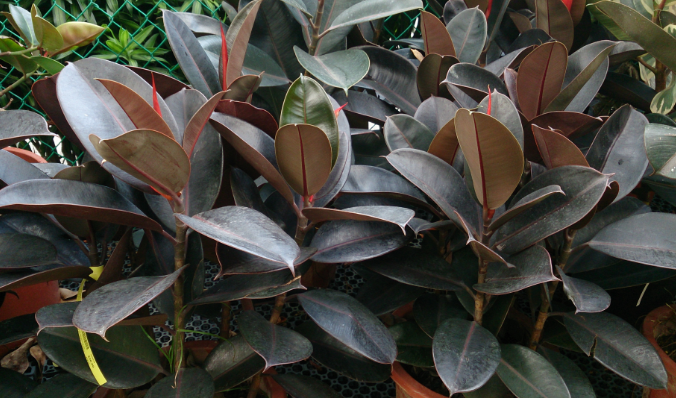
The ‘Robusta’ variety is perhaps the most recognized type of rubber plant. It’s known for its large, dark green leaves that have a slightly waxy texture. This variety is perfect for those who want a low-maintenance plant that makes a bold statement.
My Experience: I’ve had a ‘Robusta’ in my living room for years, and it’s always been a reliable grower. It’s easy to care for and adds a lush, tropical vibe to any space.
Ficus Elastica ‘Tineke’
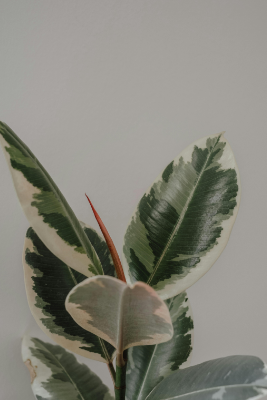
‘Tineke’ is a variegated variety, featuring leaves with creamy white, green, and sometimes pink hues. This variety is perfect for adding a touch of elegance to your indoor garden.
My Experience: The ‘Tineke’ in my collection is one of my favorites. Its variegation can be a bit more demanding in terms of light, but the striking leaf patterns are well worth the extra effort.
Ficus Elastica ‘Burgundy’
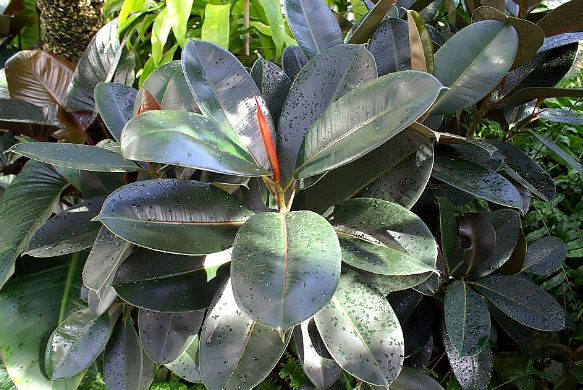
As the name suggests, the ‘Burgundy’ variety has deep, reddish-brown leaves that almost appear black under certain lighting. This variety is perfect for those who want something a little more dramatic.
My Experience: I love the ‘Burgundy’ variety for its rich, dark foliage. It’s a real showstopper, especially when paired with lighter-colored plants.
Ficus Elastica ‘Ruby’
‘Ruby’ is another variegated variety but with more pronounced pink tones. The leaves have a mix of green, white, and pink, making it one of the most colorful Ficus Elastica varieties.
My Experience: The ‘Ruby’ is a newer addition to my collection, and I’ve found it to be a bit finicky. However, with the right light and care, it rewards you with the most stunning foliage.
Ficus Elastica ‘Shivereana’
‘Shivereana’ is a rare variety with unique speckled green and cream-colored leaves. It’s a must-have for any Ficus enthusiast looking for something truly unique.
My Experience: I’ve only recently started caring for a ‘Shivereana,’ and it’s been a rewarding challenge. The speckled leaves are unlike anything else in my collection, making it a standout piece.
Caring for Your Ficus Elastica Varieties
Light Requirements
Ficus Elastica varieties generally thrive in bright, indirect light. Variegated types like ‘Tineke’ and ‘Ruby’ may require more light to maintain their vibrant colors.
Tip: If you notice the colors fading, try moving your plant to a brighter spot. However, avoid direct sunlight, as it can scorch the leaves.
Watering Tips
Rubber plants prefer consistent moisture but don’t like to sit in water. Water your Ficus Elastica when the top inch of soil feels dry.
My Advice: Overwatering is a common issue with Ficus Elastica. Make sure your pot has good drainage, and be cautious not to water too frequently.
Soil and Fertilization
These plants do well in well-draining soil rich in organic matter. A peat-based potting mix with added perlite or sand works well. Fertilize during the growing season with a balanced, water-soluble fertilizer.
Pruning and Repotting
Pruning your Ficus Elastica can help maintain its shape and encourage new growth. Repotting is usually needed every 1-2 years, depending on growth.
My Experience: I prune my rubber plants in early spring to promote bushier growth. Repotting is a must when the roots start circling the pot.
Common Problems and Solutions
Yellowing Leaves: This can be a sign of overwatering. Check the soil and adjust your watering routine.
Drooping Leaves: Often a sign of underwatering or insufficient light. Ensure your plant is getting enough water and light.
Leaf Drop: Sudden leaf drop can occur due to changes in environment, such as moving the plant or temperature fluctuations.
Final Thoughts: Why I Love Ficus Elastica Varieties
Ficus Elastica varieties are incredibly versatile and rewarding plants. Whether you’re drawn to the classic ‘Robusta’ or the more exotic ‘Shivereana,’ there’s a rubber plant out there for every gardener. Over the years, I’ve found these plants to be resilient and relatively easy to care for, making them perfect for both beginners and seasoned plant enthusiasts.
So, whether you’re looking to add a new plant to your collection or just want to learn more about these beautiful varieties, Ficus Elastica is a great choice. Happy gardening!
