
Weeds can be a persistent nuisance for any lawn or garden enthusiast. But what happens to these invaders when winter rolls around? Do they die off entirely, giving your yard a break, or do they hibernate, waiting for spring? Let’s explore what really happens to weeds in the winter and how you can manage them effectively.
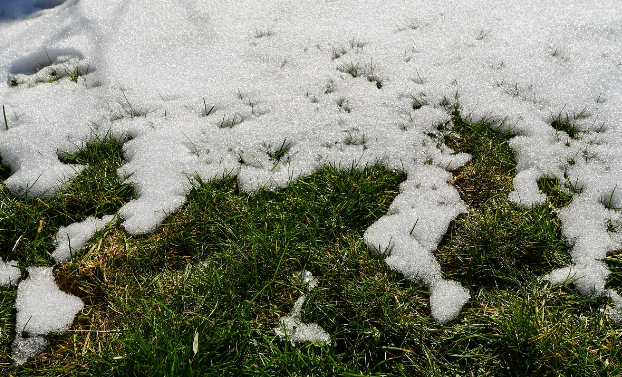
Do Weeds Die in the Winter?
Winter does affect weeds, but the answer to whether they die off entirely is: it depends. Not all weeds respond to cold temperatures in the same way. Some will perish in the frost, while others merely go dormant and return once the warmer months arrive.
Annual Weeds vs. Perennial Weeds
Annual Weeds
Annual weeds, such as crabgrass and goosegrass, complete their entire life cycle in a single growing season. They germinate, grow, and produce seeds all within one year. When winter hits, these weeds die. But don’t breathe a sigh of relief just yet. Their seeds can survive through the cold months, lying dormant in the soil and ready to sprout as soon as conditions are favorable again.
Author’s Tip: “Even though annual weeds may seem to disappear in winter, be proactive! Tackle them in the fall by applying pre-emergent herbicides to prevent seeds from sprouting come spring.”
Perennial Weeds
Perennial weeds like dandelions and thistles are far more stubborn. They can survive the winter by going dormant. Their roots remain intact beneath the soil, waiting for the warmth of spring to bring them back to life. These types of weeds can be a bigger challenge since they’re capable of regrowing year after year.
Winter Hardy Weeds
Some weeds are exceptionally resilient and thrive even in cold conditions. Chickweed and wild garlic are examples of winter annual weeds that grow actively during the cooler months. These weeds can even stay green and vibrant throughout winter, which is why it’s essential not to ignore your lawn just because it’s cold outside.
How to Handle Weeds During the Winter
Mulching to Suppress Weeds
One of the most effective ways to prevent weeds from making a winter comeback is through mulching. Mulching not only protects your plants but also suppresses weed growth by depriving seeds of sunlight.
Author’s Opinion: “I’ve found mulching to be incredibly helpful during the winter months. I use a thick layer of organic mulch, like straw or shredded leaves, to create a protective barrier against weeds in my garden.”
Winter Herbicide Treatments
Though it might seem counterintuitive, you can still apply herbicides in the winter. Post-emergent herbicides work best on winter annual weeds like chickweed and henbit. However, timing is crucial – it’s best to apply them on warmer winter days when weeds are actively growing.
Pro tip: If you notice persistent green weeds during winter, don’t hesitate to apply a targeted herbicide to prevent them from taking over your lawn.
Do Freezing Temperatures Kill Weeds?
Freezing temperatures will kill some weeds, but this varies depending on the type. Most annual weeds, for instance, can’t survive frost. However, their seeds are tough and will remain viable throughout the cold months.
Perennial weeds, on the other hand, have deep root systems that aren’t affected by surface-level freezing. While their growth may halt, they’ll come back once conditions improve.
How Frost Affects Weeds
- Annual Weeds: Frost typically kills these plants, but the seeds remain.
- Perennial Weeds: Frost kills the visible part of the plant, but roots remain intact, allowing regrowth in spring.
- Winter Annual Weeds: These weeds thrive during the winter months and will grow despite frost.
The Importance of Fall Weed Prevention
If you want to reduce the presence of weeds during winter and the following spring, fall is the key time to take action. By preparing your lawn in the autumn, you can get ahead of the weed cycle and give your grass a better chance to thrive.
Fall Lawn Care Tips:
- Aerate the soil to improve airflow and encourage healthy grass growth.
- Apply pre-emergent herbicides to prevent annual weed seeds from germinating.
- Use fertilizer to strengthen your lawn’s root system, which helps crowd out weeds.
- Rake up leaves regularly to prevent moisture buildup and mold growth, which can attract weeds.
Author’s Experience: “I’ve made fall weed control a priority in my own garden. By aerating and applying pre-emergents, I’ve seen a noticeable reduction in weeds come springtime, making lawn care much more manageable.”
Final Thoughts on Winter Weeds
So, do weeds die in the winter? Some do, while others simply take a break and prepare to return with a vengeance. The key is to understand which type of weeds you’re dealing with and take proactive steps to manage them before they become a bigger problem in the spring.
Winter can be a great time to stay ahead of the weed battle, even when it seems like your garden is asleep. With the right care and attention, you can ensure that weeds won’t overrun your lawn once the weather warms up.
