
Potting soil is a staple for any gardener, whether you’re cultivating a small indoor plant or tending to a thriving outdoor garden. But have you ever found an old bag of potting soil in your shed or garage and wondered, “Does potting soil go bad?” In this article, we’ll explore the lifespan of potting soil, how to tell if it’s still usable, and tips for reviving or repurposing it.
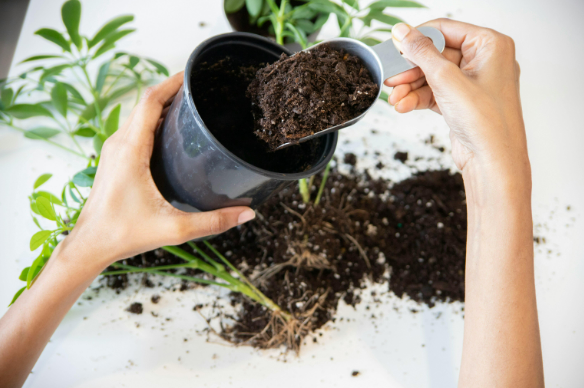
Understanding Potting Soil and Its Ingredients
Potting soil is not technically “soil” but a mix of organic and inorganic materials designed to support plant growth in containers. It typically contains:
- Peat moss or coconut coir: These provide water retention and aeration.
- Compost or decomposed organic matter: This adds nutrients.
- Perlite or vermiculite: These lightweight materials improve drainage and prevent soil compaction.
- Fertilizers: These are often added to provide a nutrient boost.
The Shelf Life of Potting Soil
Unlike food items with a clear expiration date, potting soil doesn’t have a specific shelf life. However, its quality can deteriorate over time. The degradation process depends on factors like:
- Storage conditions: Exposure to moisture, extreme temperatures, and air can cause the soil to break down faster.
- Original composition: Some potting mixes with organic matter may decompose quicker than those with more inorganic components.
Typically, potting soil can remain viable for about six months to two years if stored properly.
Signs That Potting Soil Has Gone Bad
Even without an expiration date, there are clear indicators that your potting soil may no longer be suitable for use:
Unpleasant Odor
Healthy potting soil should have a fresh, earthy smell. If it has a sour or foul odor, it may indicate the presence of harmful bacteria or mold.
Mold or Fungal Growth
White, green, or black mold on the surface of the soil is a sign that it’s harboring excess moisture and possibly harmful pathogens.
Compaction and Clumping
Soil that has become dense, hard, or clumpy is a sign that it has lost its structure and may not allow for proper root growth or aeration.
Nutrient Deficiency
Over time, the nutrients in potting soil can be depleted. If your plants aren’t thriving or showing signs of nutrient deficiencies despite regular care, the soil may be the culprit.
Can You Revive Old Potting Soil?
If you discover that your potting soil has gone bad, don’t toss it out just yet! Depending on its condition, you may be able to revive or repurpose it.
Sterilizing the Soil
If mold or bacteria are the issues, you can sterilize the soil to kill off harmful organisms. Spread the soil out on a baking sheet and heat it in the oven at 180°F (82°C) for 30 minutes. Allow it to cool before using it.
Replenishing Nutrients
Mix the old soil with fresh compost, organic fertilizers, or new potting soil to replenish nutrients. This blend can revitalize the soil and make it suitable for planting again.
Enhancing Drainage and Aeration
If the soil is compacted, mix in perlite, vermiculite, or sand to improve its structure. These amendments help restore proper drainage and aeration.
Repurposing Old Soil
If the soil is beyond revival, consider using it in your garden as a soil conditioner or as a base layer in raised beds. It can still provide benefits even if it’s not ideal for container plants.
How to Store Potting Soil to Extend Its Life
Proper storage is key to maintaining the quality of your potting soil. Here are some tips:
Keep It Dry
Moisture is the enemy of potting soil. Always store it in a dry place, preferably in a sealed container or bag to prevent exposure to air and humidity.
Store in a Cool Place
Avoid storing potting soil in areas that experience extreme temperatures. A cool, stable environment like a basement or garage is ideal.
Keep It Off the Ground
Store the soil off the ground to prevent it from absorbing moisture. A shelf or pallet works well.
My Experience with Potting Soil Longevity
As an enthusiastic gardener, I’ve encountered my fair share of old potting soil bags. One spring, I found a forgotten bag in the garage, and to my dismay, it was compacted and had a musty smell. After a bit of research and experimentation, I decided to mix it with fresh compost and perlite. To my surprise, it worked wonders, and my plants thrived!
This experience taught me the importance of checking potting soil before use and not giving up on it too quickly. Sometimes, a little TLC is all it needs to be brought back to life.
Conclusion
So, does potting soil go bad? Yes, it can, but that doesn’t mean it’s destined for the trash. By understanding the signs of degradation and knowing how to revive or repurpose old soil, you can make the most of every bag. With proper storage and care, you’ll ensure your potting soil remains a valuable resource for your garden for years to come.
Whether you’re dealing with an old bag of soil or just planning ahead, this guide should help you keep your plants happy and healthy. Happy gardening!
