
Eggshells are often seen as kitchen waste, but did you know they can be a powerful tool for your garden? In this article, we’ll dive deep into the benefits of using eggshells in your garden, how to prepare them, and creative ways to make the most of this natural resource.
Why Use Eggshells in the Garden?
A Rich Source of Calcium
Eggshells are composed of about 95% calcium carbonate, the same material that makes up limestone, a common soil amendment. Calcium is essential for plant growth, helping to strengthen cell walls and prevent issues like blossom end rot in tomatoes and peppers.
“In my own garden, I’ve noticed a significant improvement in my tomatoes since I started using eggshells. The plants are more robust, and I rarely encounter the dreaded blossom end rot.”
Natural Pest Deterrent
Crushed eggshells have sharp edges that can deter soft-bodied pests like slugs and snails. When sprinkled around plants, these sharp edges create a barrier that pests are reluctant to cross, protecting your plants naturally.
How to Prepare Eggshells for Your Garden
Cleaning and Drying
Before using eggshells in your garden, it’s crucial to clean and dry them. This process removes any residual egg whites, which can attract pests and cause unpleasant odors.
- Step 1: Rinse the eggshells thoroughly to remove any egg residue.
- Step 2: Spread them out on a baking sheet and let them air dry or place them in a low oven for about 10 minutes.
Crushing the Eggshells
Once the eggshells are dry, you can crush them into smaller pieces. This makes it easier for them to break down in the soil and release their nutrients.
- Option 1: Use a mortar and pestle for a more hands-on approach.
- Option 2: Place the shells in a plastic bag and crush them with a rolling pin.
Creative Ways to Use Eggshells in the Garden
Soil Amendment
One of the most common ways to use eggshells is as a soil amendment. Simply mix the crushed shells into the soil around your plants, focusing on those that benefit most from extra calcium, like tomatoes, peppers, and eggplants.
Seed Starters
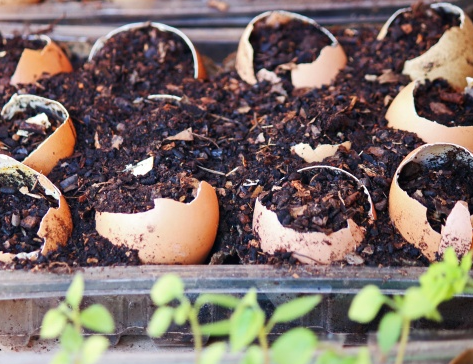
Eggshells can also be used as biodegradable seed starters. Fill half an eggshell with potting soil, plant your seed, and when it’s time to transplant, place the entire eggshell in the ground. The shell will break down over time, providing nutrients to the growing plant.
Compost Boost
Adding eggshells to your compost bin can help balance the pH levels and add valuable minerals to the finished compost. Just make sure to crush them first to speed up the decomposition process.
Eggshells and pH Balance: What You Need to Know
While eggshells can help improve soil structure and add calcium, they can also affect the soil’s pH. If your soil is already alkaline, adding too many eggshells could raise the pH further, potentially harming acid-loving plants like blueberries and azaleas.
“I’ve found that using eggshells in moderation works best. I like to mix them with coffee grounds or pine needles to balance the pH and provide a broader range of nutrients.”
Tips for Maximizing the Benefits of Eggshells
- Mix with Other Amendments: To create a well-rounded soil amendment, mix eggshells with other organic materials like compost, coffee grounds, or bone meal.
- Use in Compost Tea: Steep crushed eggshells in water for a few days to create a nutrient-rich tea that can be used to water your plants.
- Monitor Soil pH: Regularly test your soil’s pH to ensure that your use of eggshells isn’t causing an imbalance.
Eggshells are a versatile and eco-friendly addition to any garden. From boosting soil calcium levels to deterring pests, they offer a range of benefits that can help your plants thrive. As an enthusiastic gardener, I’ve seen firsthand the positive impact eggshells can have, and I encourage you to give them a try in your own garden.
