
Proper drainage is crucial for the health of your plants. Without it, roots can become waterlogged, leading to rot and other issues that can quickly kill even the hardiest plants. If you’ve ever wondered what to put in the bottom of your planter for drainage, you’re in the right place. As an enthusiastic gardener, I’ve experimented with various methods and materials, and I’m excited to share what I’ve learned to help you achieve optimal drainage for your plants.
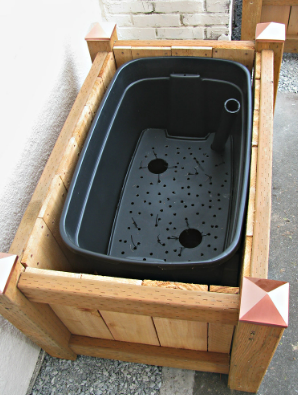
Why Drainage Matters in Planters
Poor drainage can spell disaster for your plants. When water accumulates at the bottom of a planter, it can suffocate the roots by depriving them of the oxygen they need. This leads to root rot, which can quickly spread and kill your plant. Proper drainage helps prevent these issues by allowing excess water to escape, ensuring that your plants have the right balance of moisture.
Materials You Can Use for Planter Drainage
Gravel and Pebbles
One of the most common materials used for drainage is gravel or pebbles. These small stones create a space at the bottom of the planter where excess water can collect, preventing it from sitting around the roots.
Benefits:
- Easily available and inexpensive.
- Provides excellent drainage for a variety of plants.
My Experience: I’ve found that using gravel works particularly well for larger pots and outdoor planters. It’s a simple, effective way to keep the roots of my plants from sitting in water.
Broken Pottery and Ceramic Shards
Reusing broken pottery or ceramic shards is another great option. These materials create gaps that allow water to flow through while providing some stability to the soil.
Benefits:
- Eco-friendly by reusing broken items.
- Adds a bit of weight to prevent top-heavy planters from tipping over.
My Experience: I love the idea of reusing materials, and I’ve found that ceramic shards not only improve drainage but also add a bit of charm to my planters.
Landscape Fabric
Landscape fabric can be used in combination with other materials like gravel or pottery shards. The fabric acts as a barrier, preventing soil from clogging the drainage holes while still allowing water to pass through.
Benefits:
- Prevents soil from escaping through drainage holes.
- Works well in planters with larger drainage holes.
My Experience: I often use landscape fabric when I’m planting in containers with large drainage holes, as it helps keep the soil in place while allowing water to drain.
Organic Alternatives for Drainage
Pine Cones
Pine cones are a natural and biodegradable option for improving drainage. They break down slowly, providing space for water to collect at the bottom of the planter.
Benefits:
- Eco-friendly and compostable.
- Adds organic material to the soil as they decompose.
My Experience: Pine cones are readily available in my area, and I’ve had success using them in outdoor planters. They offer good drainage while adding some organic matter to the soil over time.
Wood Chips or Bark
Wood chips or bark can be used to improve drainage in planters, especially for larger containers. These materials help create air pockets that allow water to flow through the soil more easily.
Benefits:
- Natural and biodegradable.
- Helps retain moisture while preventing waterlogging.
My Experience: I often use wood chips in my larger planters, especially for trees and shrubs. They help maintain a healthy balance of moisture without causing the roots to sit in water.
Tips for Ensuring Proper Drainage
Use Pots with Drainage Holes
Always choose planters with drainage holes. Without them, water has nowhere to escape, leading to waterlogged soil and root rot. If your favorite pot doesn’t have drainage holes, consider drilling some yourself or using it as a decorative cover for a smaller pot with proper drainage.
Avoid Over-Watering
Even with proper drainage materials, over-watering can still lead to problems. Pay attention to the specific needs of your plants, and only water when necessary. Most plants prefer to dry out slightly between waterings, so it’s better to err on the side of caution.
Layering Your Drainage Materials
For optimal drainage, consider layering your materials. Start with larger materials like gravel or pottery shards at the bottom, followed by a layer of landscape fabric, and then add your potting soil. This layered approach ensures that water flows through the soil and out of the pot, preventing root rot.
Conclusion
Knowing what to put in the bottom of your planter for drainage can make all the difference in the health and vitality of your plants. Whether you choose traditional materials like gravel and pottery shards or go for more organic options like pine cones and wood chips, the key is to create a system that allows excess water to escape while keeping the soil and roots well-aerated.
As a gardener, I’ve learned that experimenting with different methods can lead to the best results. Don’t be afraid to try out various materials to see what works best for your plants and planters. Happy planting!
