
Understanding St. Augustine Grass
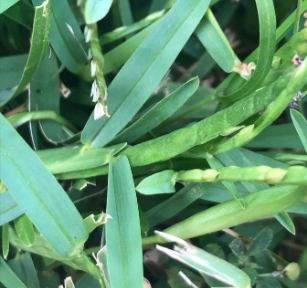
St. Augustine grass is a popular choice for lawns in warm climates, particularly in the southern United States. Known for its lush, thick blades and vibrant green color, this grass creates a beautiful, carpet-like lawn. However, to maintain its beauty and health, proper fertilization is essential.
Why Fertilization Matters
Fertilization is crucial for St. Augustine grass because it provides the necessary nutrients that the soil may lack. These nutrients promote growth, color, and overall lawn health. Without the right fertilizer, your lawn may become weak, discolored, and more susceptible to diseases and pests.
The Best Time to Fertilize St. Augustine Grass
Timing is everything when it comes to fertilizing St. Augustine grass. The best time to fertilize is during the growing season, typically from late spring through summer. Early fertilization in spring helps the grass emerge from dormancy, while consistent feeding during summer supports vigorous growth.
My Tip:
In my experience, I’ve found that applying fertilizer in the late afternoon or early evening is best. This allows the grass to absorb nutrients overnight, reducing the risk of burning from the sun.
Choosing the Right Fertilizer
Nitrogen, Phosphorus, and Potassium (N-P-K)
When selecting a fertilizer, look for one that provides a balanced ratio of Nitrogen (N), Phosphorus (P), and Potassium (K). For St. Augustine grass, a fertilizer with a higher nitrogen content is ideal, as nitrogen promotes lush, green growth.
Slow-Release vs. Quick-Release
Slow-release fertilizers gradually provide nutrients over time, which is beneficial for consistent growth and reduces the risk of over-fertilization. Quick-release fertilizers, on the other hand, deliver nutrients rapidly but may require more frequent applications.
My Recommendation:
I prefer slow-release fertilizers for my St. Augustine lawn. It provides a steady supply of nutrients and requires less frequent applications, making it more convenient.
Application Techniques
Broadcasting
Broadcasting is a common method where you spread the fertilizer evenly across the lawn using a spreader. This ensures that every part of your lawn gets fed.
Spot Treatment
If you notice certain areas of your lawn that are struggling, you can perform spot treatments. Apply a bit more fertilizer to these areas to give them an extra boost.
Pro Tip:
Always water your lawn after fertilizing. This helps the fertilizer penetrate the soil and reach the grass roots, ensuring better absorption and reducing the risk of burning the grass.
Avoiding Common Mistakes
Over-Fertilization
Over-fertilizing can lead to excessive growth, making your lawn more prone to diseases and requiring more frequent mowing. It can also cause the grass to burn, leading to brown patches.
Under-Fertilization
On the flip side, under-fertilizing won’t provide the nutrients your lawn needs, resulting in weak growth and poor color.
My Advice:
Stick to the recommended fertilizer schedule and amounts. It’s better to fertilize less often than to overdo it.
Organic vs. Synthetic Fertilizers
Organic Fertilizers
Organic fertilizers are made from natural materials and provide long-term benefits to the soil. They improve soil structure and increase microbial activity, which can be beneficial for the overall health of your lawn.
Synthetic Fertilizers
Synthetic fertilizers are chemically formulated and provide a quick nutrient boost. While effective, they may not offer the same long-term benefits as organic options.
What I Use:
I prefer using organic fertilizers for my St. Augustine grass. They’re kinder to the environment and improve the soil quality over time, leading to a healthier lawn.
Monitoring and Adjusting
After fertilizing, keep an eye on your lawn’s response. If you notice any discoloration, uneven growth, or other issues, you may need to adjust your fertilization routine.
My Experience:
I’ve learned that every lawn is unique. Even with the same type of grass, different factors like soil type, weather, and lawn size can affect how the grass responds to fertilization. Don’t be afraid to make adjustments as needed.
Conclusion: Keep Your Lawn Lush and Green
Fertilizing your St. Augustine grass is essential for maintaining its lush, green appearance. By choosing the right fertilizer, applying it at the right time, and monitoring your lawn’s response, you can enjoy a beautiful, healthy lawn year-round. Remember, the key to success is consistency and attention to detail. Happy gardening!
