
Forsythia is a beautiful flowering shrub that blooms in the spring. It’s bright yellow flowers are often one of the first signs of spring and bring an air of joy and anticipation to gardens around the world. But what many may not know is that forsythia can also be enjoyed during the winter months!
How to protect the forsythia in winter?
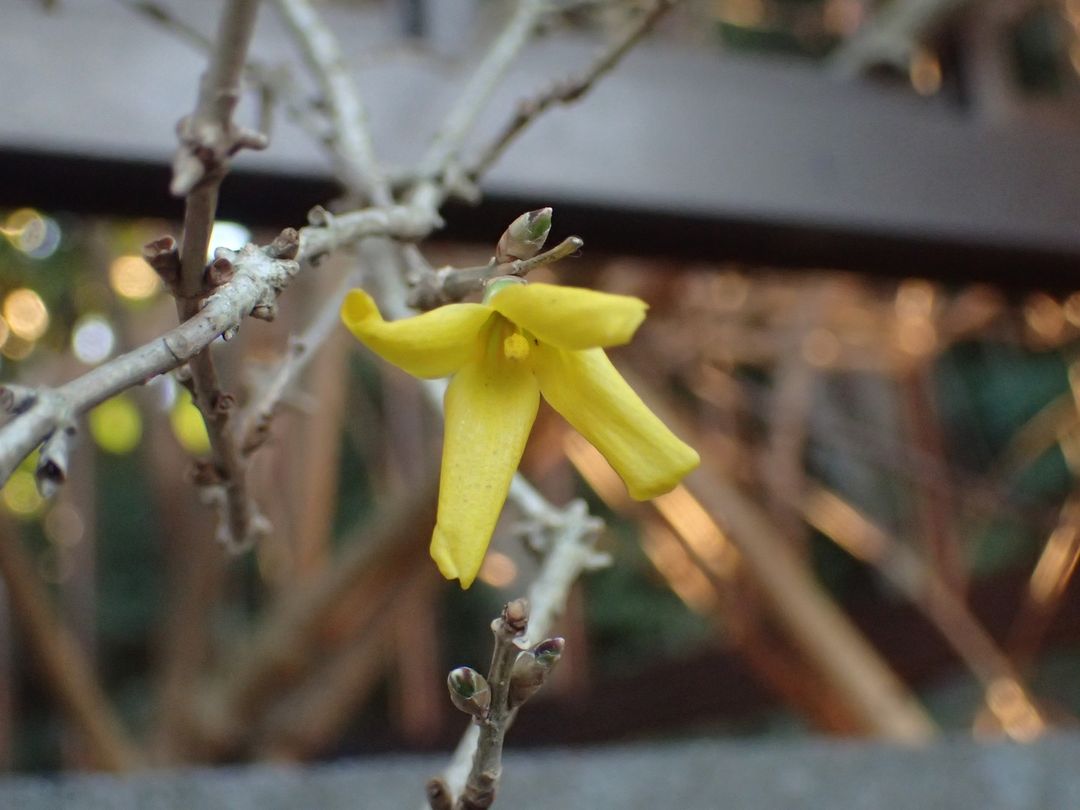
Forsythia is a hardy shrub that can tolerate cold winter temperatures, but it can still benefit from some protection in harsh winter climates. Here are some steps you can take to protect your forsythia in the winter:
- Mulch around the base of the shrub to help insulate the roots and retain moisture in the soil.
- Prune the shrub in late summer or early fall to remove any dead or damaged branches. This will also help prevent breakage in heavy snow or ice.
- Water the shrub well before the ground freezes to ensure that it has enough moisture to survive the winter.
- You can wrap the forsythia with burlap or frost blanket to protect it from cold winds, but be sure to remove the coverings once the weather warms up as prolonged covering can cause the plant to rot.
- If you are in a area with heavy snowfall, you can use bamboo stakes or a tomato cage to prop up the branches and prevent them from breaking under the weight of the snow.
It’s important to note that forsythia is hardy in USDA zones 5-8, if your area is below this zone, you may want to consider to plant it in a protected area or to bring it indoors during the winter.
Forsythia hedge in winter
Creating a hedge out of forsythia is relatively easy and can add a beautiful, colorful accent to your landscape. Here are the steps you can take to make a hedge out of forsythia:
- Choose a location: Forsythia prefers full sun to partial shade and well-drained soil. Make sure the location you choose has these conditions.
- Purchase plants: Purchase forsythia plants from a reputable nursery. Be sure to select plants of the same variety so that the hedge will be uniform.
- Space the plants: Space the forsythia plants about 3-4 feet apart. This will allow enough room for the plants to grow and fill in.
- Plant the forsythia: Dig holes for each plant that are at least as deep and wide as the root ball. Remove the plants from their containers and place them in the holes. Backfill the soil around the plants and firm it down. Water the plants well after planting.
- Prune the forsythia: Prune the forsythia immediately after planting to shape them and encourage bushier growth. Prune them again in late winter or early spring before new growth appears, to remove any dead or damaged branches.
- Maintain the hedge: Water the forsythia regularly during dry spells and mulch around the base of the plants to retain moisture and suppress weeds. Forsythia will need regular pruning to maintain shape, in general you can prune it twice a year, once in early spring and again in late summer.
By following these steps, you’ll be able to create a beautiful, healthy hedge out of forsythia that will add a colorful accent to your landscape.
How to trim forsythia for the winter

Trimming forsythia in the fall or winter can help shape and rejuvenate the plant, ensuring that it will come back healthy and full in the spring. Here are the steps you can take to trim your forsythia for the winter:
- Wait for the right time: The best time to trim forsythia is after the plant has finished blooming and the leaves have dropped, typically in late fall or early winter.
- Identify the old wood: Forsythia blooms on old wood, so be sure to identify and preserve the older branches that have produced flowers. These branches will produce flowers next spring.
- Prune to shape: Use sharp, clean pruning shears to trim the forsythia to your desired shape. Keep the hedge at the height and width you want it to be.
- Remove damaged or diseased branches: Cut away any branches that are damaged, diseased or dead.
- Remove new growth: Remove all the new growth at the base of the plant. This will encourage bushier growth.
- Clean up debris: Clean up any debris from the base of the plant and dispose of it properly.
- Don’t over prune: Be careful not to over-prune, as this can shock the plant and damage it. It’s better to make several light prunings than one heavy pruning.
Remember, Forsythia blooms on old wood, so don’t remove all the old branches in a single year. This will ensure that the plant will have enough old wood to produce flowers in the spring.
How to take care of forsythia?
Taking care of forsythia is relatively easy and can ensure that the shrub is healthy and full. Here are some steps you can take to take care of your forsythia:
- Choose the right location: Forsythia prefers full sun to partial shade and well-drained soil. Make sure the location you choose has these conditions.
- Watering: Forsythia requires moderate watering, it should be watered deeply once a week during dry spells.
- Fertilizing: Forsythia can benefit from a light application of fertilizer in the spring, use a general-purpose fertilizer and follow the package instructions.
- Pruning: Prune the forsythia immediately after flowering to shape them and encourage bushier growth. Prune them again in late winter or early spring before new growth appears, to remove any dead or damaged branches.
- Mulching: Mulch around the base of the shrub to help insulate the roots and retain moisture in the soil.
- Pest and Disease Control: Keep an eye out for pests or diseases and take appropriate action if necessary. Common problems include aphids and spider mites.
- Proper care: Proper care is important for forsythia to thrive. Make sure to plant it in the right location, provide it with the right amount of water and sunlight, and prune it regularly to keep it in shape.
By following these steps, you’ll be able to ensure that your forsythia is healthy and full. In general, forsythia is a hardy and easy to care for shrub, with adequate care, it will provide you with beautiful blooms each spring.
How do you save forsythia if it has been damaged by frost?
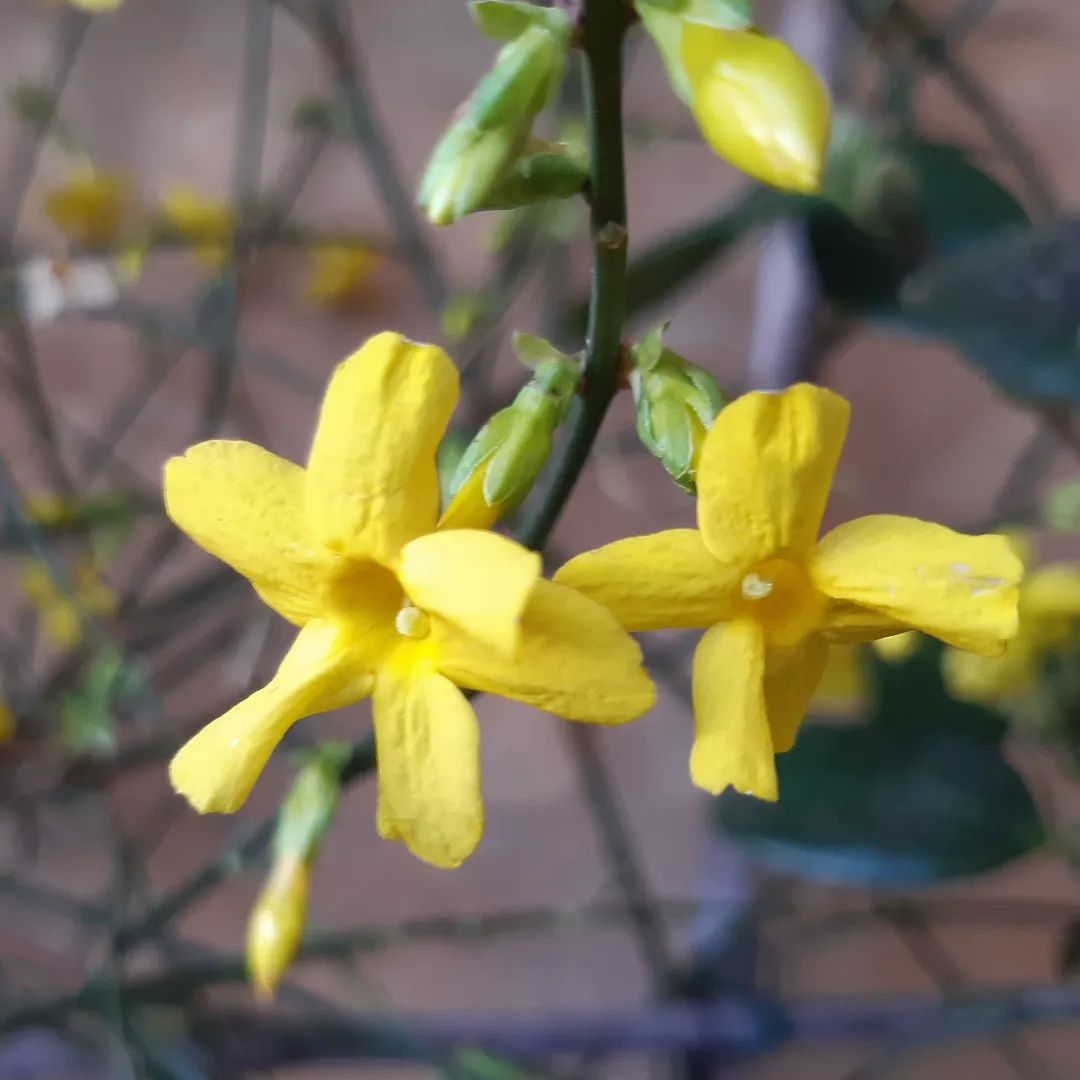
If your forsythia has been damaged by frost, there are a few steps you can take to try and save the shrub:
- Wait and see: Wait until the spring to assess the damage. Sometimes, frost-damaged branches will appear dead, but they may still be alive and will begin to grow again in the spring.
- Prune away dead branches: Remove any branches that are clearly dead or damaged. Cut them back to healthy wood.
- Water the shrub: Make sure to water the shrub well, especially during dry spells. This will help to keep the roots hydrated and promote new growth.
- Fertilize: Fertilize the shrub with a general-purpose fertilizer according to package instructions.
- Keep an eye on pests: Keep an eye out for pests or diseases and take appropriate action if necessary.
- Provide extra protection: If the area is prone to frost, consider providing extra protection in the future, such as covering the shrub with frost blankets or burlap during cold snaps.
Keep in mind that Forsythia is hardy in USDA zones 5-8, if your area is below this zone, it may be more difficult to save the shrub and it may not survive. Also, if the damage is severe, the shrub may not recover and you may need to replace it.
What are the benefits of forsythia?
Forsythia is a popular ornamental plant that is known for its bright yellow flowers that bloom in early spring before the leaves appear. The benefits of forsythia include:
- Beautiful spring flowers: Forsythia is a popular choice for adding early spring color to gardens.
- Low maintenance: The plant is easy to care for and requires minimal pruning.
- Versatility: Forsythia can be used as a hedge, a specimen plant, or as a background for other flowers.
- Drought tolerance: Forsythia is drought tolerant once established.
- wildlife value: Forsythia’s nectar-rich flowers attract bees and other beneficial insects.
- Hardiness: Forsythia is hardy in a wide range of climates.
- Long-lived: Forsythia can live for many decades if well-maintained.

Where is the best place to plant forsythia?
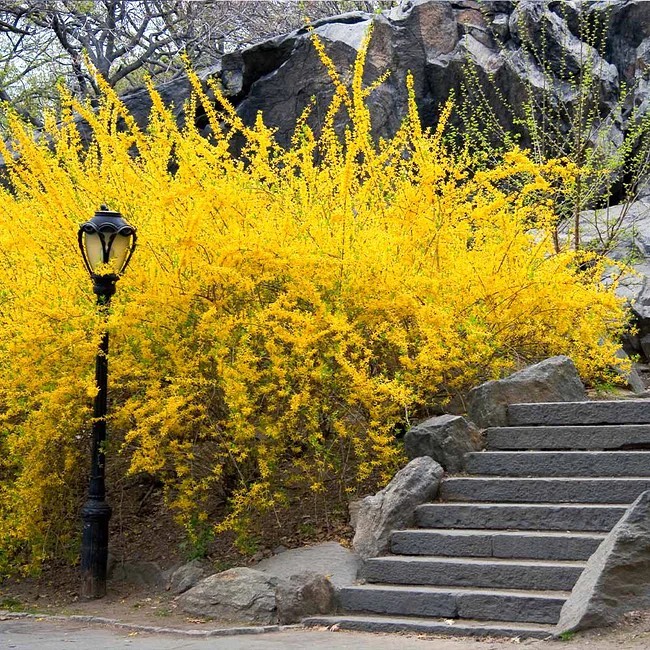
Forsythia is a versatile plant that can be grown in a variety of locations. However, in order to thrive, it is best to plant forsythia in a location that provides the following conditions:
- Sunlight: Forsythia prefers full sun to partial shade. It will bloom best in full sun, but will tolerate some shade.
- Well-drained soil: Forsythia prefers well-drained soil, but it is adaptable to a variety of soil types. Avoid planting in heavy clay or poorly drained soils.
- Protection from harsh winds: Forsythia can be affected by harsh winds and should be protected from windy locations.
- Cold hardiness: Forsythia is cold hardy and can be grown in USDA hardiness zones 4-8.
- Space: Forsythia can grow large, so consider the space you have available when planting.
- Pruning : Regular pruning will help to control size and shape of the plant.
Overall, forsythia is a very hardy plant, so as long as it is planted in an area with well-drained soil and adequate sunlight, it should thrive.
What season do forsythia bloom?
Forsythia is known for its bright yellow flowers that bloom in early spring, typically before the leaves appear. This makes it a popular choice for adding early spring color to gardens. The exact timing of the blooming season depends on the climate and the specific cultivar of forsythia, but in general, the blooming period ranges from late winter to early spring. In warmer climates, the blooming period may begin as early as January or February, while in cooler climates, it may not begin until March or April. The blooming period typically lasts for 2 to 4 weeks.
Does forsythia stay green in winter?

Forsythia is a deciduous plant, which means that it loses its leaves in the fall and becomes dormant during the winter. The leaves turn yellow and fall off in the fall and the plant goes into a dormant state during the winter months. The branches of the plant will be bare during this time, but they will still have a greenish-brown color. In the spring, new leaves will emerge and the plant will come back to life, and the yellow flowers will bloom again. Some cultivars of forsythia are evergreen or semi-evergreen, so they will retain some leaves even in winter, but they are not common.
What does forsythia look like in winter?
In winter, forsythia bushes are typically bare, with no leaves or flowers. They may have a few dried seed pods or dead flowers remaining from the previous growing season. The branches of the bush may also be visible, which are usually thick and woody.
What is the lifespan of a forsythia bush?

The lifespan of a forsythia bush can vary depending on the specific variety and growing conditions. Some forsythia bushes can live for up to 20-30 years in ideal conditions. However, some varieties may only have a lifespan of 10-15 years. Proper care and maintenance, such as regular pruning, can help to extend the life of a forsythia bush.
