
Hello, green thumbs and aspiring garden whisperers! Welcome to another adventure where your kitchen meets your garden in the most eco-friendly way. We all know pesticides can often spell trouble. Sure, they keep the bugs away, but they also come with a cocktail of chemicals that aren’t exactly RSVP’d to Mother Nature’s party.
So, why not switch gears and take a more organic route? And guess what? The hero of our story today is none other than garlic—a kitchen staple that not only spices up your meals but can also shoo away those pesky critters munching on your precious plants. Intrigued? Stick around as we dive into the hows and whys of making your very own garlic pesticide. No lab coat required, I promise!
Why Choose Garlic?
So, you might be wondering, “Why garlic? Can’t I just squash those bugs or yell at them to go away?” Well, sure, you could do that, but let’s be real—your neighbors might start questioning your sanity. Plus, bugs don’t exactly have the best listening skills. So, let’s stick to something that’s tried, tested, and doesn’t involve breaking any noise ordinances. 🤐
High Sulfur Content
Garlic is chock-full of sulfur, and guess what? Insects hate it as much as vampires do. Sulfur messes with their nervous systems, making it a highly effective deterrent. Now, that’s what I call some serious bug-off vibes.
Natural Insect-Repelling Properties
If you’ve ever breathed garlic fumes on someone, you probably noticed they kept a distance (hopefully, it was a mosquito and not your date). Well, imagine that amplified for our six-legged frenemies. Garlic’s natural oils are like kryptonite to bugs but without any of the comic book drama.
Antibacterial and Antifungal Benefits
As if sending pests packing wasn’t enough, garlic also brings its antibacterial and antifungal A-game to the garden party. So not only are you deterring pests, but you’re also preventing plant diseases. It’s like hiring a security guard who also moonlights as a doctor. 🌡️👨⚕️
Easy Availability and Low Cost
The best part? Garlic is as common as dad jokes at a BBQ. You can find it at any grocery store, and it’s cheaper than most chemical pesticides. Plus, you can even use leftover cloves from your cooking. Waste not, want not, as the saying goes!
Types of Pests Garlic Can Combat
Ah, the rogues’ gallery of garden pests. These are the villains that sneak into your lush Eden when you’re not looking and do all sorts of naughty things—like chewing on your roses or nibbling at your veggies. It’s like hosting a party and realizing your guests are treating your place like a free-for-all buffet. Rude!
But fear not! Garlic is here to save the day. Let’s get into the nitty-gritty of which baddies you can evict from your green paradise.
Aphids
The equivalent of teenagers at a buffet, these little suckers will munch their way through your plants’ leaves and stems. Garlic’s strong scent and sulfur content tell them the kitchen is closed!
Whiteflies
These are the winged wonders that you often see hovering around your plants. Garlic’s potent aroma works like a charm in keeping these airborne munchers at bay. It’s as if they hit an invisible “No Trespassing” sign!
Caterpillars
Adorable in children’s books but a nightmare in gardens. These future butterflies and moths can strip your plants bare. Garlic makes them think twice about turning your greens into their personal salad bar.
Slugs and Snails
The slow-motion invaders of the garden world. They’ll slime their way across your garden, leaving a trail of destruction. A spray of garlic water will have them heading for the hills—or at least the other side of the fence.
Fungus Gnats
These guys love the damp and dark spots in your soil. Garlic’s antifungal properties ensure that the gnats have to look elsewhere for their weekend getaways.
| Pest Type | Why Garlic Works |
|---|---|
| Aphids | Strong scent and sulfur content |
| Whiteflies | Potent aroma |
| Caterpillars | Sulfur content disrupts feeding |
| Slugs/Snails | Deters with its strong smell |
| Fungus Gnats | Antifungal properties |
Materials Needed
Alright, folks, it’s time to roll up those sleeves and get our hands a little dirty—well, not too dirty; we’re making a pesticide, not mud pies. 🤪 The materials you’ll need for this are probably already lounging somewhere in your home, feeling underutilized. So let’s give them a purpose, shall we?
Garlic Bulbs
- How Many?: A good 3 to 4 bulbs should do the trick.
- Why?: Well, it’s a garlic pesticide, not an onion tear-jerker.
Water
- How Much?: About 2 quarts. If you’ve got plants to protect, you’re going to need more than a thimble-full!
- Why?: Because garlic needs a pool to turn into your garden’s bodyguard.
Strainer
- Type: A fine-mesh strainer is best. No one wants chunky garlic bits clogging up their spray bottle.
- Why?: To separate the garlic essence from the pulp. You’re making pesticide, not gazpacho.
Spray Bottle
- Size: A 16-ounce spray bottle should suffice. Or go for bigger if you have a sprawling garden.
- Why?: You need something to apply your garlic potion with, and your hands aren’t going to cut it.
Optional: Other Natural Ingredients
- Types: Neem oil, vegetable-based soap, or even a dash of cayenne pepper for that extra kick.
- Why?: These can boost the potency or help the garlic goodness stick to the plants.
| Material | Quantity/Type | Purpose |
|---|---|---|
| Garlic Bulbs | 3-4 bulbs | Main ingredient |
| Water | 2 quarts | Base liquid |
| Strainer | Fine-mesh | Separation |
| Spray Bottle | 16-ounce or more | Application |
| Optional Ingredients | Varies | Enhanced effectiveness |
Step-by-Step Process of Making Garlic Pesticide
Strap in, eco-warriors, it’s DIY time! We’ve talked the talk, now let’s walk the walk—or should I say, garden the garden? 🤔 Enough chit-chat, let’s turn that garlic and a handful of other supplies into your garden’s newest best friend.
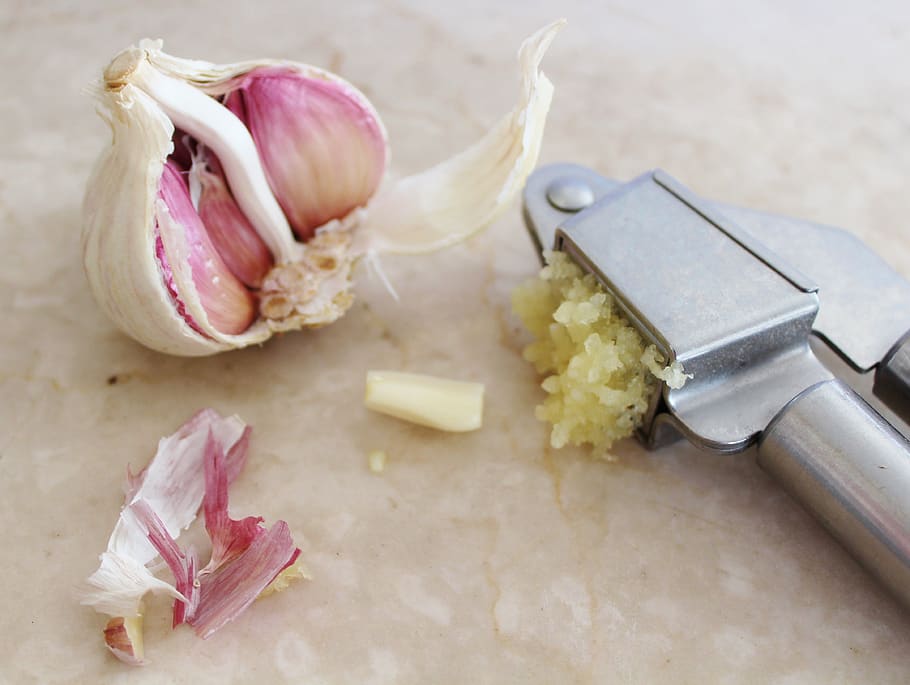
Preparing Garlic Cloves
Peeling and Cleaning
- Step 1: Separate the cloves from the bulb.
- Step 2: Peel off the skin. You don’t have to be perfect; this isn’t Garlic’s Got Talent.
- Step 3: Give them a quick rinse. No need for a bubble bath.
Quantity Needed
Aim for about 15-20 cloves. More if you’re dealing with an insect invasion worthy of a sci-fi movie.
Creating Garlic Mixture
Method 1: Boiling Method
- Step 1: Bring 2 quarts of water to a boil.
- Step 2: Toss in the peeled garlic cloves.
- Step 3: Let it simmer for about 20 minutes.
- Step 4: Remove from heat and let it cool. Patience, grasshopper!
Method 2: Blending Method
- Step 1: Throw the garlic cloves into a blender.
- Step 2: Add a cup of water.
- Step 3: Hit that blend button like you’re mixing a smoothie. No, it won’t taste good.
- Step 4: Add the garlic mush to the remaining water.
Straining the Mixture
Importance of Removing Garlic Residues
We’re making a spray, not a garlic paste for your plants to eat. Straining ensures that only the liquid goes into your spray bottle.
Tools to Use
That fine-mesh strainer we talked about earlier? Time for its moment in the spotlight.
Storing the Pesticide
Recommended Storage Methods
Pour the liquid into your spray bottle and store any extra in a well-sealed jar. Keep it in a cool, dark place like a pantry or a fridge. Your garage can work too, but make sure it’s away from direct sunlight.
Shelf-life
Your garlic potion should last up to a week in the fridge. After that, it might turn into a science experiment you don’t want.
Application
When to Apply
Early morning or late afternoon is your best bet. Avoid the heat of the day, as it could evaporate the spray too quickly.
How to Apply
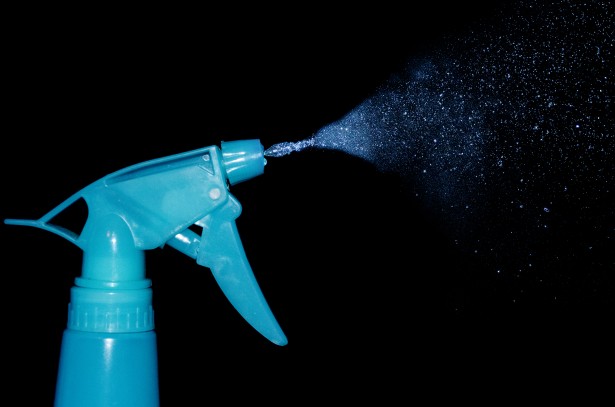
Spray generously on the leaves, stems, and soil. Feel free to sing or talk to your plants while doing it; they like that.
Precautions While Applying
- Wear gloves, unless you enjoy smelling like garlic for days.
- Avoid spraying on flowers to protect pollinators like bees.
- Keep pets away until the spray has dried.
Q&A Section
Hey, you’ve made it to the Q&A! This is where I tackle all those burning questions that are just bugging you. Get it? 🐞 Alright, let’s get to it.
Is garlic pesticide safe for all plants?
Generally, garlic pesticide is safe for a wide range of plants. However, I’d recommend doing a small patch test first. You know, just like you’d do for a new skincare product—except it’s your plants getting the pampering.
How often should I apply garlic pesticide?
Once a week is a good rule of thumb for general maintenance. But if your garden is currently hosting a bug convention, you might want to do it every 4-5 days until they get the message.
Can I add other ingredients to make it more potent?
Absolutely! Throw in a dash of neem oil or vegetable soap to make your garlic elixir even more formidable. If you’re feeling spicy, a pinch of cayenne pepper can really turn up the heat on those pests.
Does garlic pesticide work on larger pests like rodents?
Garlic pesticide is a multitasker, but it’s not a miracle worker. For rodents, you’ll probably need to bring out the big guns. Or traps. Or a very skilled cat.
How do I store any leftover garlic pesticide?
Keep it in a sealed jar in a cool, dark place. If your fridge has room next to last week’s lasagna, that’s an excellent spot.
Can garlic pesticide harm beneficial insects like bees?
Good question! Garlic pesticide is more gentle on beneficial bugs like bees, but it’s best to avoid spraying it directly on flowers to keep your pollinator pals safe.
Is it safe for pets and humans?
It’s far less toxic than many commercial pesticides, but you should still exercise caution. Keep pets away until the spray dries, and don’t start drinking the mixture thinking it’s a new type of health tonic.
What are the limitations of garlic pesticides?
While garlic pesticide is fantastic for several types of smaller garden pests, it won’t protect against all of them. Plus, you’ll need to reapply it regularly, especially after rain.
Can I use garlic pesticide indoors?
You can, but unless you love the lingering aroma of garlic, it might be a bit overpowering. Try it in well-ventilated areas and maybe warn your roommates unless you want them to think you’re cooking 24/7.
Can I use garlic pesticide as a fungicide?
Garlic does have antifungal properties, but it’s not as effective as specialized fungicides. For mild issues, it can help. For a mushroom farm growing on your rose bush, seek stronger alternatives.

So there you have it, a comprehensive answer sheet to your most pressing garlic pesticide queries. If you have more questions, don’t hesitate to shoot—I’m all ears!
