
Welcome, green thumbs and nature lovers alike! 🌱 Ever heard the buzz about how crucial our flying friends are to our environment? Let’s dive right into the heart (or should I say hive?) of the matter.
Pollinators and Their Key Role: Pollinators are the unsung heroes of our ecosystem. They flit, they float, and most importantly, they transfer pollen from one flower to another, ensuring that plants reproduce. This not only helps our gardens bloom and bear fruit but also supports the vast biodiversity of our planet. In essence, without pollinators, our salads would be rather dull, and our fruit bowls, rather empty!
A Sting in the Tale: Unfortunately, as with many good tales, there’s a slightly less rosy part. Bees, particularly some solitary species, are facing significant challenges. With habitat destruction, pesticides, and other threats, their numbers are dwindling. And it’s not just about honey; it’s about the myriad of plants and ecosystems they support.
Enter the Bee Hotel: Now, before you start imagining a mini bee-sized Ritz-Carlton, let’s set things straight. A bee hotel isn’t a lavish resort but rather a safe haven for our pollinating pals. Especially tailored for solitary bees (those who don’t live in large hives or produce honey), a bee hotel provides shelter, protection, and a place to reproduce. Think of it as a bed and breakfast, where bees check in, lay their eggs, and contribute to the next generation of pollinators.
Understanding Bee Hotels
Pull up a chair, grab a cup of herbal tea, and let’s demystify the concept of the bee hotel. No, it doesn’t come with room service or mini shampoo bottles, but it sure is a haven for our buzzing friends.

What Exactly is a Bee Hotel?
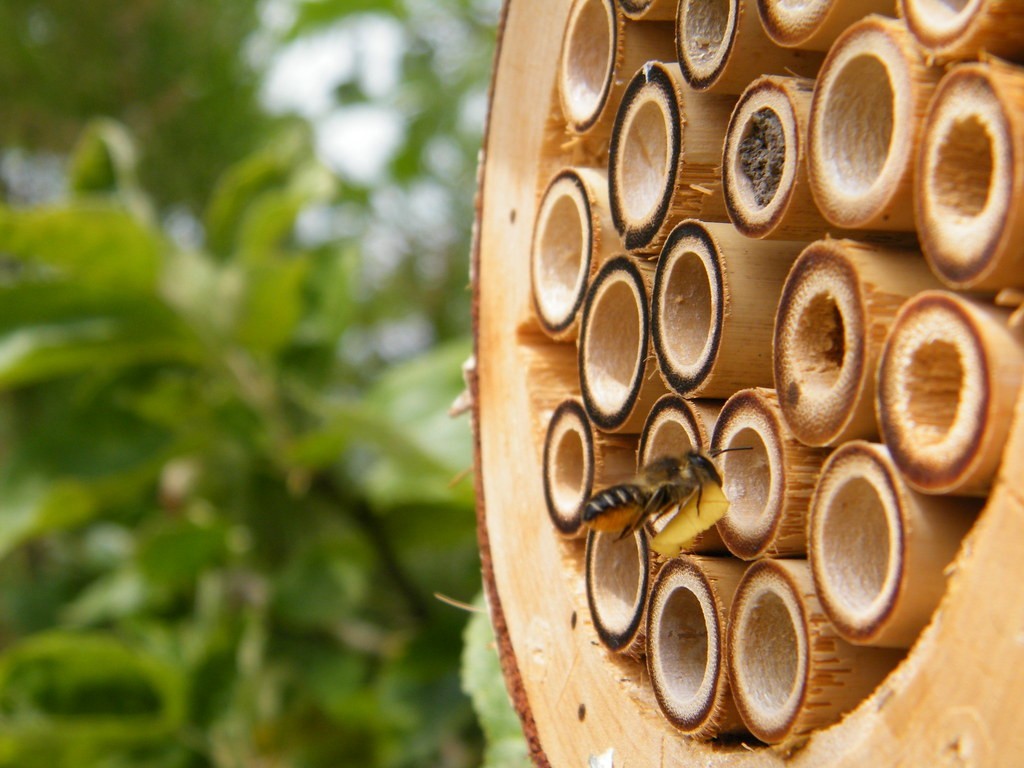
A Bee Hotel, or sometimes fondly known as an “insect house,” is a man-made structure designed to provide shelter for solitary bees and other beneficial insects. Unlike social bees, solitary bees don’t live in colonies or produce honey. Instead, they live alone, doing their part in pollinating our gardens and wild spaces. The bee hotel offers them:
- Protection: From predators, the elements, and other threats.
- Nesting Space: A cozy spot to lay their eggs and raise their young.
- A Helping Wing: It aids in their survival, especially when natural nesting spots are scarce.
Bee-autiful Benefits
Let’s talk perks! Bee hotels are more than just a trendy gardening accessory; they’re a lifeline for many pollinators. Here’s why they’re a buzz-worthy addition to any green space:
- Conservation Champions: They support bee species that might be struggling due to habitat loss.
- Pollination Boost: More bees in your garden means better pollination. Hello, bountiful harvest!
- Natural Pest Control: Some guests of the bee hotel, like lacewings and ladybugs, are natural predators of garden pests.
- Eco-Education: They’re a fantastic way to educate neighbors, kids, and friends about the importance of pollinators.
Bee Hotel vs. Beehive: What’s the Buzz?
| Feature | Bee Hotel | Beehive |
|---|---|---|
| Purpose | Shelter for solitary bees to nest and lay eggs. | Home for a colony of honeybees to live, work, and produce honey. |
| Maintenance | Minimal: Just occasional checking and cleaning. | Regular: Monitoring health, harvesting honey, managing pests. |
| Size & Structure | Compact, filled with tubes or blocks with holes. | Larger, with frames where bees build honeycombs. |
| Guests | Mainly solitary bees, but can attract other insects. | Primarily honeybees, living as a community under a queen. |
In essence, while both serve our buzzy friends, they cater to different species and needs. A beehive is a buzzing community, while a bee hotel is more of a quiet retreat for loners.
Benefits of Having a Bee Hotel
Imagine owning a five-star hotel, but instead of tourists, your guests have wings and a love for pollen. 🌸 The perks? More than just the adorable buzzes you’ll hear. Let’s delve into the bountiful benefits of running your own Bee BnB.
1. Boosting Local Pollination and Supporting Biodiversity
- Power Pollinators: Solitary bees, which are the primary guests at your bee hotel, are phenomenal pollinators. Having them around can significantly enhance the pollination rates of flowers, fruits, and vegetables in your vicinity.
- Diverse Guests, Diverse Gains: The bee hotel doesn’t just cater to one type of bee. By hosting different species, you contribute to maintaining a rich and varied pollinator population.
- Ecosystem Enhancement: More bees mean more pollination, which translates to more fruits, seeds, and vegetation. This cascades into benefits for other wildlife, ensuring a vibrant and healthy ecosystem.
2. Educational Opportunities for Children and Communities
- Nature’s Classroom: Bee hotels can serve as living laboratories. They’re a fantastic way for kids to learn about pollinators, lifecycles, and ecosystems right in their backyard.
- Community Buzz: Organize ‘bee watch’ sessions or workshops. Not only can this bring neighbors together, but it also raises awareness about the significance of pollinators.
- Civic Contributions: Schools, community centers, and public gardens can host larger bee hotels, turning them into focal points of environmental education.
3. Aesthetically Pleasing Addition to Gardens
- Nature’s Art: Beyond the ecological boons, a bee hotel can be a striking garden feature. With the right design and placement, it’s an eco-friendly blend of art and function.
- Seasonal Shows: As your hotel fills up, there’s a constant ebb and flow of activity. It’s like having a dynamic, ever-changing garden ornament.
- Garden Gossip: Trust me, your garden visitors (the human kind) will be intrigued and impressed. Your bee hotel might just be the talk of your next garden party!
Materials Needed
Ah, the fun part! Rolling up our sleeves and gathering our toolkit. Before we go on a scavenger hunt, let’s get our checklist sorted. Plus, remember, Mother Nature appreciates the extra mile, so let’s consider sustainable and eco-friendly options.
| Material | Description | Eco-friendly Sourcing Tips |
|---|---|---|
| Untreated Wood | The primary structure of the hotel. Provides the frame and backing. | Look for FSC-certified wood or repurpose old wooden crates or pallets. |
| Bamboo Tubes | Perfect for solitary bee nesting. They love the hollow insides. | Source from sustainable bamboo growers or buy from eco-conscious stores. |
| Drill with Various Bits | To make holes of different sizes in the wood for bees to nest in. | Use what you have, borrow from a neighbor, or invest in a good quality one that lasts longer. |
| Natural Twine or String | To bind bamboo tubes or attach other elements securely. | Opt for hemp or other organic twine. Avoid synthetic materials. |
| Saw | To cut wood or bamboo to the desired size. | Again, use what’s on hand, or borrow. Ensure it’s sharp to reduce waste. |
| Clay or Mud | Some bees use mud to seal their nests. Keeping some nearby can be a big help. | Use natural sources from your garden or local environment. |
| Straw or Dried Grass | An alternative to bamboo tubes. Some bees prefer these materials. | Collect from your garden or use organic, untreated sources. |
| Stones or Pebbles | A decorative element that also aids in water drainage and offers landing spots. | Source locally to reduce carbon footprint. |
| Weatherproof, Non-toxic Paint | Optional for aesthetics. Use to decorate the outer part, never inside the tubes or holes. | Look for paints labeled as eco-friendly, organic, or natural. |
| Roofing Material (like tiles or wood) | To provide shelter from rain and extend the hotel’s longevity. | Recycle old tiles, use shingles or even bark for a rustic look. |
Step-by-Step Guide to Making a Bee Hotel
Alright, dear gardener, it’s time to roll up those sleeves a bit higher and immerse ourselves in some DIY magic. Let’s turn those materials into a cozy sanctuary for our winged wonders!
1. Choosing a Suitable Location
Before we even start hammering and drilling, let’s talk real estate. Where you place your bee hotel is as vital as the hotel itself.
- Direction Matters: Position your bee hotel facing the southeast or south. This ensures it gets the morning sunlight, which is a warm wake-up call for our little guests.
- Sunny Side Up: Aim for a spot that receives plenty of sun, especially during the morning hours. It helps in keeping the occupants warm and cozy.
- Rain, Rain, Go Away: Make sure the location is shielded from heavy rain and strong winds. Overly damp conditions are a no-go for most solitary bees.
2. Assembling the Structure
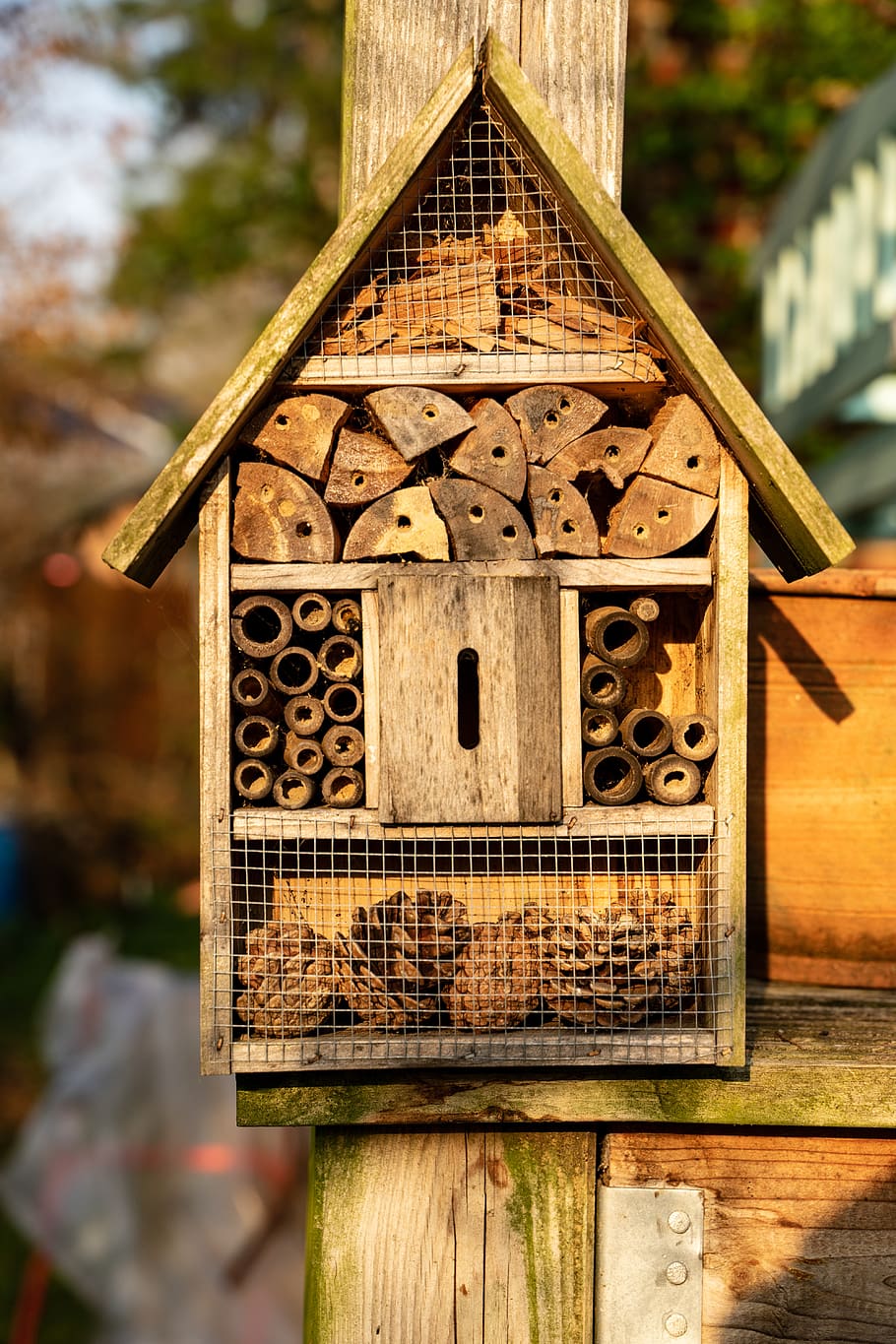
- Crafting the Outer Frame: Using the untreated wood, craft a box-like structure. Think of it as a shelf with multiple compartments. The depth should ideally be around 6-8 inches.
- Size and Style Variations: While the standard box style works great, feel free to get creative! A multi-tiered mansion or a simple single-layered abode – the sky’s the limit! Just ensure there’s depth for the bees to nest.
3. Selecting the Right Filling
The innards of your bee hotel are where the real magic happens.
- Bamboo Tubes: These can be easily inserted into your structure. Different bee species prefer different diameters, so have a mix of tube sizes, ranging from 2mm to 10mm in diameter.
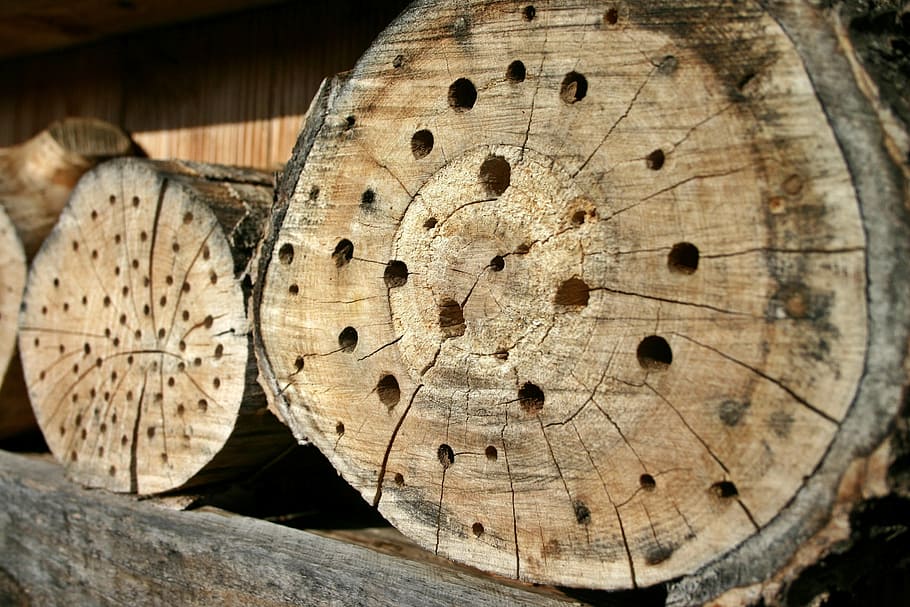
- Drilled Wood Blocks: If bamboo isn’t your cup of tea, or you want some variety, drilled wood blocks work great. Again, ensure you drill holes of varying sizes, maintaining the same diameter range as above.
- Other Natural Materials: Feel free to mix in straw or dried grass. Some bees love these for nesting!
4. Securing the Materials Inside
Now, we wouldn’t want an unexpected eviction due to a gust of wind, would we?
- Stability is Key: Ensure that your bamboo tubes, wood blocks, or any other materials are snugly fit. If they’re loose, tie them together with your natural twine or string.
- Preventing Material Fallout: The backing of your wooden frame will help here. Everything should be tight enough so that if you tilt your hotel, nothing falls out.
5. Adding Finishing Touches
Let’s add some pizzazz (and protection) to our creation!
- Weatherproofing: Remember those tiles or roofing materials? Place them atop your hotel to shield it from rain. Ensure there’s a slight overhang to prevent water from seeping in.
- Decorative Elements: Now, while bees aren’t critiquing the aesthetics, a lovely looking bee hotel can be a centerpiece in your garden. Use the non-toxic paint to add some flair. Maybe a cute “Bee BnB” sign? Just remember, only decorate the outside.
Maintaining Your Bee Hotel
Congratulations on your newly crafted bee sanctuary! 🎉 But just like that little treehouse in the backyard or your favorite garden gnome, it needs a smidge of care and attention. Let’s navigate the nuances of bee hotel management.
1. Regular Checks and Cleanliness
- Inspect With Respect: Periodically inspect your bee hotel, but do so with minimal disturbance. Remember, you’re peeking into someone’s bedroom!
- Spot Cleaning: While bees are generally tidy creatures, it’s a good idea to gently clean out any obvious debris or blockages from the entrances.
- Stay Vigilant: Over time, you might notice mold or fungi, especially in wetter seasons. If you spot any, it’s time for a little cleanup. Remove the affected tubes or materials and replace them.
2. When to Replace Materials
- Durability Dilemma: Natural materials will degrade over time. Bamboo tubes might start to fray, and wood might begin to rot. Generally, a yearly check to see what needs replacing is a good rhythm.
- Seasonal Shifts: The best time to replace materials is late winter or early spring before the new bee generation gets buzzing. This ensures the hotel is fresh and ready for new occupants.
- Old Tubes: If you’ve had residents in some tubes for over a year, and there’s no sign of bee activity, it might be a sign to replace those particular tubes.
3. Protecting the Bee Hotel from Predators
- Elevate: Consider placing your bee hotel off the ground, either by hanging it or placing it on a stand. This deters some predators.
- Chicken Wire Protector: Wrapping your bee hotel with a layer of chicken wire can keep larger predators at bay, while still allowing the bees easy access. Think of it as the security gate in a posh community.
- Natural Deterrents: Birds can sometimes be a nuisance. Consider placing prickly plants or bushes around the bee hotel to deter these potential predators. It’s like a natural security system.
- Watch for Spiders and Ants: Keep an eye out for these tiny invaders. If you notice an infestation, gently relocate them and consider repositioning your bee hotel to a location less appealing to these critters.
Tips and Common Mistakes
Setting up your bee hotel might seem straightforward, but just like that time you tried assembling a 10,000-piece jigsaw puzzle, there are pitfalls to avoid. (Oh, the memories!) Let’s keep things humming smoothly with these pro tips and pitfalls to sidestep.
1. Ideal Positioning and Orientation
- Tip: As mentioned earlier, a southeast or south-facing position ensures your guests get a sunny wake-up call. Plus, it keeps the insides from becoming too damp.
- Common Mistake: Placing the bee hotel in a shady area or where it gets drenched in rain can lead to mold and might not appeal to potential bee guests.
2. Avoiding Chemicals and Pesticides
- Tip: Always use untreated wood and natural materials. If painting or decorating the outside, choose non-toxic options. The same applies to your garden—opt for organic gardening techniques.
- Common Mistake: Spraying pesticides near the bee hotel. This is akin to putting a “Do Not Enter” sign on your hotel’s front door. Plus, it’s harmful to the bees and defeats the purpose of hosting them.
3. Ensuring the Right Diameter for Holes/Tubes
- Tip: Diversity is the name of the game. Offering a range of hole sizes from 2mm to 10mm caters to different bee species and maximizes occupancy.
- Common Mistake: Sticking to just one size or making holes too large. This can deter many species and might invite unwanted larger insects.
FAQ (Frequently Asked Questions)
Ah, the ever-present buzz of queries. Let’s address the burning questions and simmering curiosities you (and probably your neighbor, and their cousin) might have about the intricate world of bee hotels.
1. What species of bees use bee hotels?
Solitary bees are your primary patrons here, such as mason bees and leafcutter bees. Unlike honey bees, they don’t live in colonies, making these hotels the perfect solo retreat.
2. How often should I replace or clean the materials?
Yearly checks are recommended. However, materials should be replaced if they’re damaged or showing signs of mold and rot. And a light cleaning touch can be beneficial now and then.
3. Is there a risk of attracting wasps or unwanted pests?
There’s a slight chance, especially if the hole sizes are too large. But selecting the right diameter for tubes and ensuring cleanliness can help keep uninvited guests at bay.
4. Can I buy a pre-made bee hotel? What should I look for?
Absolutely! Ensure it’s made of natural, untreated materials. Check for a range of hole sizes and a sturdy structure. If it looks like a place you’d want to vacation, it’s probably good for the bees.
5. How can I ensure my garden plants are bee-friendly?
Opt for native plants and avoid pesticides. Blooms in blue, purple, violet, white, and yellow are particularly bee-beloved. Plus, diversity is key – different flowers for different bee buzzes.
6. Why are some tubes/holes not being used?
Just like us, bees can be picky. It might be the size, location, or material. Don’t fret; consider it a “room with a view” that hasn’t been discovered yet!
7. How can I protect the bee hotel during winter?
Place it in a sheltered spot or add a waterproof cover. But ensure it’s still accessible and breathable. Think of it as adding a cozy quilt during the colder months.
8. Can I make a multi-tiered or larger bee hotel?
Go big or go home, right? You can definitely upscale, but ensure each section meets the individual needs of the bees. It’s like building a skyscraper – each floor needs care!
9. What’s the difference between solitary bees and honey bees?
Solitary bees live solo, don’t produce honey, and are less likely to sting. Honey bees, on the other hand, live in colonies, produce honey (sweet!), and have more distinct roles within their community.
10. How do I educate my community about bee hotels?
Host workshops, share articles (like this one!), or set up a community bee hotel with information boards. It’s all about creating a buzz!
Navigating the world of bee hotels can seem as intricate as a honeycomb, but with a sprinkle of knowledge and a drizzle of enthusiasm, it becomes an enriching endeavor. Whether you’re a buzzing bee enthusiast or a curious gardener, investing in a bee hotel supports our pollinating pals and adds a unique charm to your green space. So, let’s roll out the red carpet (or should I say, the yellow pollen path?) for our winged friends!
