
Hello, fellow gardeners! If you’re looking for ways to keep your garden thriving while being eco-friendly and resourceful, then you’ve come to the right place. In this blog post, we’ll explore the numerous benefits of using rainwater for your garden. Rainwater harvesting isn’t just great for the environment, but it’s also perfect for your plants, your wallet, and your gardening routine. So let’s dive in!
Why Use Rainwater?
Our gardens need water to grow, and while tap water is usually the go-to solution, it’s not always the best choice. In many areas, tap water contains chlorine, fluoride, and other chemicals that can be harmful to plants. Plus, depending on where you live, tap water can be expensive or limited during droughts. This is where rainwater comes in as a fantastic alternative. It’s free, readily available, and a natural source of water that offers numerous benefits.
Top 5 Benefits of Rainwater for Your Garden
Chemical-free Water Source
Rainwater is a clean, natural water source free from chemicals like chlorine and fluoride that can be found in tap water. These chemicals can harm the beneficial microbes in your soil, while rainwater helps to maintain a healthy soil ecosystem.
Better Plant Growth
Rainwater is slightly acidic, with a pH level close to the ideal range for most plants. This means that using rainwater for your garden can lead to better nutrient absorption and overall plant growth.
Lower Water Bills
By collecting and using rainwater, you’ll significantly reduce your reliance on tap water, leading to lower water bills. This is especially beneficial during the hot summer months when your garden requires more water.
Conserve Water Resources
Utilizing rainwater helps to conserve precious water resources, especially in areas prone to drought or with water restrictions. By using rainwater, you’re doing your part to promote water conservation and reduce stress on local water supplies.
Reduce Soil Erosion and Runoff
When you use rainwater in your garden, you’re directly applying water to the plants, which helps to reduce soil erosion and runoff. This, in turn, helps to protect local rivers and streams from pollution.
How to Collect and Store Rainwater
Now that you know the benefits, let’s dive into how to collect and store rainwater for your garden
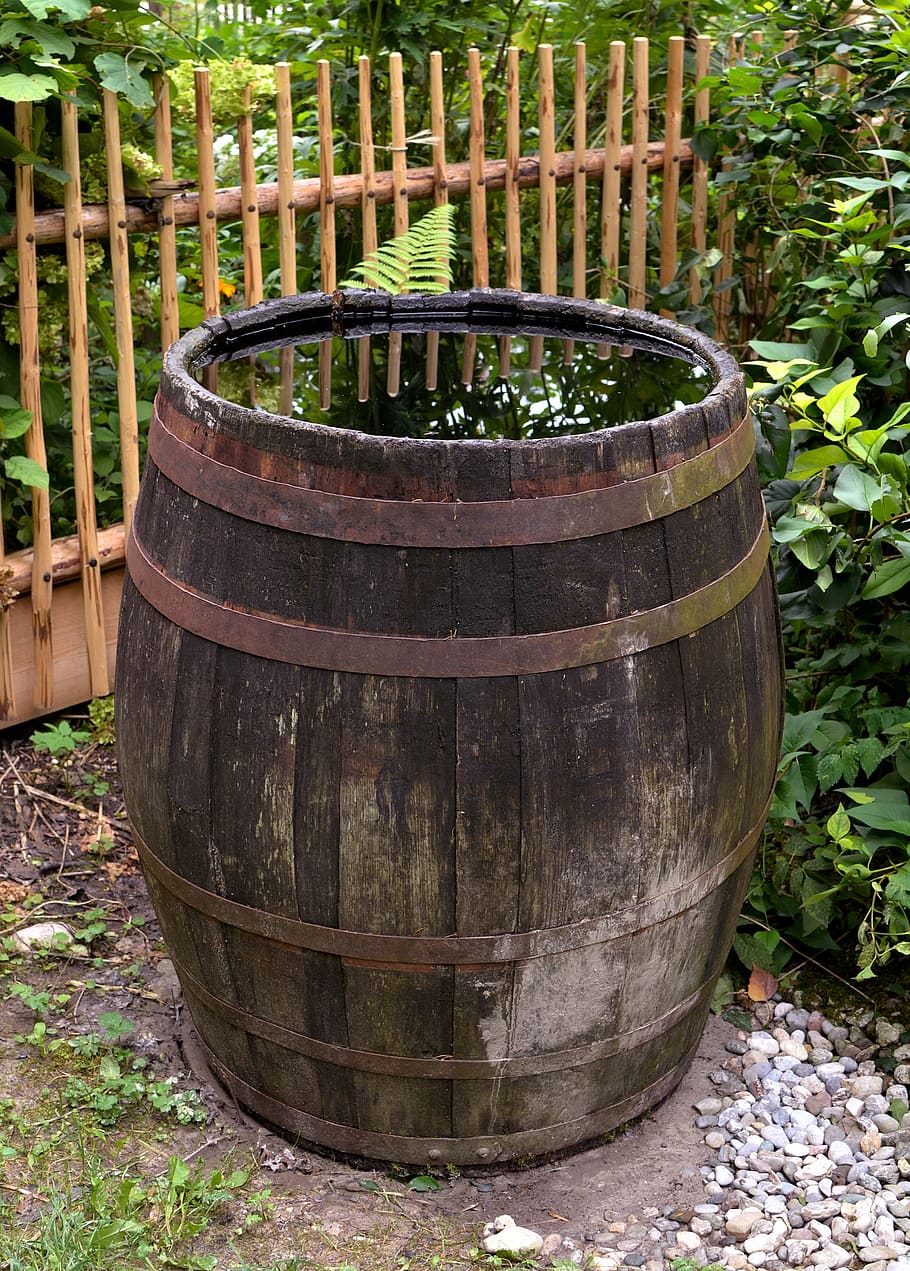
- Rain Barrels: Rain barrels are a popular and simple way to collect rainwater. Place them under your downspouts or gutter systems to capture water during rainstorms. Make sure to cover the barrel with a mesh screen to keep out debris and mosquitoes.
- Rainwater Collection Systems: If you’re looking for a more advanced solution, consider installing a rainwater collection system. These systems typically involve larger tanks and filtration systems, allowing you to store and use larger volumes of water for your garden.
- Garden-friendly Roofing Materials: To maximize rainwater collection, consider using garden-friendly roofing materials like metal or green roofs. These materials help to collect and channel rainwater more effectively.
- Maintain Clean Gutters and Downspouts: To ensure you’re collecting clean rainwater, regularly clean and maintain your gutters and downspouts. This will prevent debris from contaminating your water supply.
- Proper Storage: Store your collected rainwater in a cool, dark place to minimize evaporation and algae growth. Ensure your storage containers are properly sealed to keep out contaminants and insects.
Conclusion
Using rainwater for your garden offers a multitude of benefits, from promoting healthy plant growth to conserving water resources and lowering your water bills. By collecting and storing rainwater, you can provide your garden with a natural, chemical-free water source while doing your part for the environment. So, next time it rains, remember the potential it holds for your garden and consider incorporating rainwater harvesting into your gardening routine.
Happy gardening!
