
Ah, the joys of gardening! One day you’re basking in the glory of your luscious green plants, and the next, Mother Nature decides to turn up the heat. Quite literally, in fact. Recent years have seen a noticeable uptick in the frequency and intensity of heatwaves. Blame it on climate change, or that mischievous sun wanting more attention – either way, our plants are feeling the heat.
Just as we slather on sunscreen, chug icy drinks, and dive into the pool on those scorching summer days, our green buddies require some special TLC. After all, you wouldn’t enjoy sitting out in the baking sun without protection, would you? (If your answer is yes, well, more power to you! But your hydrangeas might not be quite so resilient.)
Understanding how to defend our leafy companions from the wrath of extreme heat isn’t just about keeping your garden Insta-ready (though that’s a bonus!). It’s about ensuring the longevity and health of your plants. So, as we embark on this sun-soaked journey, remember: you’re not just a gardener; you’re a plant hero. Capes optional, watering cans essential. Let’s dive in!
Recognizing the Signs of Heat Stress in Plants
When you’re under stress, maybe you get cranky, binge on chocolate, or treat yourself to a spa day. Well, plants have their own set of reactions when they’re feeling the heat (literally). They can’t exactly check into a spa or vent on social media, so they communicate in ways only the observant gardener would notice. Here’s the inside scoop on the telltale signs that your plants are pleading, “Is there an AC for plants out there?”

- Wilted Leaves: Think of this as a plant’s way of slouching. When they’re too hot, the leaves droop down as if to say, “I can’t even.” Hydration is key, but we’ll get to that later.
- Browning or Burning at the Leaf Edges: Burnt toast might be an acquired taste, but burnt leaves? Definitely not what any gardener wants to see. If those leaf edges are starting to resemble the crispy part of a marshmallow, your plant is sounding the alarm.
- Sunscald on Fruits: Ever got a sunburn on your vacation? Well, fruits can relate. Sunscald shows up as white, blistered patches. Kind of like a plant’s version of forgetting to reapply sunscreen.
- Flower and Fruit Drop: “It’s too hot for this accessory,” says the plant, casually dropping its flower or fruit like it’s going out of style. It’s their way of conserving energy and resources.
- Stunted Growth: Just as we might be less inclined to move around in sweltering heat, plants can also hit the pause button on their growth. If your greens aren’t reaching for the stars (or at least the sun) as they typically do, they might be in a heat-induced slowdown.
Prevention & Preparation
The best defense, they say, is a good offense. In the world of gardening, this translates to preemptive measures and being well-prepared. Think of it as crafting an armor for your plants or setting up an all-inclusive plant resort, where the guests (i.e., your plants) are always pampered, even in the middle of a blazing heatwave. Let’s explore the VIP treatment you can give your garden to ward off the heat!
Soil Health & Mulching
- Organic Matter: Imagine the soil as a sponge. The more organic stuff you add to it, the more water it can soak up. Organic matter not only boosts your soil’s ability to retain moisture, but it also acts as a cozy blanket, insulating the soil against extreme temperature shifts. So, by amping up the organic content, you’re essentially equipping the soil with a tiny hydration backpack and a thermal blanket. Talk about luxury!
- Mulching: It’s the garden’s equivalent of a fashionable sun hat! Mulch serves several fabulous purposes:
- Benefits: Protects the soil from direct sunlight, conserves moisture, and reduces weed competition. Essentially, it’s like an elite VIP service for your plants.
- Types of Mulch: There’s no one-size-fits-all. From straw, wood chips, to grass clippings, each mulch type brings its own flair to the garden runway.
- Proper Application: Spread a layer 2-4 inches thick, ensuring it doesn’t touch plant stems (they need their personal space, after all). Remember, mulching is both an art and a science!
Proper Watering Techniques
- Deep Watering vs. Frequent Shallow Watering: It’s like choosing between a deep, immersive spa treatment and a quick splash of water on your face. Deep watering encourages roots to grow deeper into the soil, accessing cooler, moist layers. Shallow watering? That’s like teasing your plants, making them think they’re in for a treat, but then… just kidding!
- Best Time to Water During a Heatwave: Early morning or late evening is your sweet spot. It’s like reserving the best time slot for the plants’ spa session, ensuring they soak up all the goodness without rapid evaporation ruining the party.
- The Importance of Soil Moisture Meters: It’s the tech gadget every modern gardener needs. These handy devices tell you when your plants are thirsty and when they’re just being divas. Hydrate responsibly!
Shade & Windbreaks
- Using Shade Cloths, Row Covers, or Garden Fabrics: Dress your garden in the latest summer wear. These tools are the equivalent of gifting your garden a chic parasol, shielding it from harsh sunlight.
- The Role of Natural Windbreaks or Barriers: Trees, shrubs, or even tall plants can break strong winds, reducing evapotranspiration (that’s just a fancy word for the water your plants lose). Think of it as the bouncers of the club, ensuring your plants don’t get too windblown or parched.
Immediate Response during Heatwaves
Alright, plant aficionados! Sometimes, despite all our preventive measures and expert preparations, a heatwave can still catch us (and our plants) by surprise. Imagine it’s the peak summer afternoon, and you’ve just realized your favorite hat (mulch) isn’t enough to keep you cool. What do you do? You seek shade and sip on some lemonade! Well, your plants, though they’d love a lemonade, have a different set of immediate needs. Let’s dive into the emergency response protocol for our verdant buddies during a heatwave showdown.
Creating Temporary Shade
- Erecting Shade Structures: Just as you might prop an umbrella on a sunny beach day, our plants would appreciate a bit of shading when the sun’s intensity dials up to eleven. Using materials like cloth, old sheets, or even garden-specific shade materials, you can create a temporary haven for your plants. Consider it a pop-up beach tent for your roses and radishes!
Increasing Humidity
- Misting Plants: Okay, so plants can’t sweat like we do, but they sure appreciate a good misting. It’s like a splash of cool water on a hot day. However, timing is key here.
- How: Use a fine sprayer to evenly mist the leaves.
- When: Early morning or late evening, when the sun won’t magnify the droplets and potentially harm the leaves. Think of it as giving your plants a refreshing evening spa treatment.
Avoiding Fertilizing
- Why It’s Best to Avoid: Introducing fertilizer during a heatwave is like handing someone a spicy dish in the middle of a desert. The added nutrients can stress plants out further, as they require additional energy to process. So, keep that spicy dish (fertilizer) for a cooler day.
Regular Monitoring
- Check-ins: Think of it as popping by to ask, “Hey, how you doing?” (in your best Joey from FRIENDS voice). With the sun’s rays getting fierce, a lot can change in a short span. Frequent check-ins, preferably multiple times a day, can be a game-changer.
- Responding to Signs of Heat Stress: If you notice any signs from our earlier list (remember the wilting leaves or dropping flowers?), act swiftly. Whether it’s some immediate shading or a splash of water, being responsive can mean the difference between a thriving plant and a crispy one.
Post-Heatwave Recovery
The sun has set on our heatwave ordeal, and as you step into your garden, there’s a sense of calm after the storm. But with the calm comes the task of assessment and recovery. Think of it as the morning after a wild garden party – some plants are groggy, a few might be sporting the plant-equivalent of a hangover, and others are just waiting for a bit of TLC to bounce back. Let’s walk through this post-heatwave aftermath, ensuring that our green pals not only recover but come back stronger and sassier.
Assessing Damage
- Identifying Recoverable vs. Irreversible Damage: It’s like doing a health check after a marathon. Some plants might just need some rest and hydration, while others might have pushed past their limit. Yellowing leaves might recover with care, but crispy, brown ones might have danced their last waltz.
Continued Monitoring & Care
- Modifying Watering Schedule for Recovery: Just as you’d rehydrate more after an intense workout, plants might need a tweaked watering regimen post heatwave. This doesn’t always mean more water, but perhaps more frequent, lighter watering sessions until they’re back on their roots!
- Pruning Damaged Parts: Remember that haircut you got after that DIY dye job didn’t pan out? Well, plants might need a trim too. Removing damaged parts not only helps them look their best, but it also promotes new growth. It’s like giving them a fresh start!
Learning and Adapting
- Adjusting Plant Location or Variety Based on Heat Tolerance: Sometimes, after a heatwave, we realize that a plant would be happier in a shadier spot, or perhaps we need a variety that’s a bit more sun-hardy. It’s all about learning from experience and playing matchmaker with plants and their ideal locations.
- Investing in Heat-Tolerant Plants for Future Planting: If heatwaves are becoming a frequent guest in your region, perhaps it’s time to invite some plants that thrive in the heat. Think succulents, certain ornamental grasses, or other sun-loving stars. They’ll not only add beauty to your garden but also scoff at the next heatwave, saying, “That’s all you got?”
Broader Strategies & Considerations
Alright, garden gurus! Now that we’ve delved into the nitty-gritty of heatwave management, it’s time to step back and take a broader view. Think of this as crafting the grand strategy for your garden empire. While responding to immediate threats is essential, there’s a particular elegance in crafting a garden that’s inherently designed to thrive, even in the face of fiery adversity. So, let’s get those master plans out and delve into the art and science of strategic gardening!
Plant Selection: Choosing Heat-Tolerant Varieties
| Plant Type | Heat-Tolerant Varieties | USDA Hardiness Zones | Preferred Microclimate | Brief Description |
|---|---|---|---|---|
| Flowers | ||||
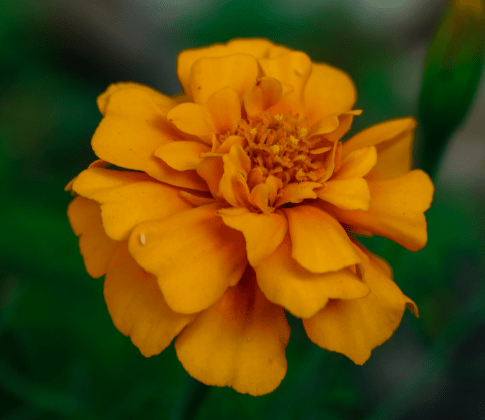 |
Marigold | 2-11 | Full sun | Bright and cheerful, these flowers are highly drought-resistant. |
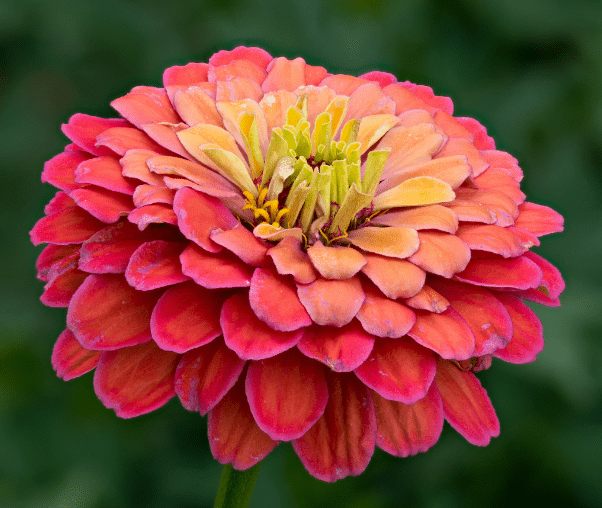 |
Zinnia | 3-10 | Full sun | Available in a plethora of colors, they thrive in direct sunlight. |
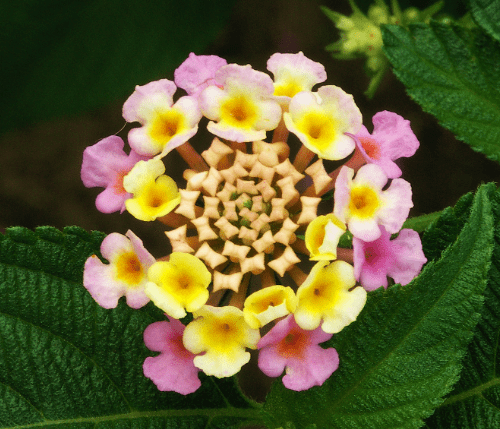 |
Lantana | 8-11 | Full sun | Attractive to pollinators, they stand out for their heat endurance. |
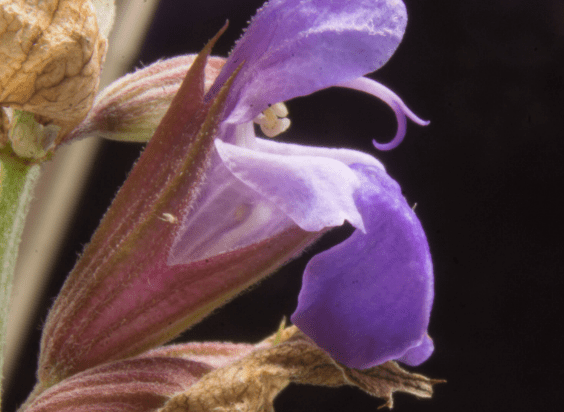 |
Salvia | 4-11 | Full sun to part shade | Hardy perennials known for their heat resilience and attraction to hummingbirds. |
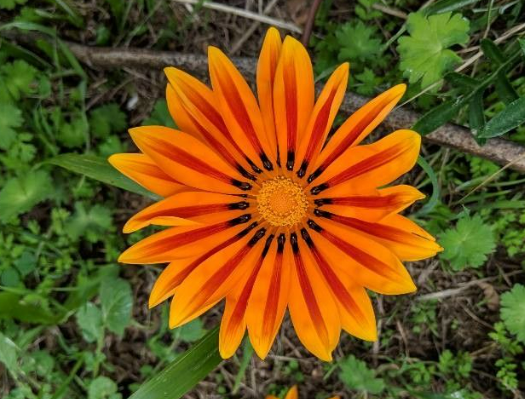 |
Gazania | 9-11 | Full sun | Also dubbed ‘Treasure Flower’, they sport dramatic blooms and adore sunlight. |
| Vegetables | ||||
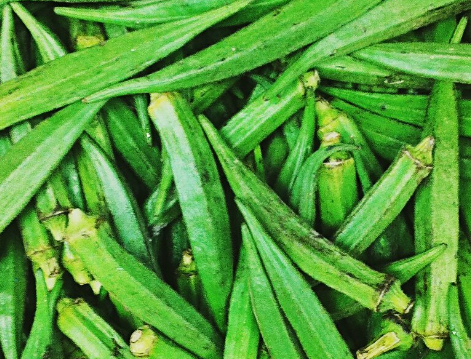 |
Okra | 5-11 | Full sun | A staple in southern gardens, this crop loves warmth. |
 |
Sweet Potato | 9-11 | Full sun | Apart from being heat-tolerant, they are drought-resistant once well-rooted. |
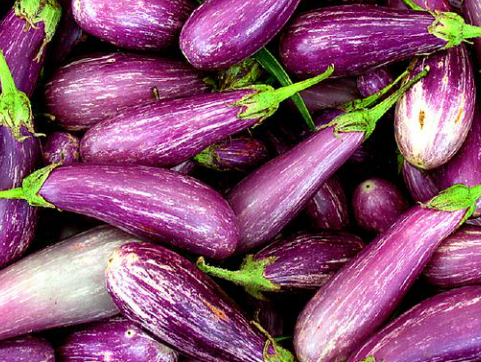 |
Eggplant | 5-12 | Full sun | A sun-enthusiast that produces delicious, versatile fruits. |
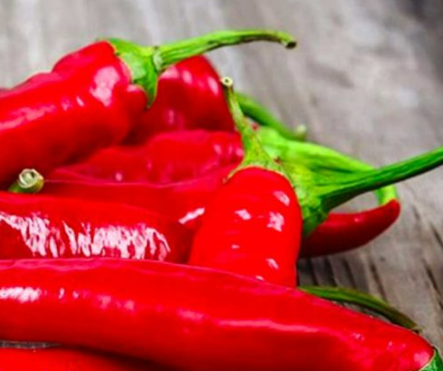 |
Peppers (bell, chili) | 3-9 | Full sun | Whether you’re after heat in your garden or on your plate, peppers are your go-to. |
| Shrubs | ||||
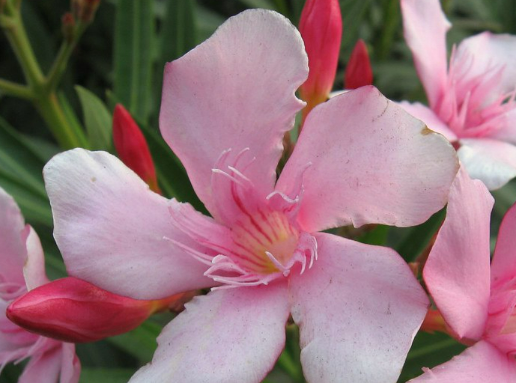 |
Oleander | 8-10 | Full sun to part shade | While beautiful and heat-tolerant, they are also poisonous—handle with care! |
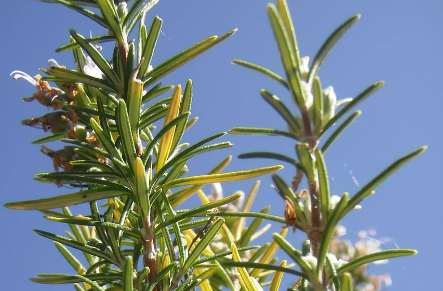 |
Rosemary | 6-10 | Full sun | This aromatic herb not only tolerates heat but is also drought-resistant. |
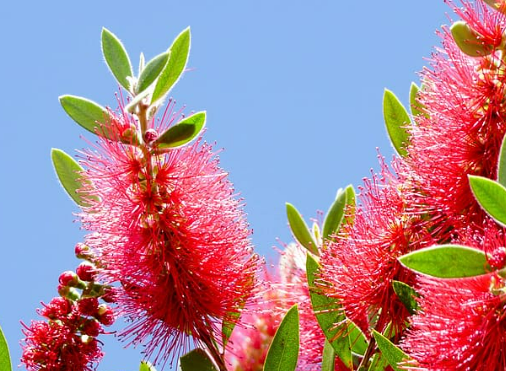 |
Bottlebrush | 8-11 | Full sun | Recognized for their unique brush-like flowers, they’re excellent in hot climates. |
Using Companion Plants to Offer Natural Shading (just a few examples)
| Primary Plant (Shading Provider) | Companion Plant (Beneficiary) | Benefits of Shading | Additional Notes |
|---|---|---|---|
| Sunflowers | Lettuce | Protects lettuce from harsh afternoon sun, preventing bolting. | Ensure sunflowers don’t entirely overshadow the lettuce. |
| Corn | Spinach | Keeps the spinach cooler, slowing down its bolting process. | Spinach can be harvested before corn becomes too tall. |
| Tomato Plants | Basil | The shade helps in reducing water stress for the basil. | Basil is believed to enhance the flavor of tomatoes. |
| Broccoli | Arugula | Provides shade, which arugula appreciates in the peak of summer. | Both plants can share similar soil pH needs. |
| Pumpkin or Squash | Radishes | The large leaves of squash/pumpkin protect radishes from scorching. | Radishes can also act as a pest deterrent for squash bugs. |
| Grapes (vines) | Lettuce or Spinach | Vine shades the greens, preventing them from early bolting. | Vines can be trained to optimize the shade provided. |
| Brussels Sprouts | Bok Choy | Shields the bok choy from the intensity of direct sunlight. | The pair can be harvested in tandem for delightful dishes. |
FAQ Section:
Q1: Why do plants get affected by heatwaves?
A1: Plants, just like us, have an ideal range of temperatures where they feel comfy and cozy. A heatwave essentially cranks up the thermostat beyond that comfort zone. High temperatures can cause increased evaporation, leaving plants thirsty and leading to cell damage, reduced photosynthesis, and other metabolic issues. Think of it as trying to jog in a sauna—tough, right?
Q2: Can all plants recover from heat stress?
A2: Just as some of us spring back from a cold faster than others, plants too vary in their recovery abilities. While many plants can bounce back with proper care, some, unfortunately, might suffer irreversible damage. But fret not; with the right strategies in place, you can enhance their resilience.
Q3: How often should I water my plants during a heatwave?
A3: Ah, the age-old question! It varies based on the plant type and soil conditions. During a heatwave, plants lose moisture faster, so they’ll likely need more frequent watering. But be wary of overwatering; it’s always good to check the soil’s moisture level before giving them a drink.
Q4: Are certain mulches better for heat protection than others?
A4: Absolutely! Organic mulches, like straw, wood chips, or compost, are especially great. They not only retain moisture but also break down over time, enriching the soil. Remember, the thicker the mulch layer, the better the protection against extreme temperatures.
Q5: Can I use regular household items for shading?
A5: You bet! Old sheets, curtains, or even an umbrella can act as a makeshift shade for your plants. It’s like throwing an impromptu sunhat on your plants, and they’ll surely thank you for it!
Q6: Does repotting help a plant during a heatwave?
A6: Repotting can be stressful for plants, so it’s best avoided during a heatwave. If you’ve noticed signs of root-bound plants or outgrown pots, consider waiting for cooler days to give them a new home.
Q7: How can I increase the heat tolerance of my garden soil?
A7: Adding organic matter is like giving your soil a superpower boost! Compost, aged manure, or even leaf mold can enhance the soil’s water retention and provide essential nutrients. Healthy soil = Happy plants!
Q8: Are there any natural remedies to help plants recover post heat stress?
A8: Seaweed extract or compost tea can be beneficial as they supply essential nutrients and help stimulate root growth. These natural remedies act like a refreshing tonic for plants, aiding in their recovery journey.
Q9: Should I move my potted plants indoors during a heatwave?
A9: If possible, yes! Potted plants are more vulnerable as their roots can’t escape the heat. Placing them in a shaded or indoor area can provide temporary relief from the scorching sun.
Q10: Is it safe to prune heat-damaged plants immediately after a heatwave?
A10: Hold your shears for a moment! It’s best to give plants some time to recover before trimming away damaged parts. Pruning too early might add to their stress. Patience is key.
Phew! That was a rollercoaster of garden wisdom, wasn’t it? From understanding the nuances of heatwaves to strategizing for plant protection and diving deep into FAQs, we’ve journeyed together through the lush landscape of plant care. Remember, every sun-kissed leaf and every droplet of water tells a story of resilience, adaptation, and growth. As guardians of these green wonders, it’s our duty and privilege to nurture them through all seasons. Until our next garden rendezvous, keep your plants hydrated, your spirits high, and may your garden always flourish!
