
Burrs are sharp and prickly structures similar to seeds found on plants. They form when the stem or branch of one plant rubs against another, causing them to become hooked or prickly. The hooks can then get caught in the fur or clothing of animals or people and attach, spreading the seeds in a process known as “dispersion.” These kinds of plants are considered very annoying because they can easily cling to clothing, hair, animal hair, and scratch human skin.
Features of the Burrs plant

This type of plant includes in its structure sharp points, which are many small hooks. They are most often brown in color, but can vary depending on the species of plant. These burrs can come in many shapes and sizes, from less than a millimeter to several centimeters across. Depending on the type of burr, they also have varying degrees of stickiness and sharpness. The fact is that with the help of such hooks, the plant multiplies. When the hook snaps onto another plant, animal or human, seeds fly out of the seed pod. The seeds that fall out are then spread by the wind, so the plant spreads very quickly.
Some species of burrs are very aggressive and have small prickles that stick into the skin and can remain in it. They can get deep into the skin and cause severe pain.
The most popular Burrs plants
There are many different kinds of burrs in nature, which are a type of plant seed covered with hooks, thorns, or prickles that easily attach to clothing or fur. The most popular of these are:
- White avennes – The plant is classified as a perennial. In addition to its sharp thorns, it has beautiful white flowers;
- American lopsided – a perennial plant with sharp prickly hooks and pink flower buds;
- Fluffy burdock is the most common species of burrs that grows anywhere and everywhere. The perennial plant begins its blooming in July and produces yellow flowers and sharp hooks;
- Sticklebacks are a species of thorns that have sharp hooks, are covered with soft fine hairs, and produce yellow flowers. The plant is found in wetlands and along roadsides;
- Musk thistle is an annual weed that varies in color from pink to purple. It has prickly spines that attach to clothing, fur, or feathers;
Are burrs dangerous for dogs?
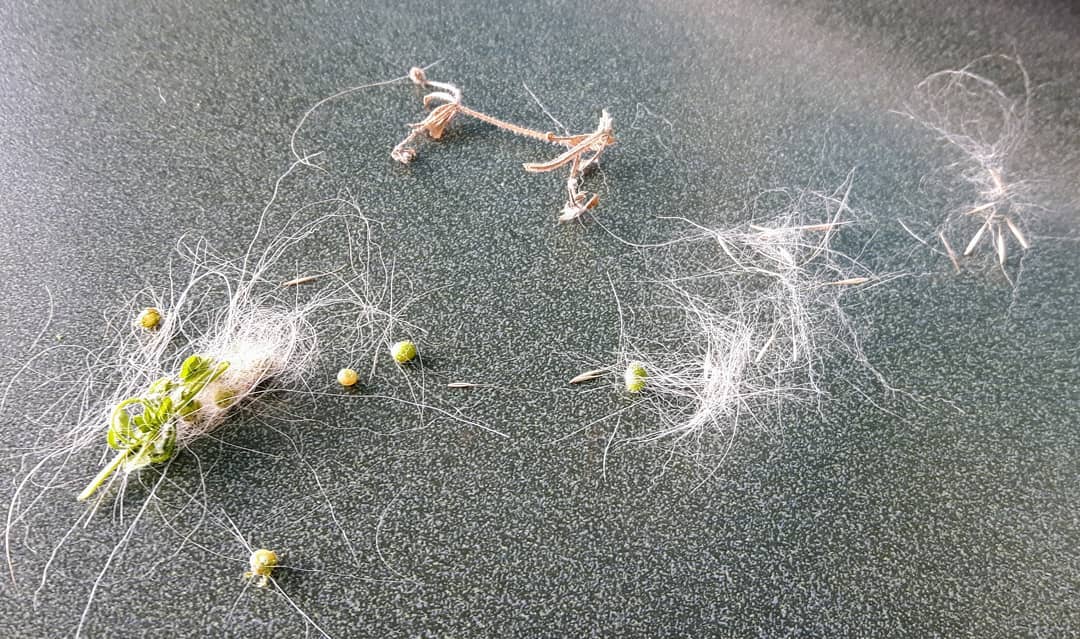
Yes, burrs can be dangerous for dogs. Sharp hooks and spikes can easily get stuck in your dog’s fur and cause irritation or injury to his skin. If burrs are not removed in time, they can also lead to infection due to dirt, grime or other contaminants that may have attached themselves to the burr until it is removed.
You can remove burrs at home with a pair of tweezers. If they are severely tangled, then use scissors and cut off some of the hair, it is better to leave the dog without some of the hair than to leave burrs in it. If there are too many burrs in your dog’s coat, then it is better to take him to a groomer so he can professionally treat the coat and shave off the excess.
How do I get rid of the burrs in my backyard?
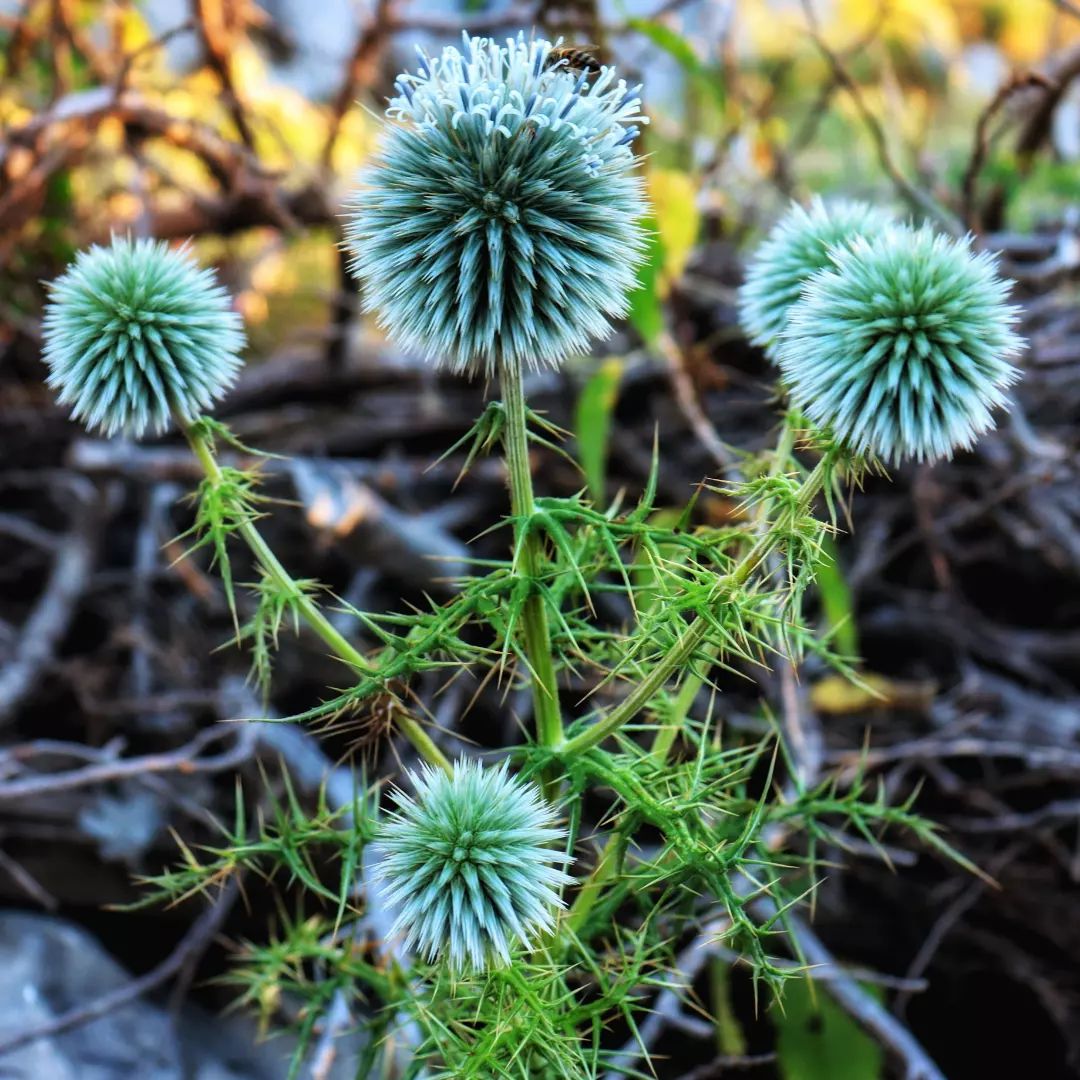
There are several ways to get rid of burrs in your backyard:
- Remove the plants that produce them. If you want to remove the entire plant, you can use a hand hoe or hoe, but it can be difficult to remove all the burrs that way.
- Mow the grass regularly to keep young burrs from taking over your yard;
- Give your yard more sunlight, because many species of burrs grow in semi-shade.
Are burrs poisonous to humans?

No, burrs are not poisonous to humans. However, some people with sensitive skin may have an allergic reaction when they come in contact with the sharp hooks on the plant. It is also important to note that depending on where the burrs grow, they may be covered with dirt and soot, which may cause irritation upon contact with them.
Are burrs painful?

Yes, burrs can be painful when they come in contact with the skin or fur. The sharp hooks of the plant stick into skin or clothing and can cause irritation, itching, and discomfort. Therefore, it is important to take precautions when dealing with burr plants and remove them right away if you find them on your body or clothes.
Do burrs come off in the wash?
No, burrs are not removed by washing. The hooks and spikes of burrs are designed to attach to clothing or fur, making it impossible to remove them by hand. Therefore, it is important to use tweezers or scissors to safely remove burrs from your pet’s clothing or fur before washing.
How do you prevent burrs?

The best way to prevent thorns from entering your yard and pets is to regularly mow your lawn, trim plants near your home, and avoid areas with dense vegetation. Also, wearing long pants and closed-toe shoes when walking through a potentially burr-infested area can help protect you from thorns.
How do I protect my skin from burrs?

To protect your skin from burrs, you should wear long pants and closed-toe shoes when walking in areas where there are burrs. Also, be sure to check for burrs on clothing that may have come into contact with vegetation. It is also very important to wear tight shirts with long sleeves. Try to braid your hair in a tight bundle and be sure to wear a hat so you don’t get barbs in your hair. Removing barbs from your hair is very time consuming and can end up shaving off an area.
What to treat the skin with after burrs?
If you do get burrs on your skin, it is important to remove them carefully. If you try to simply tear them off, they may tear the skin and cause further irritation. To safely remove the burrs, try using tweezers or scissors to cut off the barbs. Afterward, apply iodine solution or greenish solution to the skin. You can also smear an antiseptic agent on your skin and stick a band-aid on it.
