
Growing broccoli in your garden can be a rewarding experience, but understanding the time it takes to mature is crucial for a successful harvest. In this article, I’ll share my experiences as an enthusiastic gardener, diving deep into the growing process of broccoli, from seed to harvest. Whether you’re a seasoned gardener or a beginner, this guide will help you manage your expectations and ensure your broccoli thrives.
Understanding Broccoli Growth Stages
Broccoli is a cool-season crop, meaning it thrives in cooler temperatures. The growth timeline for broccoli can vary depending on several factors, but on average, you can expect broccoli to be ready for harvest within 55 to 100 days after planting. Let’s break down the stages.
Seed Germination
The journey begins with seed germination. Broccoli seeds typically germinate within 5 to 10 days when planted in well-drained, fertile soil at a depth of about half an inch. I’ve found that keeping the soil consistently moist but not waterlogged speeds up this process.
Seedling Development
Once the seeds have germinated, they enter the seedling stage. During this phase, the seedlings will develop their first true leaves, usually within 10 to 14 days after germination. This is when you should thin the seedlings, leaving the strongest ones about 18 to 24 inches apart. In my experience, giving them enough space early on encourages healthy growth later.
Growing Conditions for Optimal Broccoli Growth
Broccoli grows best in cool weather, with the ideal temperature range being 60 to 70°F (15 to 21°C). Planting in early spring or fall is ideal, depending on your climate.
Soil Preparation
Before planting, ensure your soil is rich in organic matter. Broccoli thrives in soil with a pH between 6.0 and 7.0. I always incorporate compost or well-rotted manure into the soil a few weeks before planting to boost its fertility.
Watering and Fertilizing
Consistent watering is key to healthy broccoli. Aim to keep the soil evenly moist, especially during the growing phase. Over the years, I’ve learned that mulching around the plants helps retain moisture and keeps the roots cool.
For fertilization, I recommend using a balanced fertilizer every three to four weeks during the growing season. A fertilizer high in nitrogen can be beneficial for leafy growth, but be cautious not to over-fertilize, as it can lead to excessive leaf production at the expense of the broccoli heads.
Time to Maturity: When to Harvest Broccoli
The time it takes for broccoli to mature varies, but you can generally expect a harvest between 55 to 100 days after planting. Here’s how to know when your broccoli is ready to pick.
Head Formation
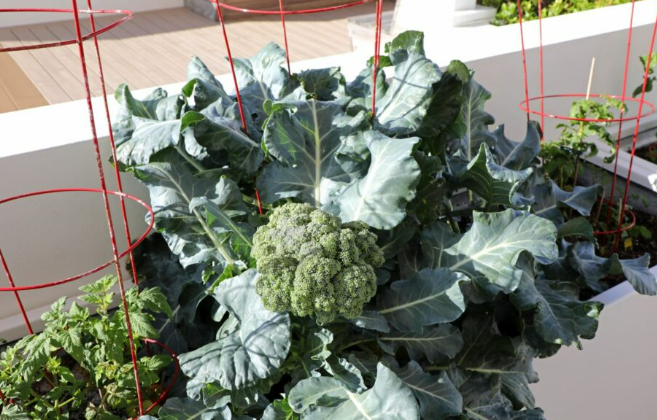
The first sign that your broccoli is nearing maturity is the formation of a large, tight head in the center of the plant. This usually happens around 70 to 80 days after planting. The head should be compact, and the buds should be closed. I’ve learned to keep a close eye on the heads at this stage, as they can quickly turn to flowers if not harvested in time.
Harvesting Tips
To harvest, use a sharp knife to cut the main head off the plant, leaving about 6 inches of stem. One of the joys of growing broccoli is that even after you harvest the main head, side shoots will continue to produce smaller heads, extending your harvest season.
Factors That Influence Broccoli Growth Time
Several factors can influence how long it takes broccoli to grow, including the variety you choose, the climate, and your gardening practices.
Variety Selection
Different broccoli varieties have different maturation times. For example, early-maturing varieties like ‘Green Magic’ can be ready in as little as 55 days, while others like ‘Marathon’ might take up to 100 days. I suggest experimenting with a few varieties to see which works best in your garden.
Climate Considerations
The climate plays a significant role in broccoli growth. Warmer temperatures can cause the plants to bolt (go to seed) prematurely, while cooler temperatures can slow down growth. If you live in a region with hot summers, consider planting your broccoli in late summer for a fall harvest. In my garden, fall broccoli has always been the most successful, as the cooler weather in early fall provides ideal growing conditions.
My Experience with Growing Broccoli
As a gardener, I’ve found that broccoli is one of the most satisfying vegetables to grow. The key is patience and attention to detail. I’ve had seasons where the broccoli was ready to harvest in just over two months, and others where it took closer to three. The variety, weather conditions, and soil quality all played a part in the differences.
One of my favorite tips is to start broccoli seeds indoors about six weeks before the last frost date. This gives them a head start, and you can transplant the seedlings into the garden as soon as the soil is workable. I’ve noticed this method consistently shortens the growing time and leads to healthier plants.
Conclusion: Patience Pays Off in Broccoli Gardening
Growing broccoli requires patience and a bit of gardening know-how, but the reward of fresh, homegrown broccoli is well worth the effort. On average, expect your broccoli to be ready for harvest anywhere from 55 to 100 days after planting, depending on the variety and growing conditions.
Whether you’re planting in early spring or late summer for a fall harvest, paying attention to the growth stages and providing optimal growing conditions will lead to a successful crop. Happy gardening!
