
Invasive weeds are all around, and if you don’t control them, they can extend to your garden and crowd out your valuable plants. While not all weeds are a nuisance (as some of them are proven to have medicinal properties), they are a few that you need to get rid of because they can pose a danger to people, especially small children, pets, and other animals.
One of them is pokeweed. In this tutorial, let’s first discuss pokeweed, the things you’ll need to know about this weed such as its uses, benefits, and dangers. Then, we will proceed to the steps on how to get rid of the pokeweed as shared by the experts.
Let’s begin.
WHAT IS POKEWEED?
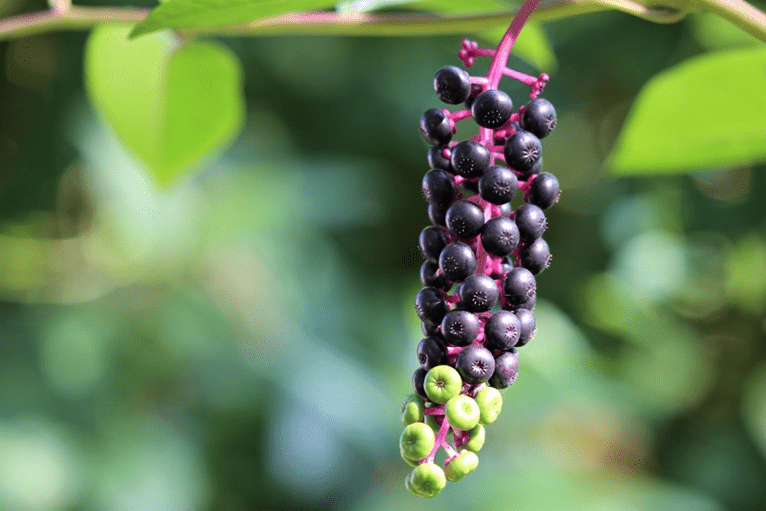
The pokeweed or pokeberry (Phytolacca americana) is a native plant found across the wide regions of North America. Its name was adapted from the American Indian word, ‘pocan’. It is also called by the other names, including pokeberries, dragon berries, garget, skoke, bear’s grape, pigeon berry, nightshade, crowberry, and cancer root.
Pokeweed is a perennial, non-woody shrub with large, oval leaves that can reach up to ten inches (25 cm.) long, and a reddish stem that grows up to ten feet (3 m.) tall. Young pokeweed is light green, but as the plant matures, the stalk turns to a dark purple. Pokeweed produces green flowers and bears grape-like clusters of purple berries from July to September.
Pokeweed grows rampantly in U.S. plant hardiness zones 2 through 11. It thrives in disturbed soils, such as fields and pastures, but they can also be found in open woods, roadsides, or fencerows. If you look hard enough, you might find them in your yard or garden as well.
The pokeweed plant is generally considered toxic. But before we explore the side effects and safety concerns about this plant, let’s first get to know its uses and benefits, if there are any.
WHAT ARE THE USES AND BENEFITS OF POKEWEED?
According to American Indian Health and Diet, pokeweed has long been used as a source of food and medicine by the Native Americans. As a source of food, the green shoots can be boiled and eaten like asparagus while the young leaves can be used as a salad stock like collard greens. The pokeberry is often used in pies and as a food coloring and wine coloring agent. Some Indian tribes use fermented berries to make a narcotic tea.
As a medicinal source, early accounts suggest that pokeweed was first used as a cardiac stimulant by the Delaware Indians, a poultice for cancer and achy muscles and joints (rheumatism) by the Indian tribes in Virginia, and as a treat to epilepsy, anxiety, and neurological disorders by the Indians of the Rocky Mountain region.
Others use it for swelling of the nose, throat, and chest, swollen and tender breasts (mastitis), and skin infections. Recently, the antiviral protein found in pokeweed shows a promising result in inhibiting the reproduction of HIV cells.
In manufacturing, the fruit is used to make ink and dye.
Despite all the amazing uses of pokeweed, we can’t say that the plant is entirely beneficial unless there are proven studies to support these claims. Until we find strong scientific evidence to confirm its uses and benefits, it is safe to say that all parts of the pokeweed plant are dangerous and should not be consumed.
WHY IS POKEWEED DANGEROUS?
Pokeweed contains the toxic chemical compounds Saponins and Oxalates that can cause pokeweed rash and can even prove fatal if ingested. The root of the plant is the most poisonous part, while the berries are the least. The leaves also become increasingly toxic with maturity.
Although we mentioned earlier that the young stalk and foliage can be eaten, it’s better not to consume them unless you know the proper preparation.
And because the plant is highly poisonous, you need to get rid of them as early as possible to prevent them from spreading and regrowing in your property.
One of the reasons why you should eliminate them is because children might mistake them for edible fruit and eat it. A few morsels of pokeberries can cause potentially fatal reactions among infants and young children.
Pets and livestock can also suffer if they accidentally ingest any part of this plant. On the other hand, birds eat the berries and scatter the seeds, which is why you should get rid of pokeweed and protect your garden from becoming the breeding ground of this plant.
HOW TO SAFELY REMOVE POKEWEED
Pokeweed tends to spread quickly and can grow enormously big, so the best time to eradicate it is when it’s still young. Don’t wait until the plant is already mature because its taproot can extend more deeply into the ground, making it harder to remove.
Be that as it may, there are practical techniques on how to get rid of pokeweed, so let’s find out.

Materials and Tools to Use:
- Protective Gears (gloves, goggles, clothing)
- Shovel
- Rototiller
- Spade
- Garden hoe
- Bow rake
- Tarp Sheet
- Soil Screen
- Optional – Glyphosate herbicide
Methods:
- Manual/ hand pulling
- Digging with gardening tools
- Sun-drying
- Loosening the soil
- Applying a weed killer
Methods for Pokeweed Removal
1. Pull the plant by hand
To get started, put on your protective gear such as long sleeves, pants, work gloves, and eye protection. You’ll need them to avoid having the toxic sap come in contact with your skin and eyes.
- Firmly grab the plant at the base and pull them up. Make sure you don’t break off any roots in the soil. Any root left can regrow into a new plant.
- This method works best in light, damp soil. If the soil is hard, you’ll need to water the ground surrounding the plant or leave it until after a rainfall to make it easier to pull the roots out.
2. Dig up from the ground
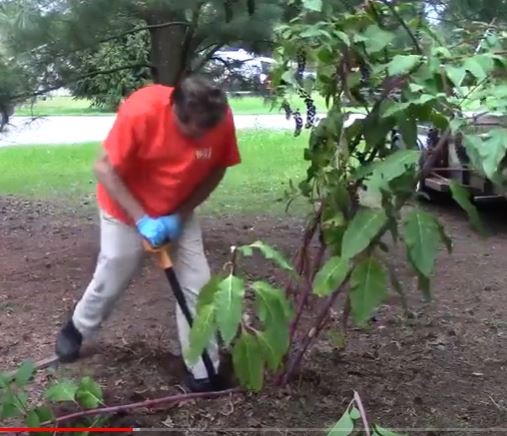
For larger plants, you’ll need the necessary tools to dig deep to get the taproot.
- Use a spade or garden fork to dig a circle around the base of each plant. The hole should be 12 inches in diameter and depth.
- Dig deep to remove the large taproot. Avoid cutting off parts of the root. Keep digging until the entire root is completely removed.
3. Let them dry out under the sun
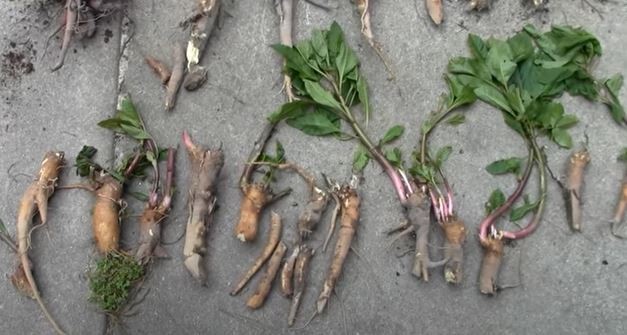
After removing the entire taproot from the ground, don’t just dump it anywhere because its seeds remain viable and new plants might grow in the exact place where you throw them. The next thing to do is to leave it in the sun to dry out and die.
- To sun-dry, place all the pieces of pokeweed on a tarp and let it dry.
- Once it withers and dries, place it in a garbage bag for disposal. Be careful not to leave any berries or seeds behind.
- If you want to use it as compost, make sure the plant is fully dried and has no chance of propagating.
4. Loosen the soil
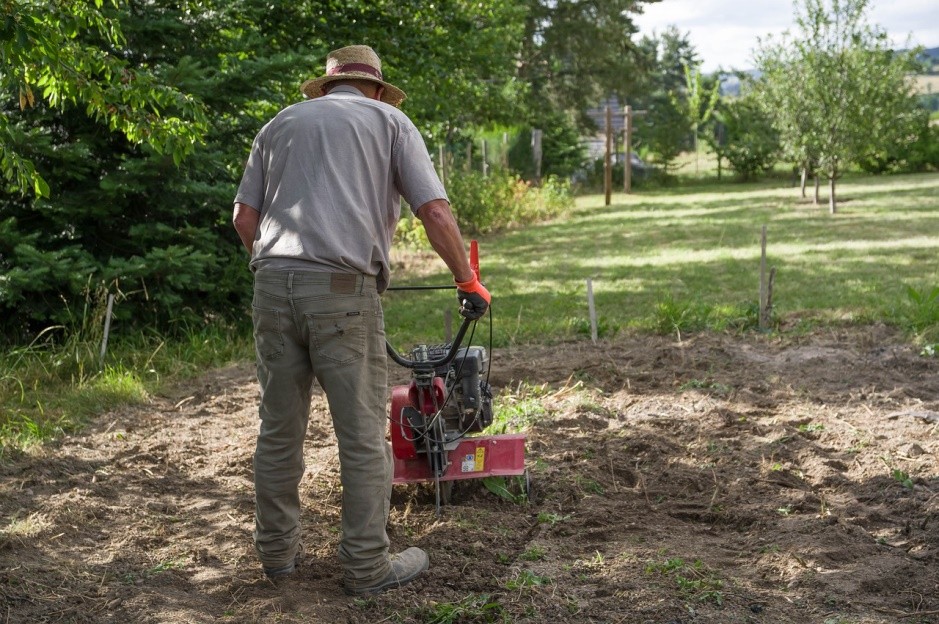
This method is necessary when gathering all the loose root pieces left in the soil.
- Use a rototiller to loosen the soil around the plant after you have removed the taproot of the pokeweed from the ground. A rototiller can dig into the soil to a depth of 12 inches.
- Then, use a shovel or a rake to scrape through the turned-up soil, and look for root pieces.
- To make sure all of the roots and seeds have been removed, use a soil screen to separate loose pieces of root, berries, and plants from the soil.
5. Use a Weed Killer
If after the manual removal of pokeweed and the problem persists, you have the option to use an herbicide to prevent pokeweed infestation on your property. Glyphosate is the most commonly used chemical, but triclopyr and 2 4-D are also recommended for pokeweed control. But like any other chemicals, always use them with caution.
- Apply 2 or 3 percent solution of glyphosate herbicide directly to the leaves and wait for 10 days. This method allows time for the plant to absorb the solution until it reaches the
- After 10 days, you can pull or dig up the plant.
- Monitor the area for new growth and reapply as necessary.
Pro-tip: Chemicals work best when the plant is young, and the best time to treat them is in spring, during the plant’s active growth. In the case of mature pokeweeds, late summer during flowering is the best time to introduce the herbicide into the root system.
Aftercare and Maintenance
Pokeweed is quite stubborn, so frequent monitoring and removal are crucial. A pokeweed plant can produce 50,000 seeds during its lifespan. With a long viability span that lasts for nearly 40 years, there’s a good chance that pokeweed will sprout again. That’s why early intervention is necessary to avoid infestation.
As soon as new shoots appear, pull them out from their roots. Loosen the soil using a shovel, then rake all the remains of the pokeweed and let them dry out under the sun. Lastly, make sure to dispose of them properly after it has been sundried. You need to repeat the process if necessary, but the good thing about regular maintenance is that you will eventually get rid of the pokeweed for good.
Wrapping Up
Pokeweed is a tenacious plant that can grow in disturbed lands. If you happen to have one in your lot, you can get rid of them using any or a combination of the methods that I mentioned. Persistence is the key in removing pokeweeds and keeping them at bay.
I hope this tutorial has provided you with sufficient information to get rid of pokeweed safely for good at home. If you know any tips that I missed, feel free to add comments and suggestions below.
